
A BRITISH nuclear-powered submarine has taken up position in the Arabian Sea, giving the UK the capability to launch long-range strikes should the conflict with Iran escalate further, the Daily Mail reported.
HMS Anson, armed with Tomahawk Block IV cruise missiles and Spearfish torpedoes, left Perth earlier this month and travelled roughly 5,500 miles to reach the region.
The submarine surfaces periodically to communicate with the UK's Permanent Joint Headquarters in Northwood, where any launch order would require authorisation from the prime minister before being conveyed by the chief of joint operations.
The Ministry of Defence did not respond to a request for comment, and Reuters could not immediately verify the report.
The deployment comes amid a sharp escalation in Britain's involvement in the conflict.
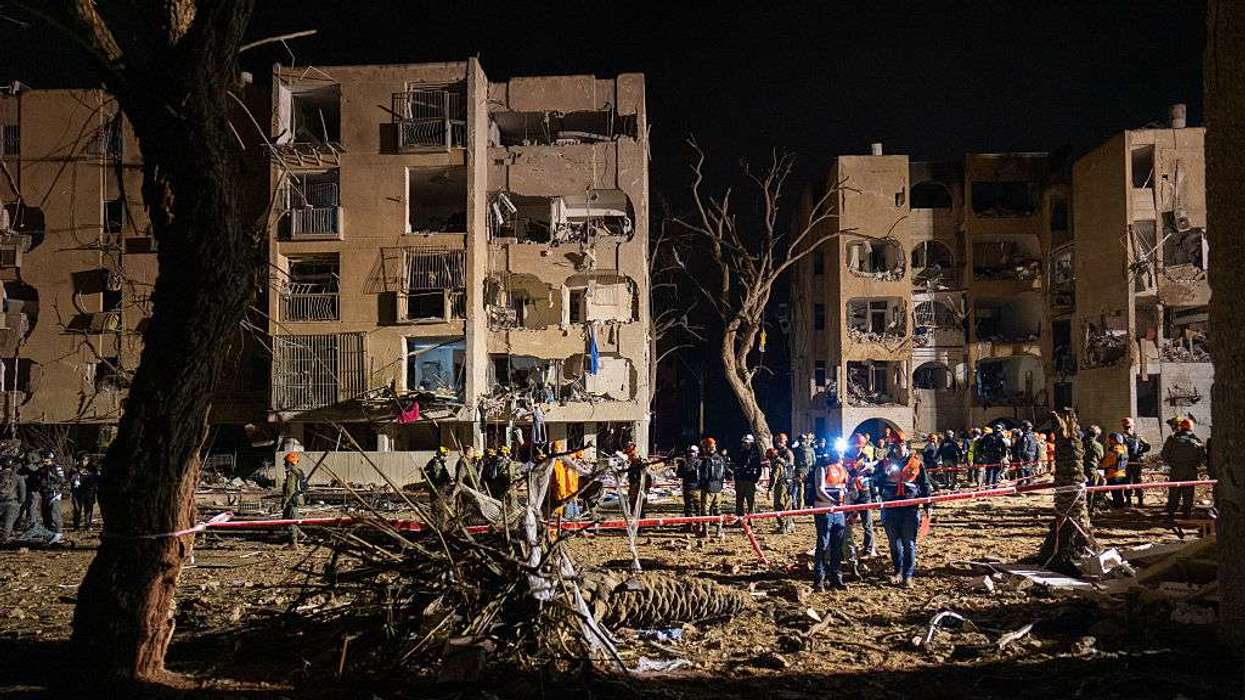
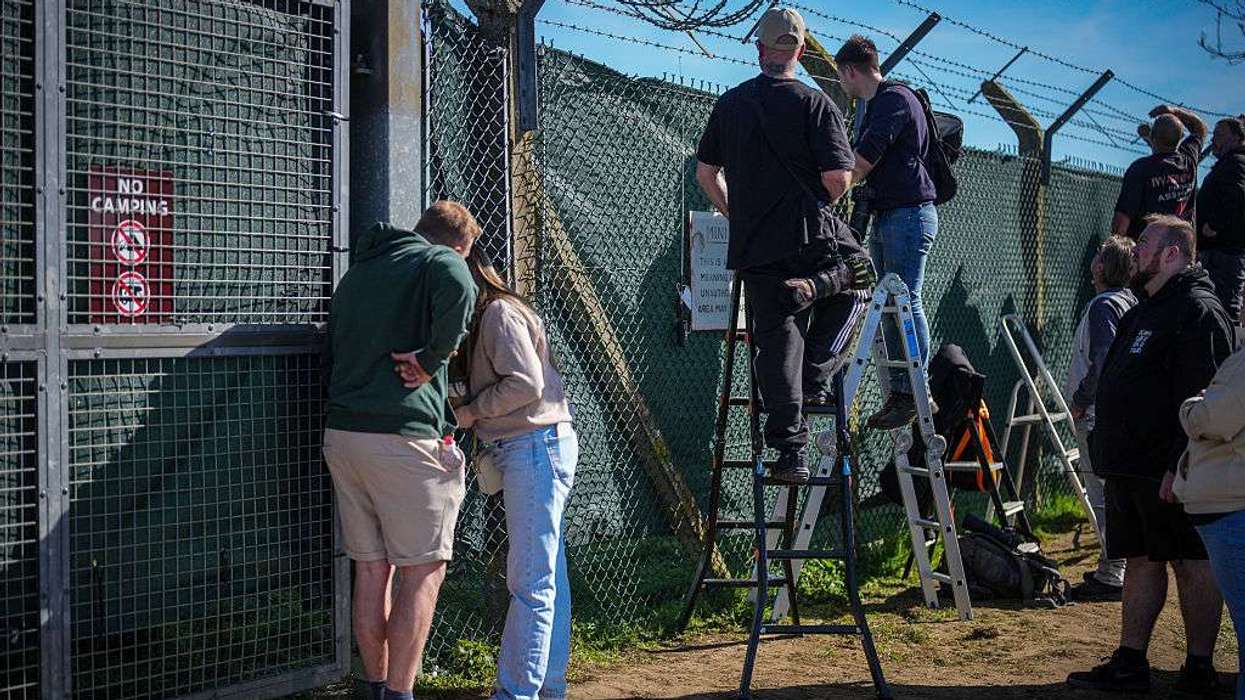
Last Friday (20), Downing Street authorised the US to use two British bases, RAF Fairford in England and the joint UK-US facility at Diego Garcia in the Indian Ocean, for defensive strikes on Iranian missile sites threatening the Strait of Hormuz.
Iran had already tested that resolve. Before Friday's announcement, Tehran launched what Israel's military chief Lieutenant General Eyal Zamir described as "a two-stage intercontinental ballistic missile with a range of 4,000 kilometres" at Diego Garcia, a strike a UK official confirmed was "unsuccessful".
One missile failed in flight; the other was targeted by an interceptor fired from a US warship, though it was unclear whether it was hit, according to the Wall Street Journal.
The attempted strike, if confirmed at that range, would represent the longest-range Iranian missile attack yet.
Zamir warned the development had implications beyond the immediate conflict. "These missiles are not intended to strike Israel. Their range reaches European capitals, Berlin, Paris, and Rome are all within direct threat range," he said in a televised address.
Defence analysts urged caution about reading too much into the launch. Former Royal Navy commander Tom Sharpe told AFP that Iran had "always had missiles of that sort of range that we've known about, maybe not declared."
He said the attack was more significant for demonstrating that Iran could still move mobile launchers undetected, "spin up and fire without being struck."
Ali Vaez, Iran project director at the Crisis Group, agreed the strike was primarily symbolic. "This was less about battlefield utility than strategic messaging — signalling to the United States and Israel that misreading Iran's resolve and capabilities could prove a costly mistake," he said.
Britain has moved to draw clear limits on its involvement. Following a call between prime minister Keir Starmer and Cypriot president Nikos Christodoulides on Saturday (21), Downing Street confirmed that RAF Akrotiri in Cyprus would not be included in the US basing agreement.
The clarification came after an Iranian Shahed drone struck facilities at the Akrotiri base on March 2, causing slight damage.
Foreign secretary Yvette Cooper reiterated that Britain's role remained strictly defensive. "We will provide defensive support against these reckless Iranian threats, but we have not been and we continue not to be involved in offensive action and we want to see the swiftest possible resolution," she told British media. "We will not be drawn into a wider conflict."
Iran's foreign minister Abbas Araghchi had earlier warned Cooper that any use of British bases by the US would be considered "participation in aggression." Cooper, in turn, warned Tehran "against targeting UK bases, territory or interests directly."
(Agencies)