
- Senior UK banking leaders are discussing a domestic card payments network.
- The move is driven by resilience concerns and geopolitical risks.
- The proposed system could be operational by the end of the decade.
Senior executives from some of the UK’s biggest banks are moving ahead with discussions on creating a domestic payments network, in what could become a long-term alternative to Visa and Mastercard. The proposed UK payments network, aimed at strengthening financial resilience, comes amid growing concern about the country’s reliance on US-owned card systems, according to a report by The Guardian.
The initiative is expected to be discussed at a meeting chaired by Barclays UK chief executive Vim Maru, where major financial institutions will reportedly explore setting up a new payments entity designed to keep transactions running if global card networks face disruption. The project has been on the table for several years but appears to be gaining fresh momentum as geopolitical tensions rise.
According to The Guardian, anxieties have been sharpened by recent global political developments and increasingly assertive foreign policy rhetoric from the US, raising questions about the vulnerability of critical financial infrastructure controlled by overseas companies.
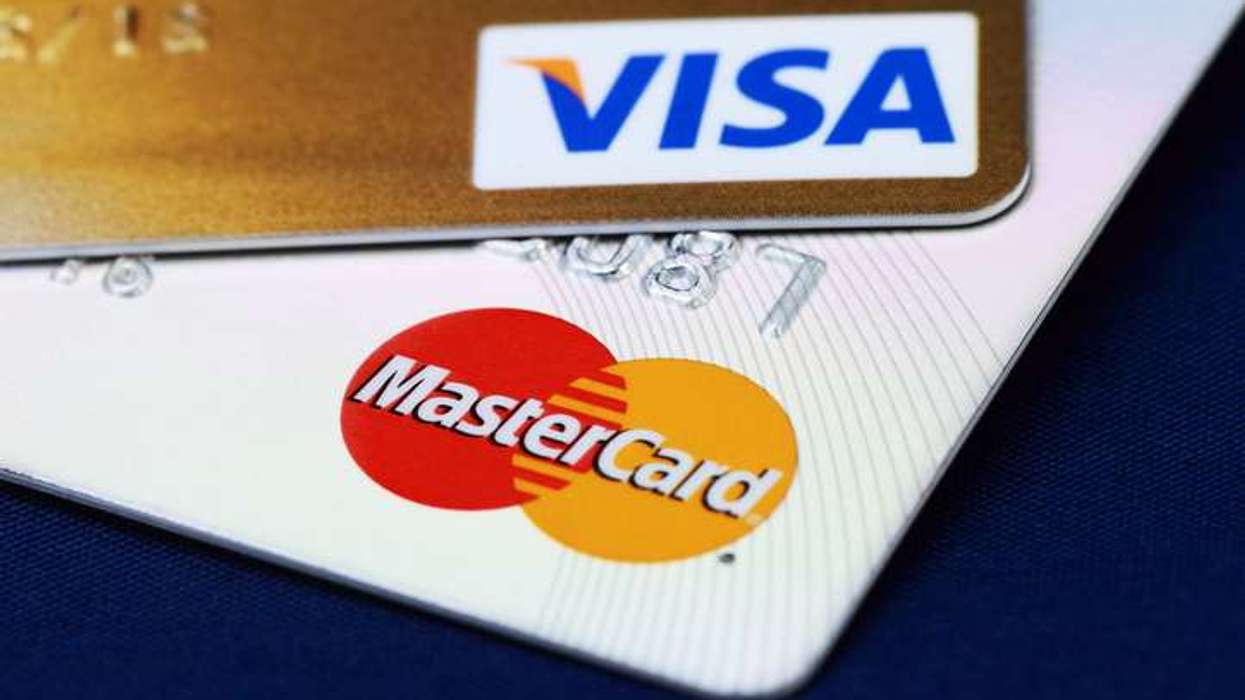
The UK processes the vast majority of its card payments through Visa and Mastercard, the report noted. With cash usage continuing to decline, any disruption to these networks could carry wide economic implications.
Building a safety net for transactions
Industry participants involved in the talks reportedly see the effort less as a political move and more as a safeguard for the financial system. The proposed venture, tentatively called DeliveryCo, would be backed by city institutions and supported by the government, with the Bank of England expected to play a role in shaping the infrastructure framework. The system is reportedly being targeted for launch by the end of the decade.
The UK’s discussions come as several regions reassess payments sovereignty. Policymakers in the European Union have been pushing for stronger homegrown alternatives, while Russia’s experience in 2022 — when international card operators suspended services following sanctions — is often cited as a reminder of the risks tied to foreign-controlled payment rails.
Visa and Mastercard have indicated they remain committed to the UK market and are open to operating in a more competitive payments landscape, according to the report.
The debate also echoes India’s earlier push to build domestic capability. RuPay, launched by the National Payments Corporation of India, was created to reduce reliance on international networks, lower transaction costs and keep payment data within national borders. Over time, it has become widely used across banks and forms a key part of the country’s financial inclusion efforts, operating alongside the Unified Payments Interface, which has reshaped digital payments domestically.
As governments increasingly view payments infrastructure through the lens of economic security, the UK’s plans suggest a broader shift towards balancing global connectivity with domestic control.