
Highlights
- UK companies reported 8 per cent net job losses from AI over past year, highest among Germany, US, Japan and Australia.
- Early-career jobs requiring two to five years' experience most vulnerable to AI-driven cuts in Britain.
- Youth unemployment reaches 13.7 per cent, highest since 2020, as AI disrupts entry-level white-collar roles.
British workers are facing the sharpest job losses from artificial intelligence among major economies, with UK companies cutting positions at double the international average, according to research shared with Bloomberg.
Morgan Stanley's study revealed that British firms reported 8 per cent net job losses due to AI over the past 12 months, the highest level amongst companies surveyed in Germany, the United States, Japan and Australia, where the average stood at 4 per cent.
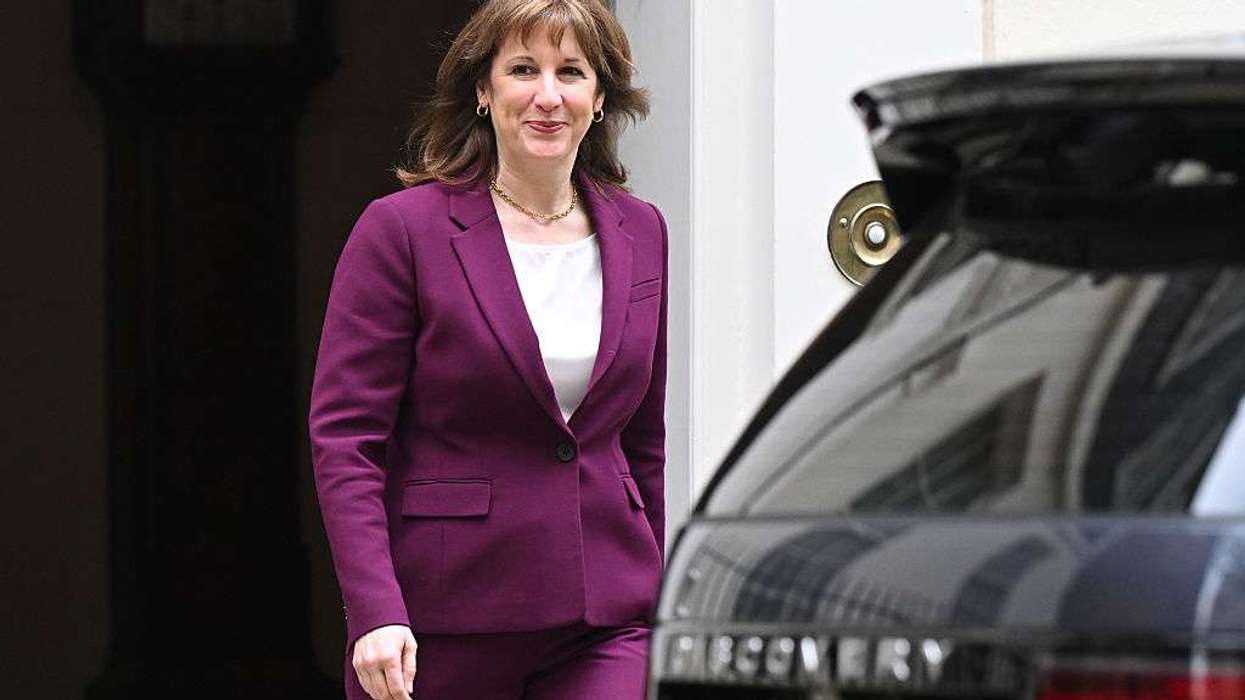
The research, conducted by Rachel Fletcher, London-based head of EMEA Sustainability Research at Morgan Stanley, surveyed companies using AI for at least one year across five industries: consumer staples and retail, real estate, transport, healthcare equipment and automobiles.
While UK companies experienced an average 11.5 per cent productivity increase from AI with nearly half reporting even greater gains their American counterparts achieved virtually identical productivity improvements while creating more jobs than they eliminated.
Fletcher described the findings as an "early warning sign" of how AI is disrupting the labour market, noting the technology's employment impact has "come up in a lot of our recent investor conversations."
The Morgan Stanley report found UK employers cut or refrained from backfilling approximately a quarter of roles due to AI, similar to international peers. However, British firms were significantly less likely to increase hiring as a result of the technology.
Young workers face particular pressure, squeezed between AI disruption of entry-level white-collar positions and tax policies affecting retail and hospitality hiring.
Youth unemployment reached 13.7 per cent in the three months through November, the highest since 2020.The AI revolution arrives as British employers struggle with rising payroll costs, sluggish growth and political uncertainty.
Official statistics show firms are cutting jobs at the fastest pace since 2020, with unemployment at a near five-year high as minimum wage rises and increased national insurance contributions impact staffing plans.