
- Revenue drops 3 per cent in 2025
- Profits slide 61 per cent in final quarter
- EV focus gives way to AI, robotics and robotaxis
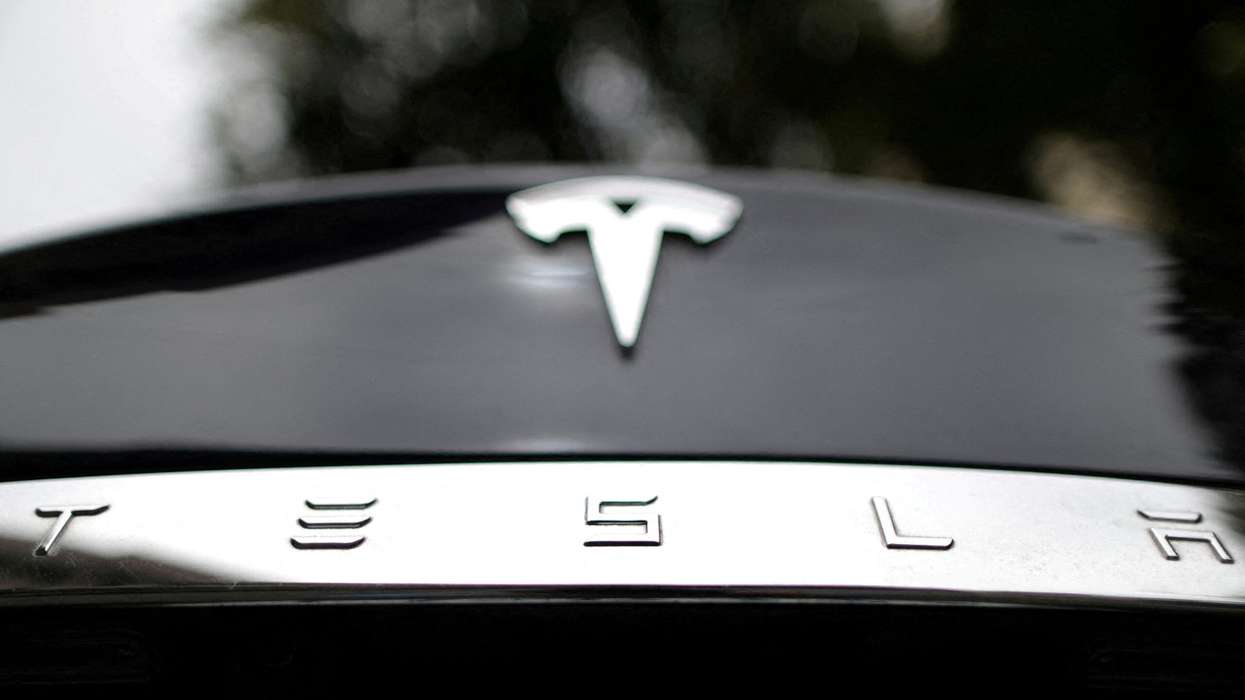
Tesla has reported its first annual drop in revenue, signalling a major shift in direction for the electric vehicle maker as it moves deeper into artificial intelligence and robotics.
The company said total revenue fell 3 per cent in 2025, while profits dropped sharply in the final quarter of the year, down 61 per cent. The figures mark a rare slowdown for a business that once set the pace for the global EV industry.
Alongside the results, Tesla announced it will end production of its Model S and Model X vehicles. The California plant that previously built the two models will now be repurposed to manufacture its humanoid robot, Optimus.
Analysts have pointed out that the Model S and X have been low-volume vehicles for some time, with Tesla increasingly reliant on the Model 3 and Model Y for sales. Jessica Caldwell, head of insights at Edmunds, reportedly said dropping the older models allows Tesla to focus on higher-volume products and newer business bets.
The shift comes as Tesla faces tougher competition. In January, China’s BYD overtook Tesla to become the world’s largest EV manufacturer, underlining how crowded the electric car market has become.
Betting on AI, despite investor unease
Tesla also disclosed a £1.45bn ($2bn) investment in xAI, the artificial intelligence venture founded by Elon Musk. Musk reportedly said the move followed pressure from investors, adding that shareholders had asked Tesla to participate in xAI’s funding round, as quoted in a news report.
The decision appears to cut against the mood of some shareholders. A recent vote on whether Tesla should invest in xAI saw abstentions and votes against outnumber those in favour. Despite that, investors last year approved a record-breaking pay package for Musk, potentially worth nearly £725bn ($1tn), dependent on Tesla dramatically increasing its market value over the next decade.
Tesla is also preparing for a sharp rise in spending. Capital expenditure is expected to climb by around £14.5bn ($20bn), with Musk reportedly describing the coming year as one of heavy investment aimed at building an “epic future”.
Shares rose around 2 per cent in extended trading following the results.
Politics, policy and a changing landscape
The company’s strategic shift is unfolding alongside Musk’s growing involvement in politics, including a prominent cost-cutting role in the administration of US President Donald Trump. His political positions have sparked protests at Tesla dealerships in several countries, with critics arguing they have alienated parts of the brand’s customer base.
At the same time, Trump has rescinded some US government subsidies for non-fossil-fuel vehicles, a move that could further reshape the EV market.
Tesla is now also pushing harder into robotaxis and other automated technologies, even as analysts suggest its electric vehicle line-up is starting to look dated.
Whether the pivot to AI and robotics will offset slowing car sales remains uncertain. For now, Tesla’s results point to a company in transition, moving away from the business that once defined it.