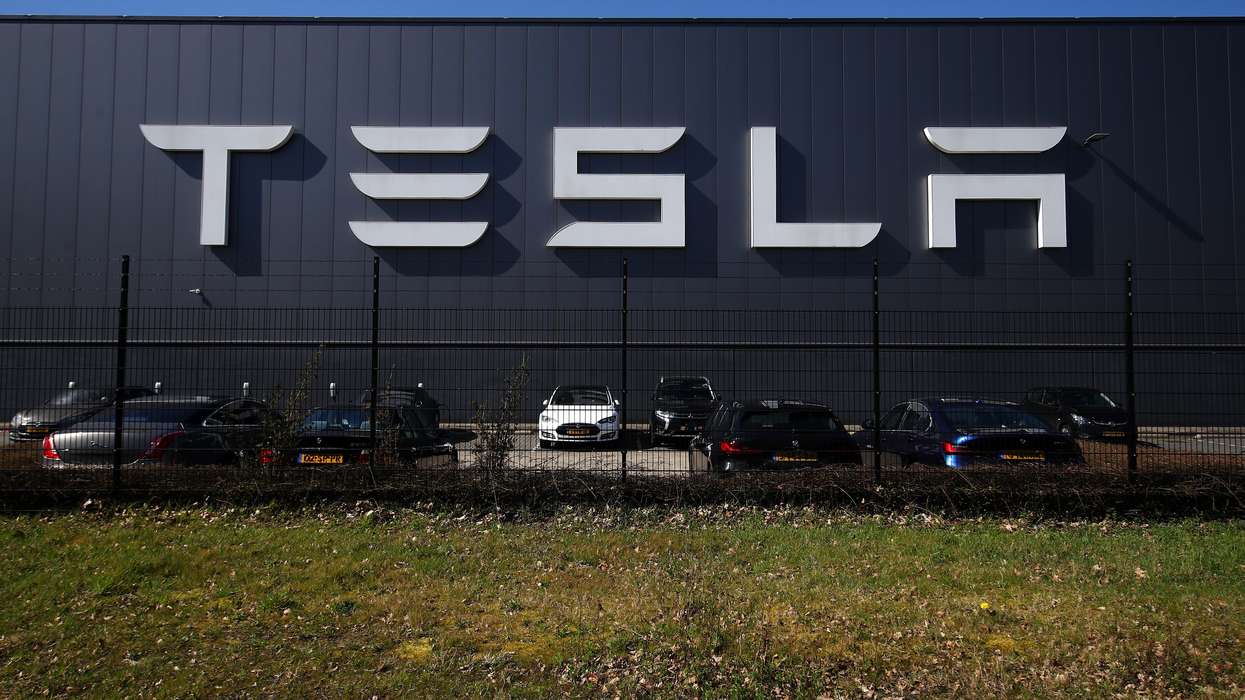

- Tesla has received an electricity supply licence from Ofgem.
- The company can now sell electricity to homes and businesses across Great Britain.
- The move comes as Tesla’s car sales face pressure in the UK and Europe.
Tesla has been granted permission to supply electricity to households and businesses across Great Britain, marking a new step in the company’s push into the energy sector.
The UK energy regulator Ofgem has formally issued the electric carmaker an electricity supply licence, allowing the company to provide power to customers in England, Scotland and Wales.
The move suggests Tesla may attempt to replicate the model it already operates in parts of the US. In Texas, the company runs a retail electricity service known as Tesla Electric, which promotes low-cost electricity aimed at powering homes, electric vehicles and wider energy networks.
In Britain, Tesla’s licence allows it to sell electricity to homes and businesses, though it cannot offer combined gas and electricity tariffs. Customers would still need a separate agreement with another supplier for gas services.
Batteries and “virtual power plants”
Tesla’s wider energy ambitions appear tied closely to its battery technology.
In Texas, the company runs a so-called virtual power plant, where Tesla owners can charge their vehicles when electricity is cheaper and then sell excess power stored in Powerwall home batteries back to the grid.
A similar concept already exists in Britain, though currently through a partnership with Octopus Energy, which offers a virtual power plant programme for Powerwall users.
Tesla has not disclosed how many Powerwall batteries it has sold in the UK, although the company has delivered more than 250,000 electric vehicles in the country.
Industry observers suggest the electricity licence could allow Tesla to play a larger role in Britain’s evolving energy market, particularly as home battery systems and smart electricity trading become more common.
Car sales slump adds pressure
The expansion into energy also comes at a time when Tesla’s vehicle sales in the UK and Europe have weakened.
Figures from the Society of Motor Manufacturers and Traders show Tesla’s UK sales fell 37 per cent, dropping from 3,852 vehicles to 2,422 in February compared with the same period a year earlier.
The company’s share of the UK car market currently stands at 1.34 per cent for the year to date. That places it behind Chinese rival BYD, which holds 2.64 per cent, and BMW, which accounts for 5.43 per cent.
Several factors appear to be affecting demand, including rising competition in the electric vehicle market and wider controversy surrounding Tesla chief executive Elon Musk.
Some analysts have linked declining sales to consumer reactions to Musk’s political interventions, including his support for Donald Trump and his brief involvement in the US administration’s so-called Department of Government Efficiency.
Tesla has also faced criticism following Musk’s comments on European politics and his support for Germany’s far-right AfD party.
In an attempt to revive demand, the company introduced a lower-priced version of the Model 3 in Europe in December, which Musk previously suggested could attract a wider group of buyers.
For now, the new electricity licence signals that Tesla may be looking beyond cars as it continues to expand its presence in the global energy market.