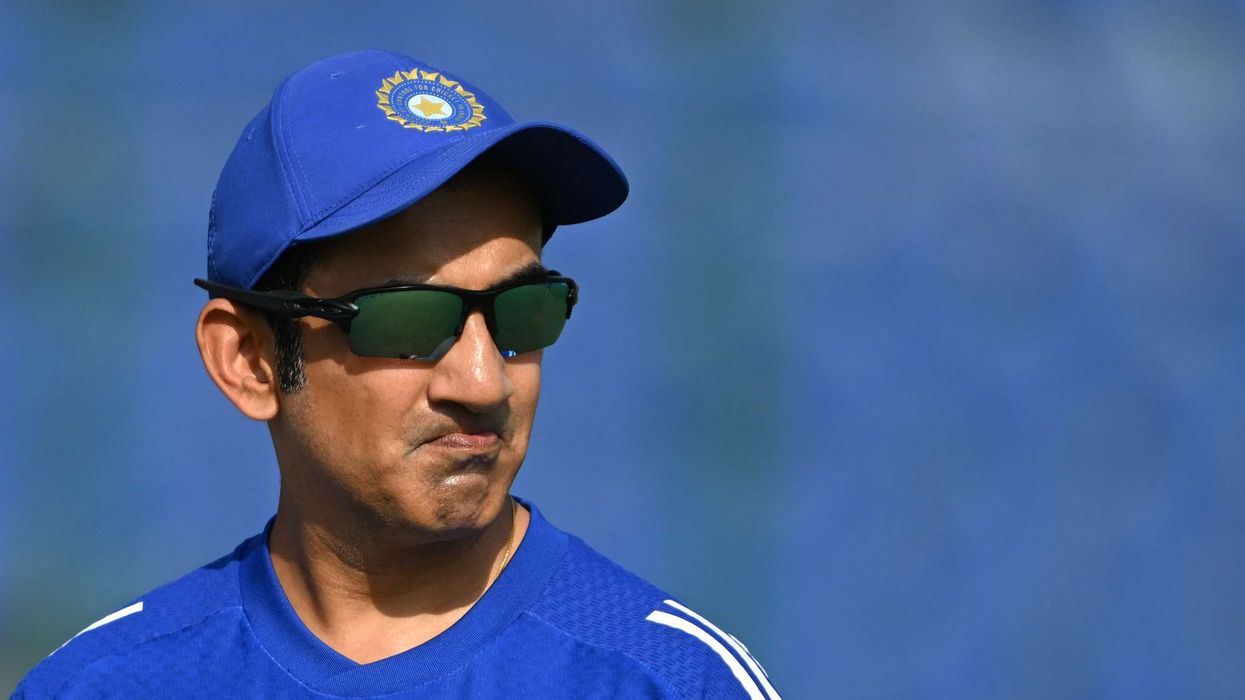

TV STAR SSUDEEP SAHIR DISCUSSES HIS CAREER, RECENT HIT SHOW AND FUTURE HOPES
Popular actor Ssudeep Sahir has been delighting fans of Indian television ever since he made a winning debut in teen drama Kyun Hota Hai Pyarrr in 2003.
An interesting 19-year career since then has seen him enthralling audiences in multiple hit serials that have included Jabb Love Hua, Main Lakshmi Tere Aangan Ki, Woh Apna Sa, Paramavatar Shri Krishna and the recently concluded comedy-drama Tera Yaar Hoon Main, which ran for 378 episodes.
Eastern Eye caught up with the small-screen star to discuss his interesting journey, terrific turn in Tera Yaar Hoon Main and future hopes.
What connected you to acting?
I got into this profession by chance and never had any dreams of becoming an actor. I didn’t have any formal training. The set was my school. Initially, I had no clue what I was doing, but once I began getting better, I started loving it and wanted to learn more, and more. In fact, I remember the first time I was applauded for a scene by my director in Kyun Hota Hai Pyarrr for Star Plus in 2003. I couldn’t forget that feeling and the love I got there. I knew I was in the right place.
How do you look back on your journey as an actor?
It’s been a very fruitful journey, which I’m extremely grateful for. I feel really lucky and fortunate for the work that has come my way, and still is.
Which of your roles is closest to your heart?
Every role that I’ve played, whether a doctor in Ayushmaan, a village boy in Jabb Love Hua or a love-struck guy in Main Lakshmi Tere Aangan Ki to Woh Apna Sa and Rajeev Bansal in Tera Yaar Hoon Main, I’ve loved every character. And I portrayed each part with my heart and soul.
You have acted in a variety of genres, but which do you feel most comfortable in?
I’ve been fortunate that I got to play very different characters in all my shows. Initially, all the characters were challenging, and I eventually eased into them. That’s what I love about the process. So, I would say I’m comfortable in playing all the parts I have till now. It just has to have a soul.
Which character challenged you most?
Rajeev Bansal challenged me most because it required a lot of transformation as I am nothing like him. I really worked hard to create his mannerisms, and the way he would talk, etc. I loved every bit of it.
How was your experience of working on Tera Yaar Hoon Main like?
It was fabulous. I think Shashi-Sumeet is one of the best production houses in the industry today. Both of them (Shashi and Sumeet Hukamchand Mittal) are very honest, dedicated and work together as a great unit. They are lovely people to work with. We had the best team in Tera Yaar Hoon Main and that’s what makes a great show.
Is there any one moment from the Tera Yaar Hoon Main journey that was the most special for you?
There was a scene in the 10th episode when Rajeev Bansal has a realisation – that all this while he’s been pushing away his child and decides that from here on he would be a friend to his son. It was a very simple scene, written beautifully. That scene gave me goosebumps. I think that scene is easily in my top three.
What is the plan going forward?
Well, the plan is to do something different from what I’ve done till now. Something challenging and something that keeps me thinking at night.
Do you have any characters or dream roles you want to play?
No, I don’t really have a dream role, but yes, looking at good content that’s coming up, it definitely inspires me. Lately, I saw a show called Panchayat and thought it was just fabulous. It was well written, executed brilliantly and had amazing performances. I think Jitendra (Kumar) is such an honest performer. It’s a delight to watch him.
What else do you enjoy watching as an audience and have you binge watched anything recently?
Apart from Panchayat, I saw this show called Ghar Wapsi on Hotstar. I was blown away. It’s such a beautiful and simple show, and so well written, executed and performed. That’s the kind of stuff that will work because it has a soul and is relatable.
What is the best advice you ever got?
I was once told what’s good for me will always come to me. And I firmly believe in that.
If you could master something new, what would it be?
I guess playing a guitar or drums. I would love to play a musical instrument.
What inspires you as an actor?
I love my work and very rarely people get to do what they love. I’m extremely grateful for that. The love I’ve got over the years from people all over the world inspires me every day, to keep going on and doing what I love to do.

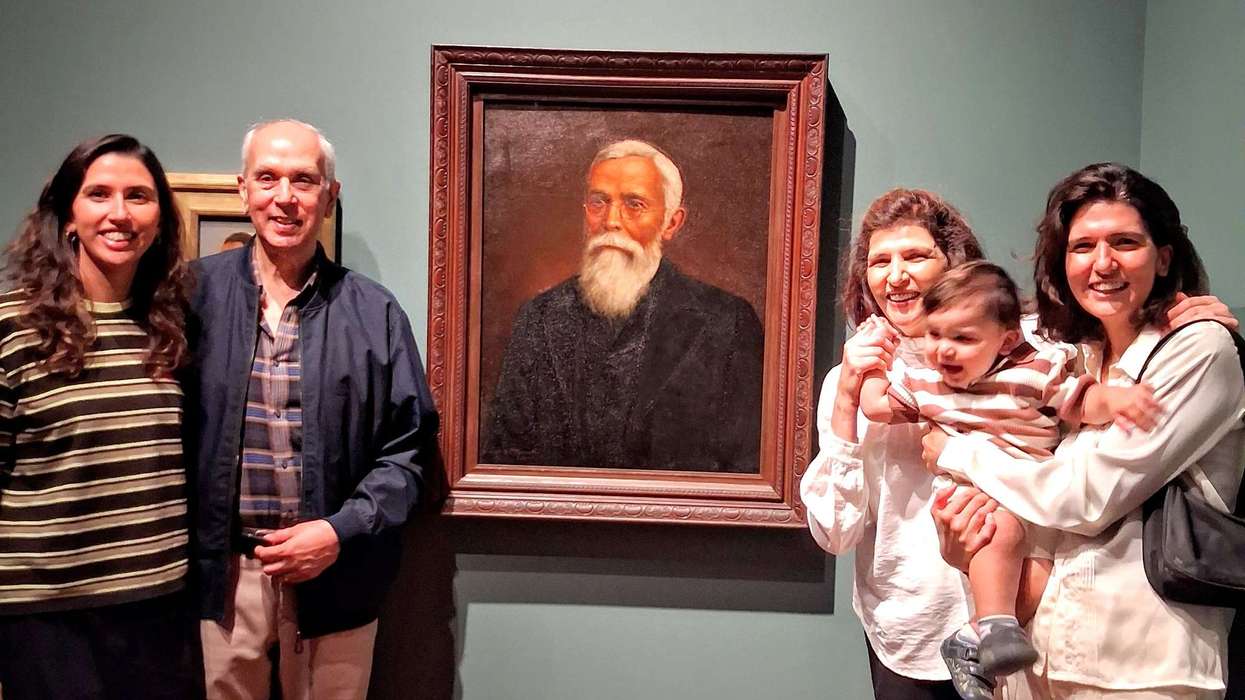
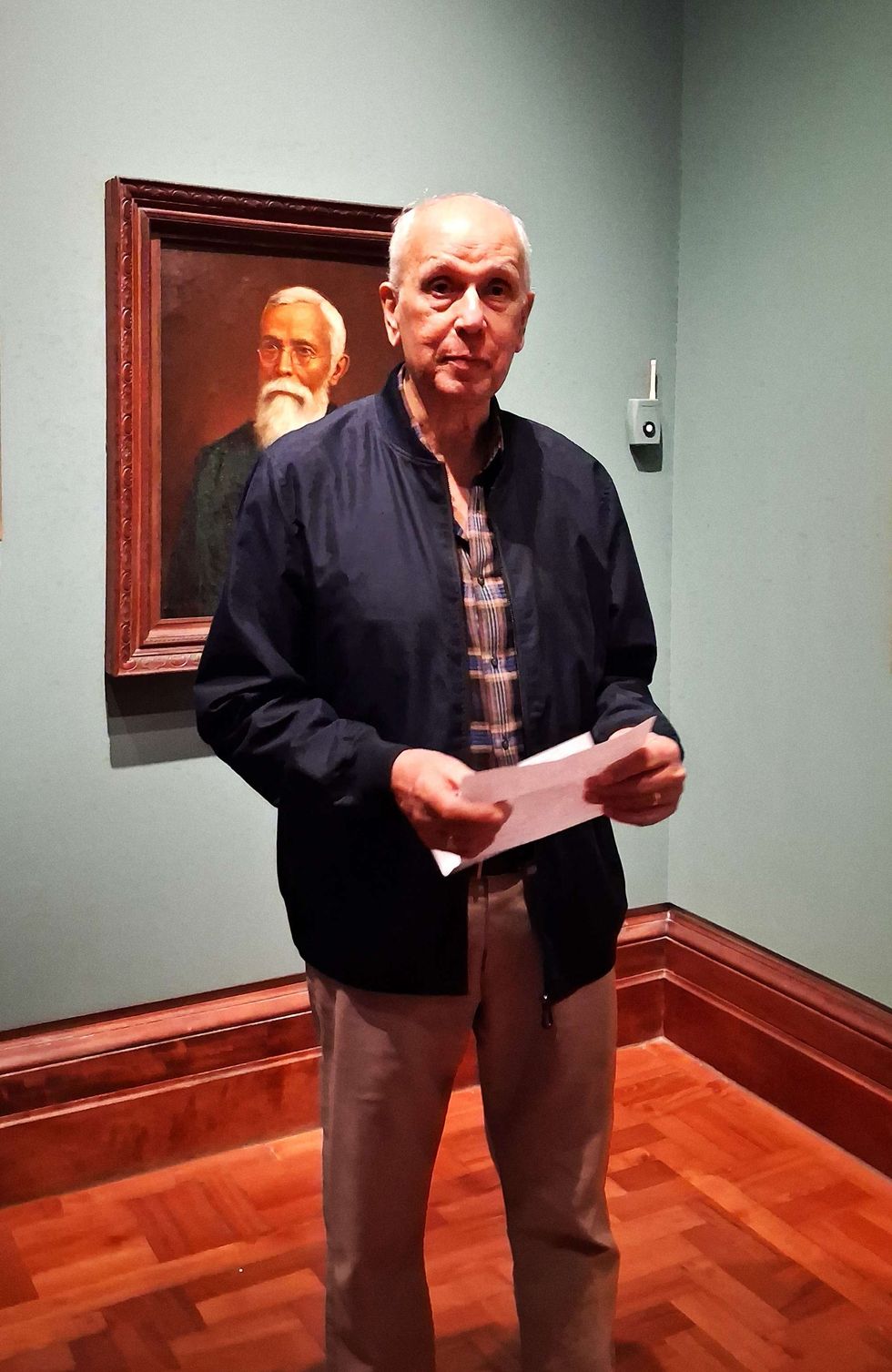
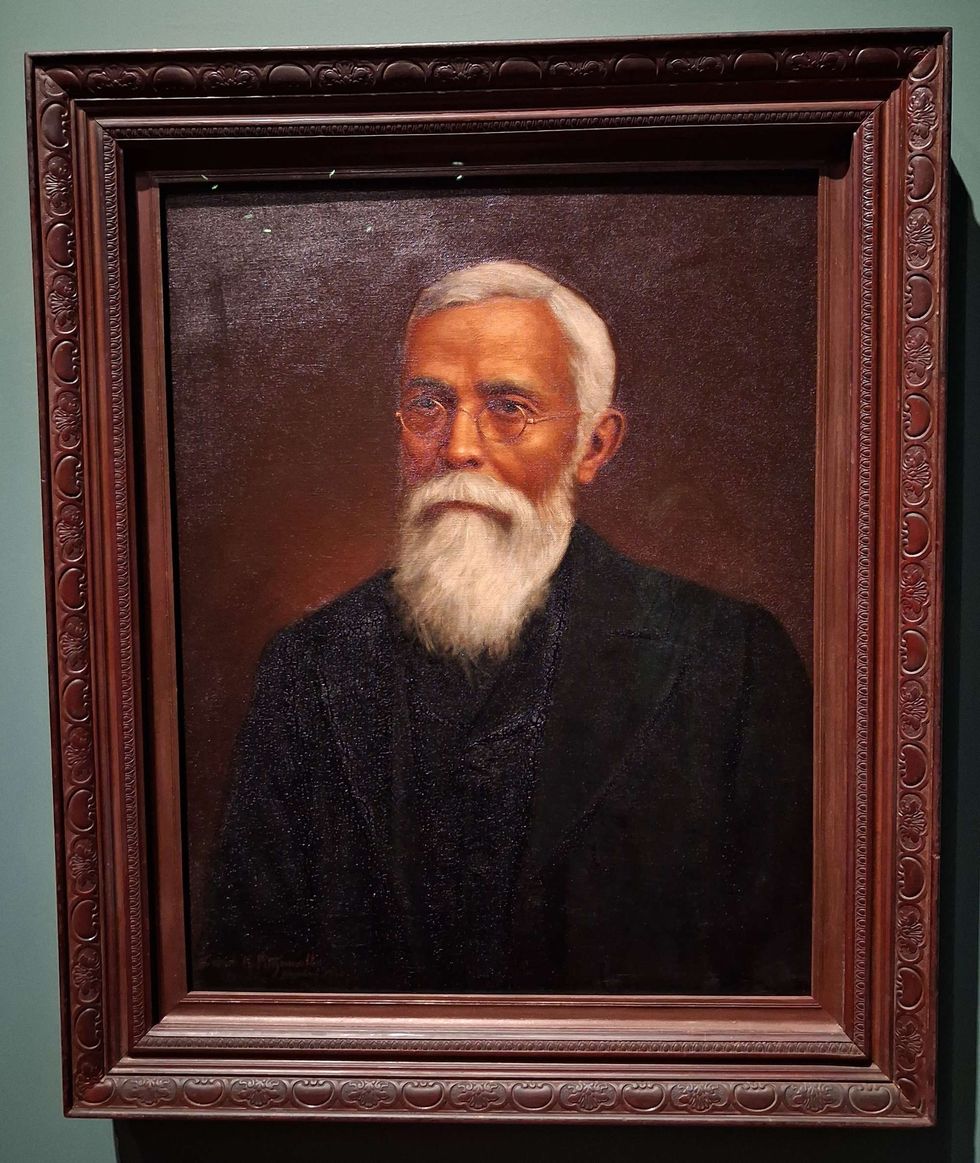 Restored portrait of Dadabhai Naoroji Amit Roy
  Yadgar Marker Amit Roy
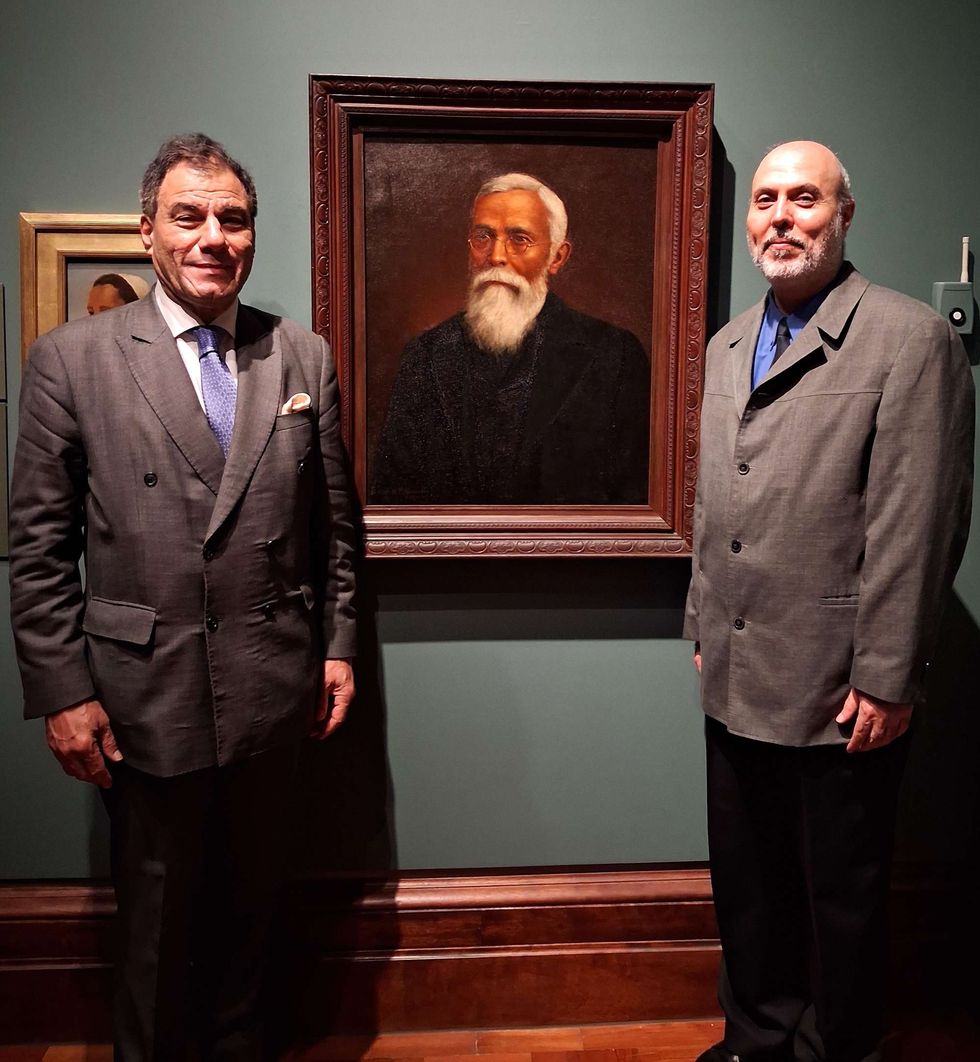 Lord Karan Bilimoria (left) and Malcolm Deboo Amit Roy
 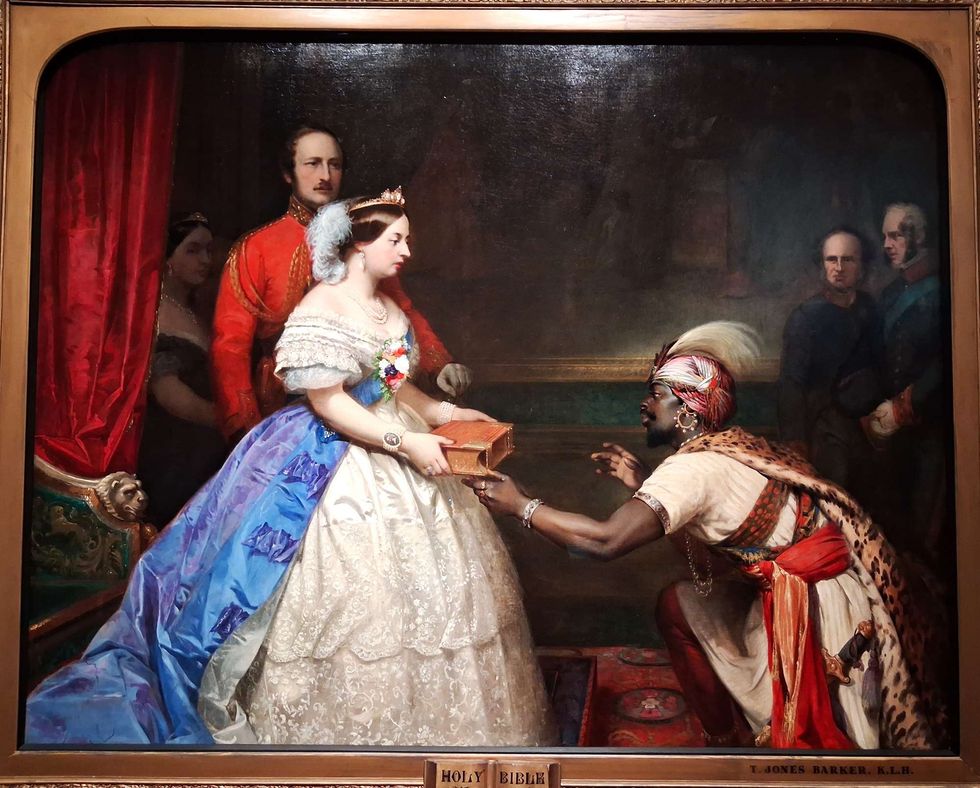 The Secret of England's Greatness. Queen Victoria presenting a Bible in the Audience Chamber at Windsor. By Thomas Jones Barker Amit Roy
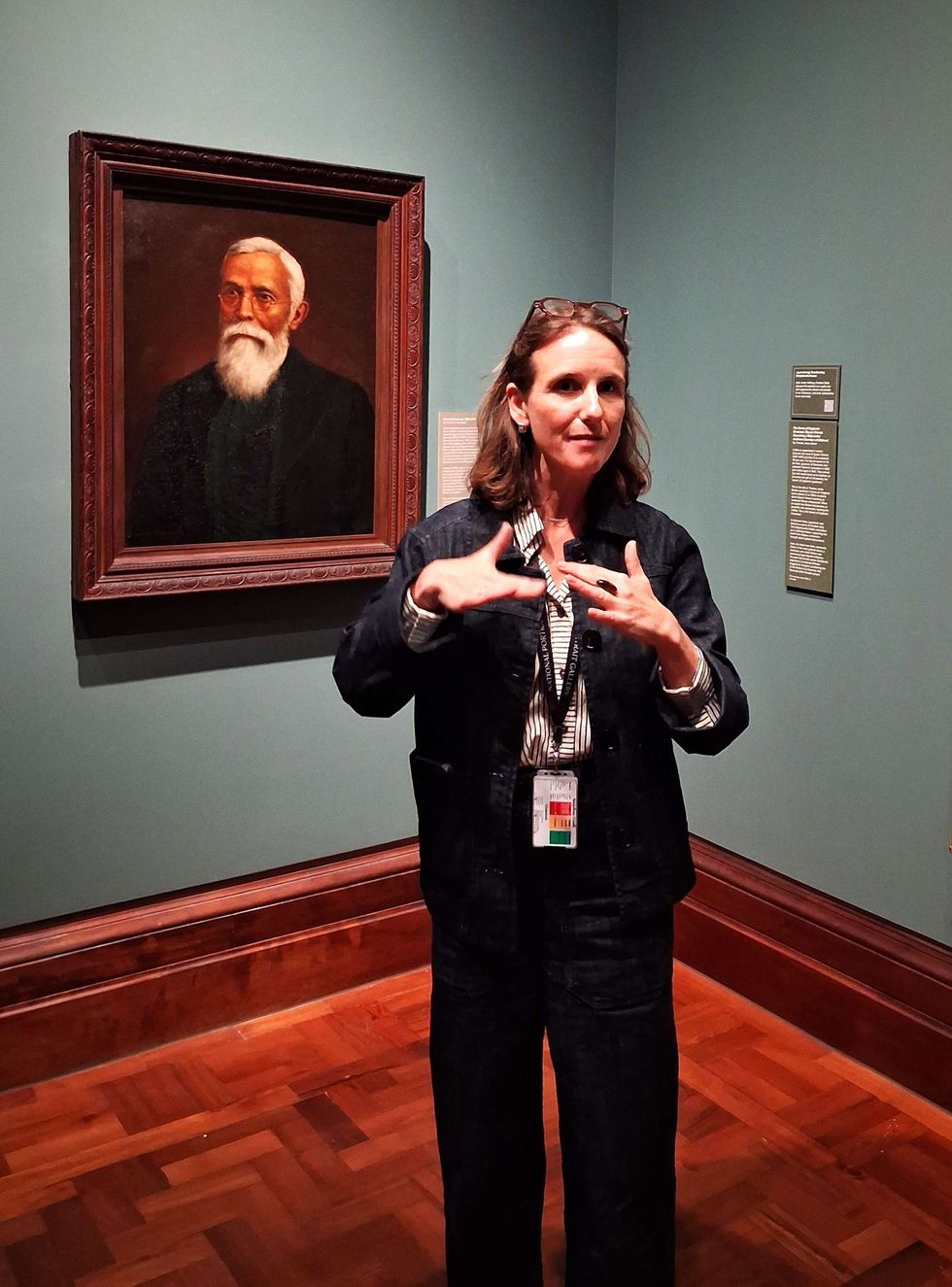 Sarah Moulden Amit Roy
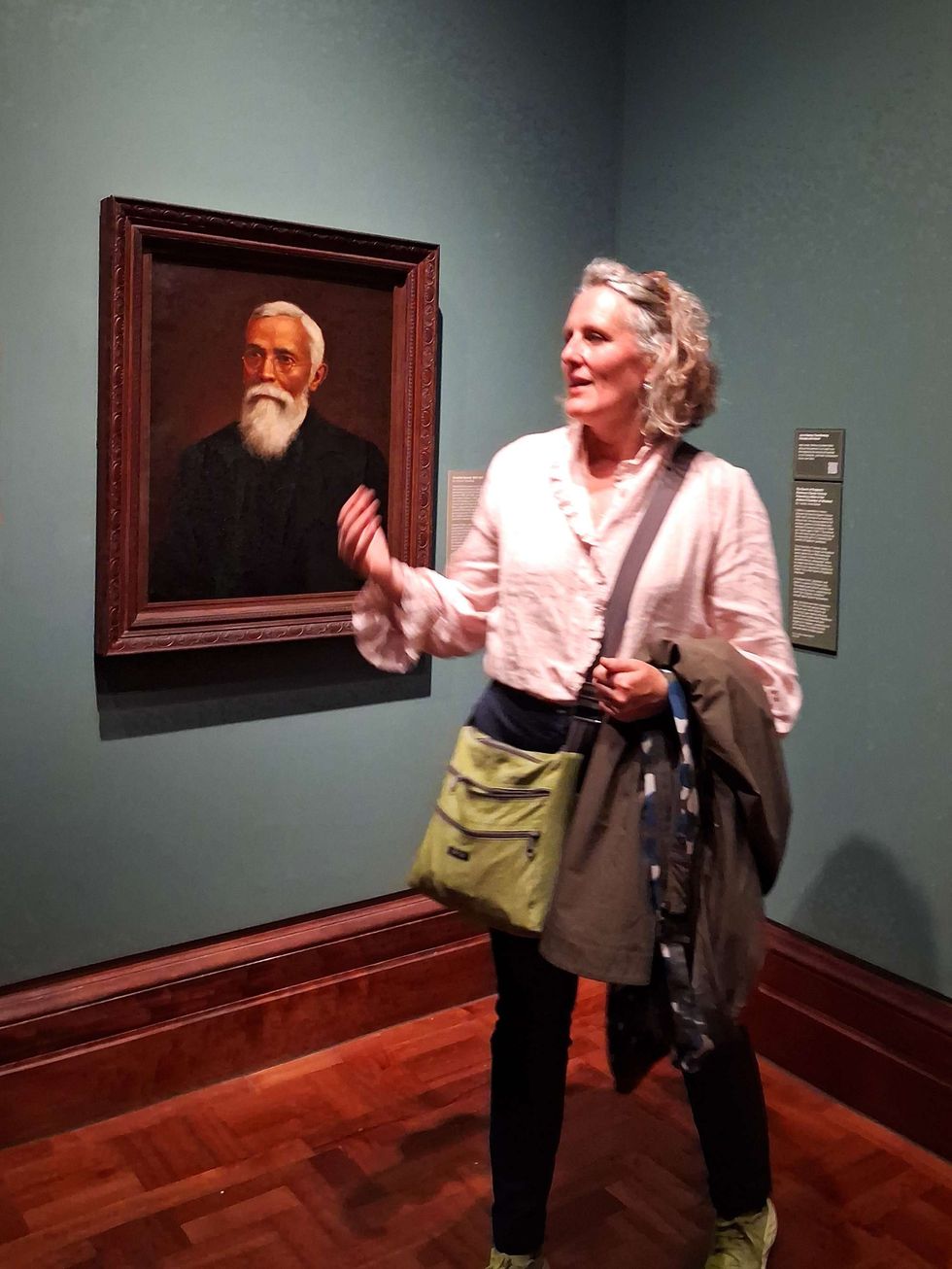 Pippa Balch Amit Roy
 Ursula Griffths Amit Roy