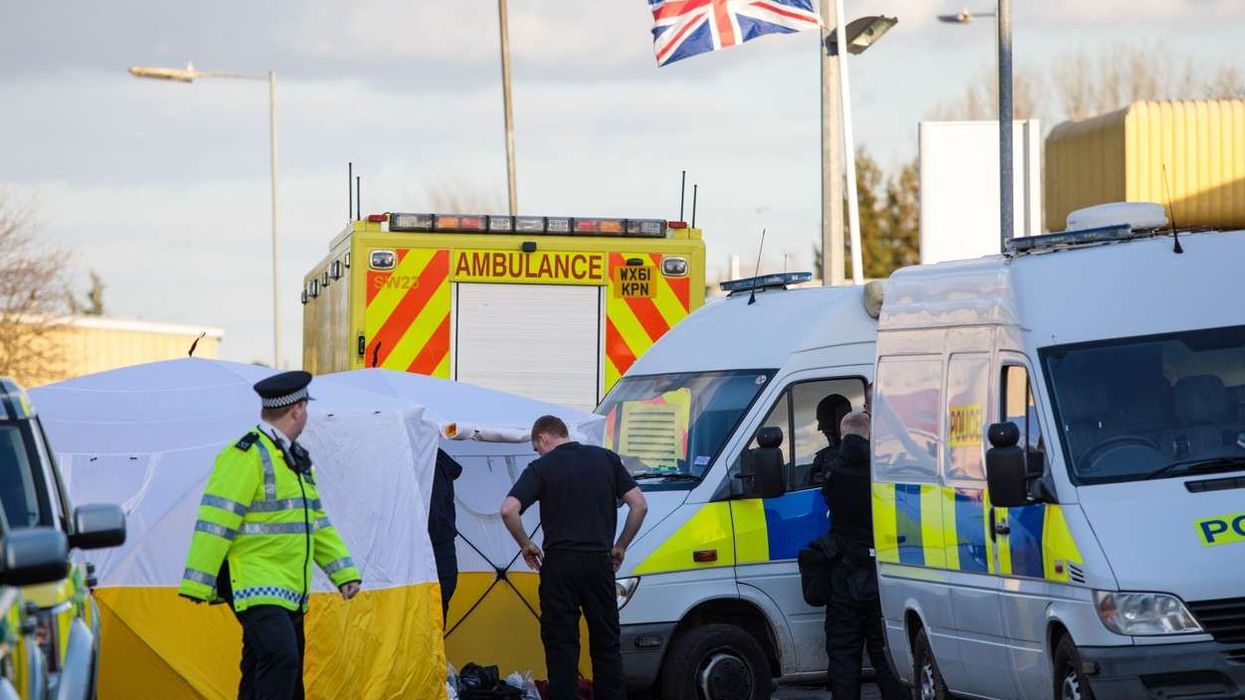

THE UK on Thursday announced sanctions on Russia, including the entire GRU military intelligence agency, after a public inquiry linked it to the 2018 Novichok poisoning that resulted in the death of Dawn Sturgess.
The government also summoned the Russian ambassador to seek a response to the inquiry’s findings and what it described as Moscow’s “ongoing campaign of hostile activity” against UK.
The inquiry found that Russian President Vladimir Putin must have ordered the nerve agent attack carried out by GRU operatives on Russian double agent Sergei Skripal in 2018. The incident later led to the death of Sturgess.
"Today's findings are a grave reminder of the Kremlin’s disregard for innocent lives," prime minister Keir Starmer said in the government’s statement.
Britain has been one of Kyiv's strongest supporters since Russia’s 2022 invasion of Ukraine and has imposed sanctions on Russian business figures, political leaders, companies and ships.
Following Thursday's inquiry report, the UK sanctioned the GRU in full and eight cyber military intelligence officers.
Three other GRU officers who Britain said were involved in hostile activity in Ukraine and across Europe, including planning an attack on Ukrainian supermarkets, were also sanctioned.
Russia has repeatedly denied involvement in the Salisbury poisoning and rejected the latest sanctions.
"The Russian side does not recognise the illegitimate sanctions imposed under trumped-up pretexts in circumvention of the U.N. Security Council, and reserves the right to retaliatory measures," the state news agency RIA quoted Foreign Ministry spokeswoman Maria Zakharova as saying.
"The British can be confident in the inevitability of such measures."