
- Rolls-Royce drops firm 2030 all-electric deadline.
- Weak demand for luxury EVs cited as key factor.
- V12 engines to remain part of future line-up.
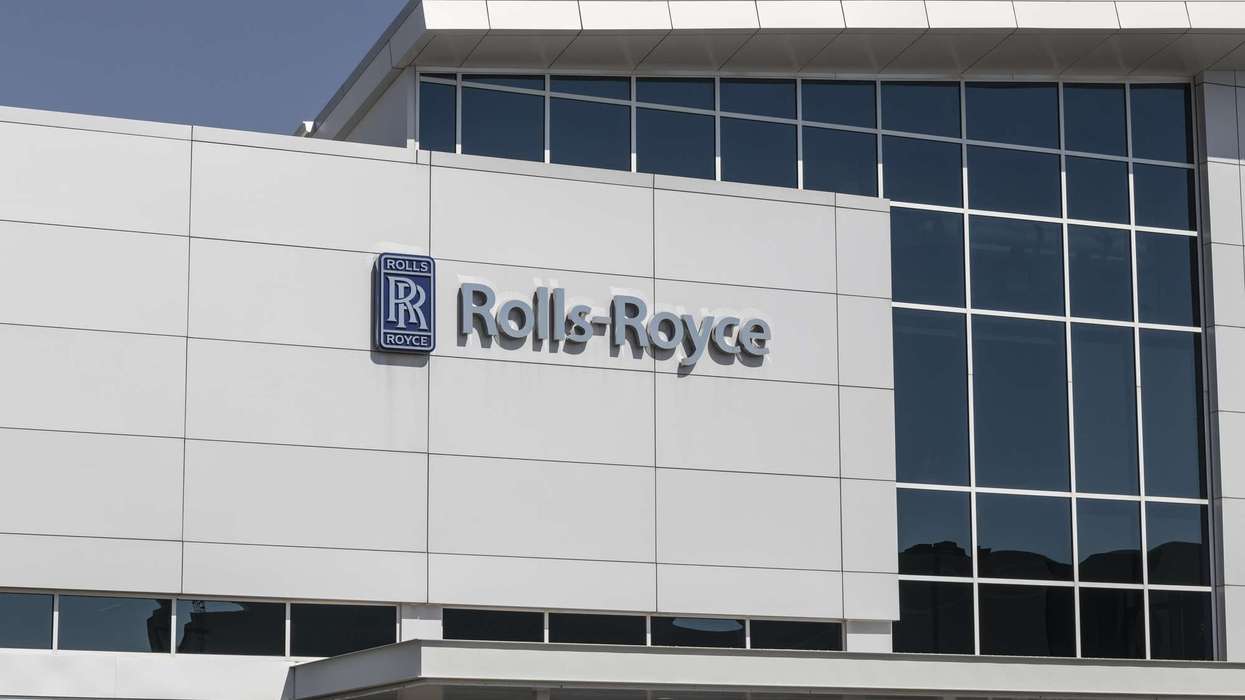
Rolls-Royce Motor Cars has stepped back from its plan to become a fully electric brand by 2030, signalling a shift in its electric vehicle strategy as demand at the top end of the market appears less certain.
The luxury carmaker had earlier committed to phasing out its V12 engines by the end of the decade, positioning its first electric model, Spectre, as the start of a rapid transition. That roadmap now seems to have been reconsidered, with the company moving towards a more flexible approach based on customer demand.
Chief executive Chris Brownridge indicated that the assumptions behind the earlier strategy no longer fully hold, pointing to a mixed response from buyers and changing market conditions.
Luxury buyers not fully sold on electric
Brownridge reportedly said that customer preferences remain divided when it comes to electric vehicles. “For every client that loves an electric vehicle there is one who does not,” he said, as quoted in a news report, suggesting that demand for traditional engines continues to hold firm among Rolls-Royce buyers.
He added that the company would continue to build what customers order, rather than push a fixed transition timeline. That shift appears to place greater weight on buyer sentiment, particularly in a segment where heritage and driving experience often influence decisions.
The earlier plan had targeted electric vehicles making up 20 per cent of sales in the near term and up to 70 per cent by 2028, before a full transition by 2030. No revised targets have been confirmed so far.
A wider rethink across luxury carmakers
The move reflects a broader trend across the luxury automotive sector, where electrification is proving less predictable than initially expected. While mainstream carmakers continue to push towards electric vehicles, high-end brands appear to be taking a more cautious, demand-led approach.
Brownridge reportedly did not outline a new timeline for electrification or disclose sales figures for the Spectre, which has been closely watched as a test of demand in the ultra-luxury segment.
At the same time, the company confirmed that its V12 engine will remain part of its offering. Brownridge described it as central to the brand’s history, as quoted in a news report, indicating that legacy continues to play a role in future planning.
The shift comes alongside similar signals from elsewhere in the sector. Bentley has also delayed its transition to a fully electric line-up, pushing back the launch of its first zero-emission model.
Together, these developments suggest a growing gap between policy timelines and market demand. Governments continue to push for a phase-out of petrol and diesel vehicles in the 2030s, but manufacturers appear to be adjusting plans as customer behaviour evolves.
For Rolls-Royce, electrification remains part of the long-term strategy. However, the pace of change now seems likely to depend less on fixed deadlines and more on how buyers respond in the years ahead.