
Highlights:
- Rick Davies, co-founder of Supertramp, has died at 81 after a long battle with cancer
- The British musician wrote and sang classics including Goodbye Stranger and Bloody Well Right
- Davies kept the band alive after Roger Hodgson’s departure in 1983 and toured until 2022
- His music, especially Breakfast in America, continues to inspire generations worldwide
Rick Davies' death has left a profound mark on the music world, as fans remember the Supertramp co-founder who turned a progressive rock outfit into one of the most successful British bands of the late 1970s. Alongside partner Roger Hodgson, he penned songs that defined an era, while his unique keyboard style helped shape rock history. Beyond his artistry, Davies’ determination kept Supertramp going long after internal disputes and creative differences split the group.
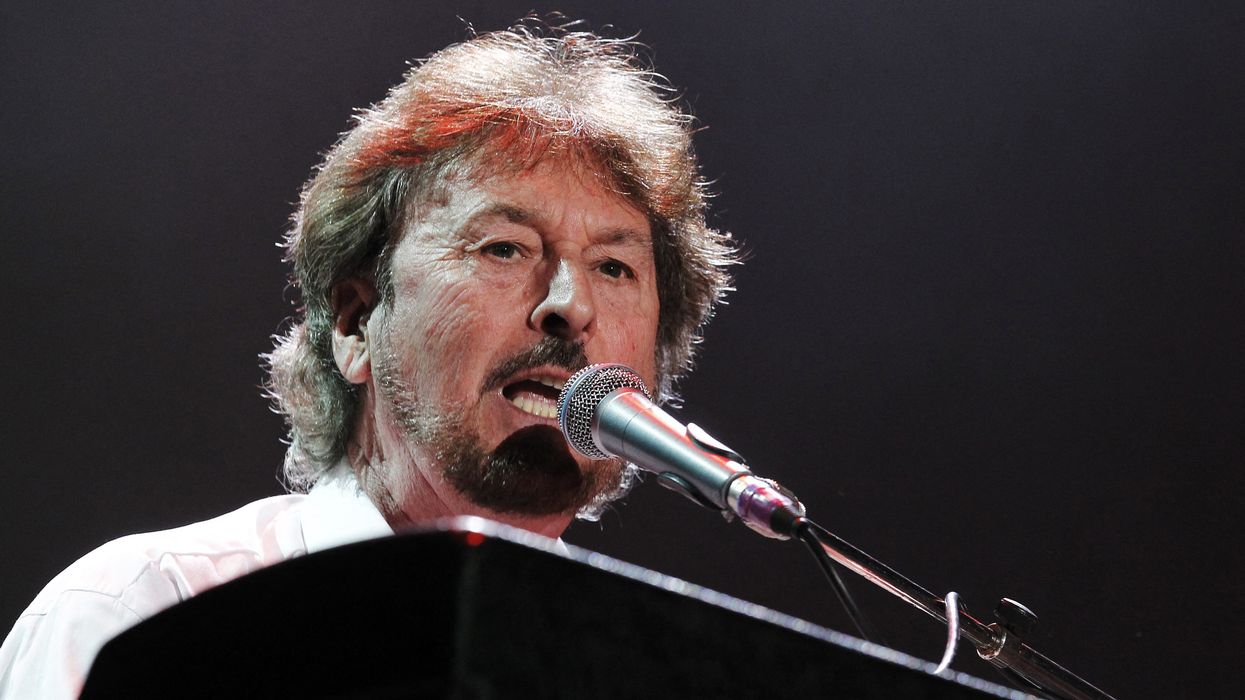
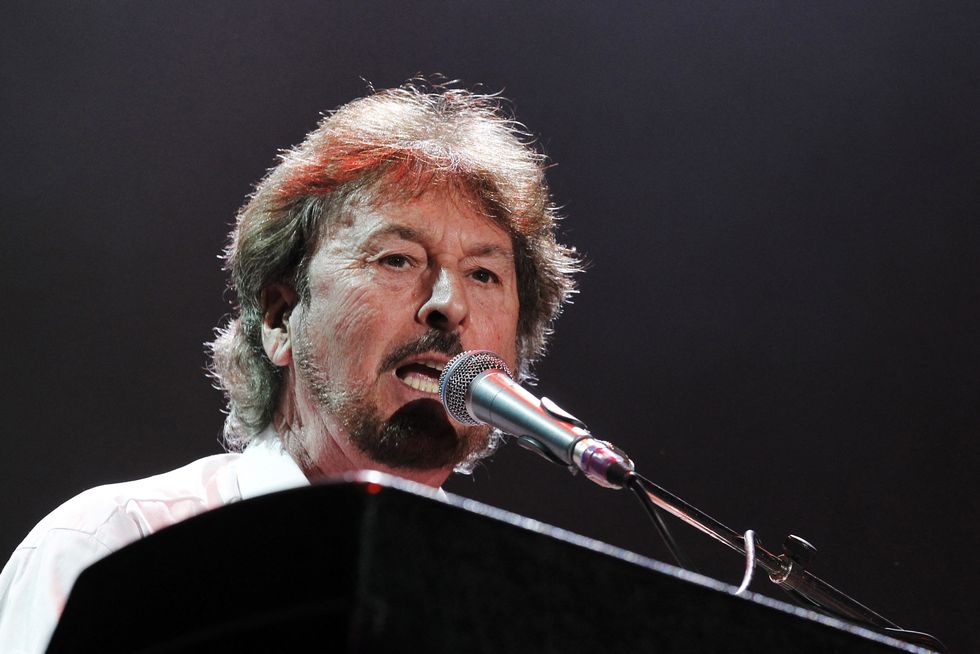 Rick Davies, British rock legend of Supertramp, dies at 81 Getty Images
Who was Rick Davies in Supertramp?
Born in Swindon, England in 1944, Rick Davies developed an early fascination with jazz and blues before moving into rock. In 1969, he placed an advert to form a new band, eventually bringing in Roger Hodgson. Together, they rebranded as Supertramp in January 1970.
While Hodgson’s higher-pitched vocals carried The Logical Song and Give a Little Bit, Davies’ deeper tones became the backbone of tracks like Bloody Well Right, Rudy and Goodbye Stranger. His mastery of the Wurlitzer electric piano gave Supertramp its signature sound, combining pop hooks with progressive structures.
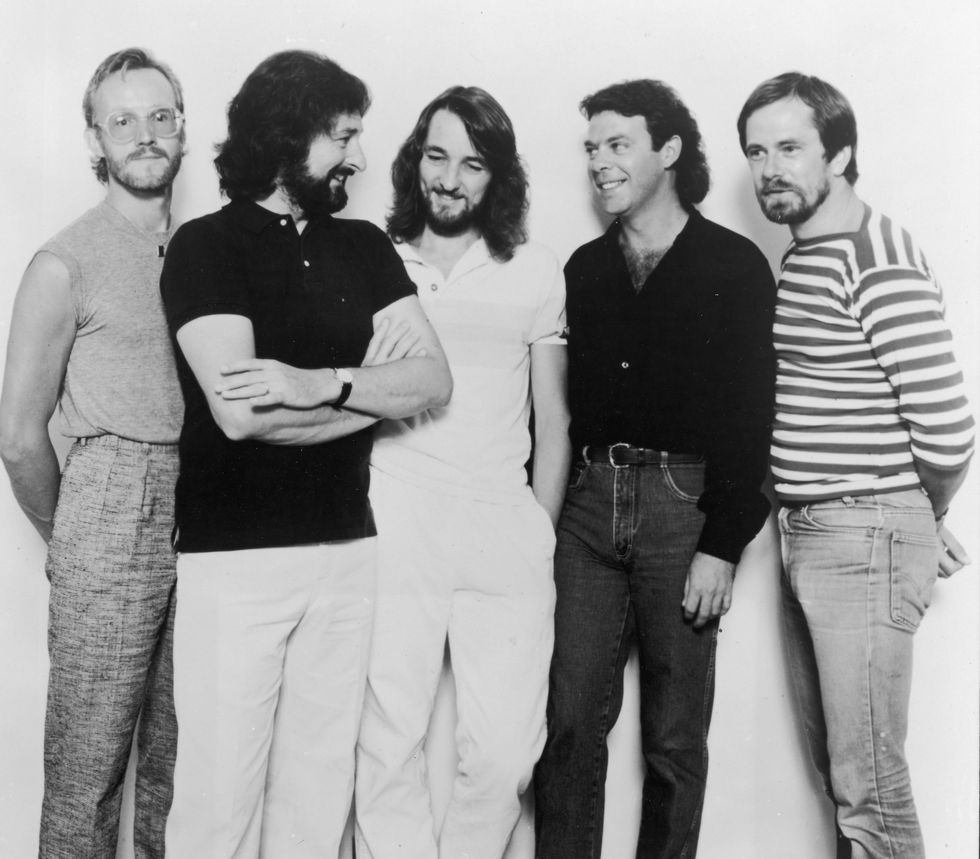 John Helliwell, Rick Davies, Roger Hodgson, Bob Siebenberg and Dougie ThomsonGetty Images
What were Supertramp’s biggest hits?
Supertramp first tasted commercial success with the 1974 album Crime of the Century, which featured Davies’ single Bloody Well Right. The band’s true breakthrough, however, came in 1979 with Breakfast in America.
The record sold more than 30 million copies worldwide, topping charts across the US and Europe. Its singles The Logical Song, Take the Long Way Home, and Goodbye Stranger remain radio staples. The album earned the group two Grammy Awards, strengthening their place in rock history. Davies’ role as songwriter, singer and pianist was central to this success, his songs carrying a soulful, world-weary edge that contrasted with Hodgson’s more whimsical lyrics.
- YouTube youtu.be
Why did Roger Hodgson leave Supertramp?
By the early 1980s, tensions between Davies and Hodgson intensified over songwriting royalties and creative direction. Following the release of Famous Last Words in 1982, Hodgson quit the band.
While many assumed this would end Supertramp, Davies chose to carry on. He released four more albums under the band’s name, including 2002’s Slow Motion. Though the band never again reached the commercial heights of Breakfast in America, they maintained a devoted fan base. Davies’ leadership ensured the group’s legacy endured, with tours continuing into the 2000s.
How did Rick Davies spend his later years?
In 2015, Davies was diagnosed with multiple myeloma, a cancer affecting bone marrow. This forced him to cancel a planned reunion tour. Despite his illness, he continued performing with local musicians in the US under the name Ricky and the Rockets, entertaining fans with blues and rock classics.
Davies died on 5 September at his home in Long Island, aged 81. A statement from the band said: “His soulful vocals and unmistakable touch on the Wurlitzer became the heartbeat of the band’s sound… Rick’s music and legacy continue to inspire many and bears testament to the fact that great songs never die, they live on.”
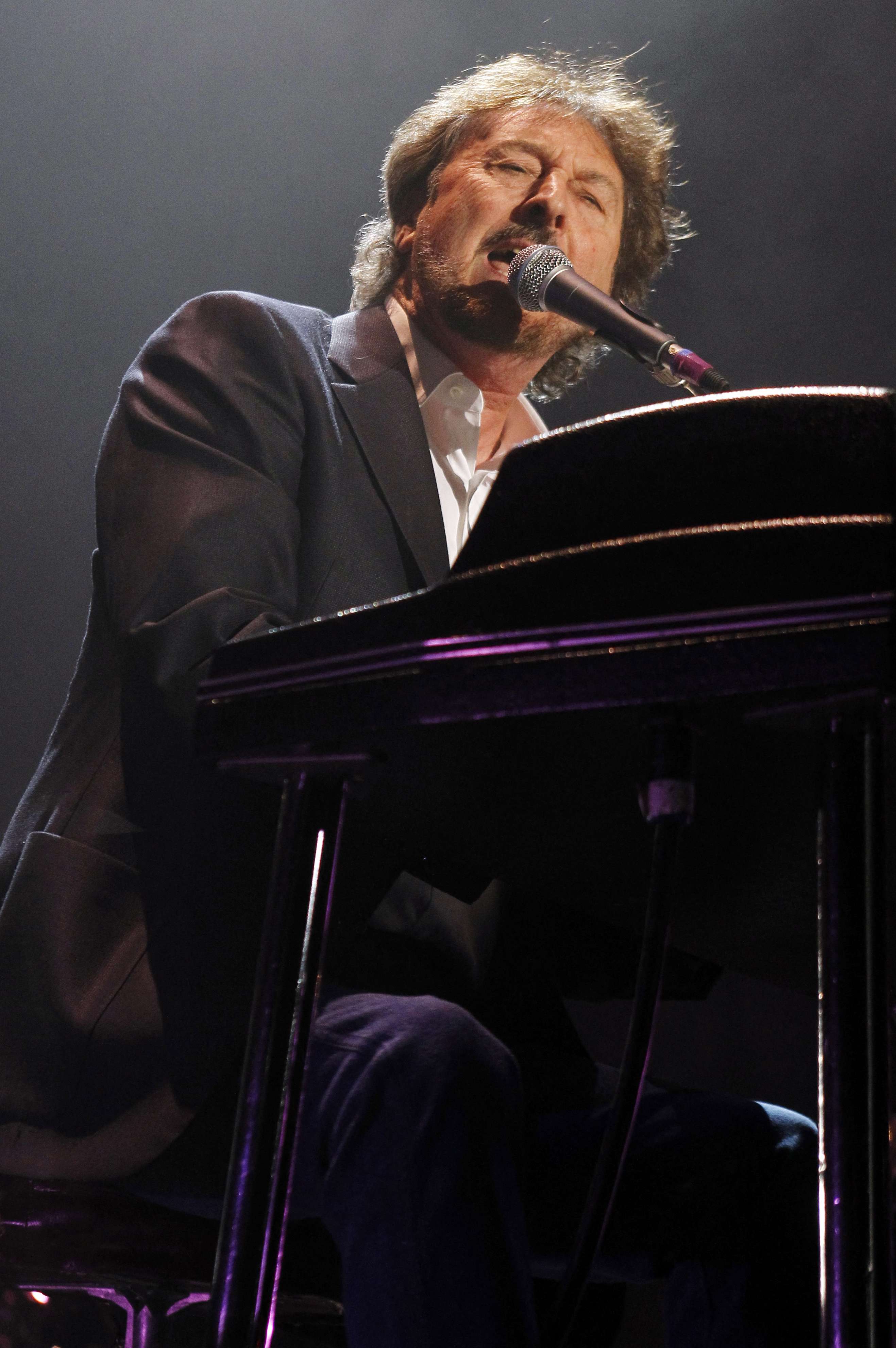 Rick Davies, Supertramp’s guiding force, dies at 81Getty Images
He is survived by his wife Sue, who had been Supertramp’s manager since 1984.