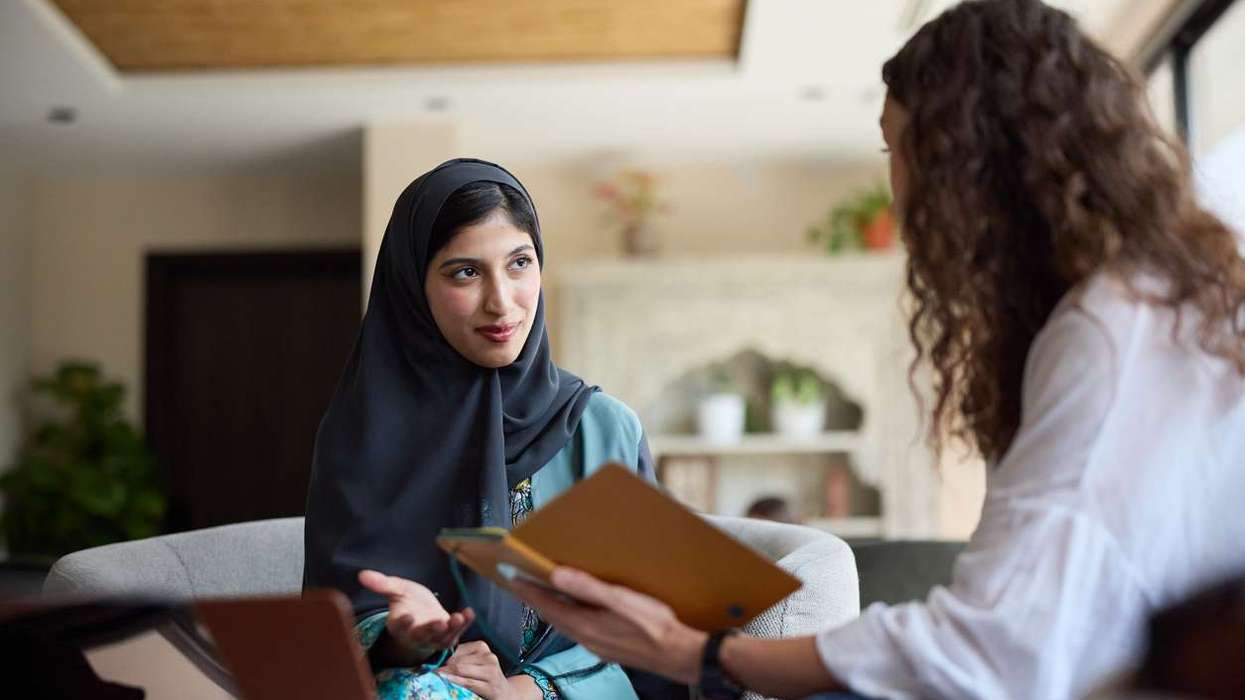

FASTING during Ramadan is a deeply spiritual practice, but for many working Muslim women, it’s also a mental and emotional balancing act.
Full-time work, deadlines and household responsibilities don’t pause for the fast. By the end of the day, fatigue, stress and guilt can set in, leaving women wondering if they’re ‘doing enough at work, at home and even in their faith.
Psychologically, this juggling act can be heavy. Energy dips and physical strain can make focus at work difficult, triggering anxiety or self-criticism. Women may feel pressure to maintain the same professional performance while coping with fasting, often carrying the stress so as not to draw attention. The constant self-monitoring of productivity, household duties and spiritual observance can heighten mental load and emotional exhaustion.
At home, the demands continue. Many women carry the bulk of household responsibilities: cooking, cleaning, childcare and family care. Preparing pre-dawn meals (suhoor), planning iftar (breaking fast) and ensuring that family members’ spiritual and physical needs are met can feel like a second shift. The emotional labour keeping everyone else nourished, organised and comfortable often comes at the expense of their own rest and wellbeing.
This dual burden can create a cycle of guilt and self-judgment. When a day doesn’t go perfectly, it can trigger thoughts like, ‘I should have done more, or Am I failing everyone?’ Many women also feel a sense of resentment that their spiritual experience is limited because so much of their time and energy goes toward serving others at home. The constant internal pressure to perform perfectly can increase stress, diminish self-compassion and make it harder to experience the spiritual benefits of fasting, sometimes leading to burnout, emotional fatigue and a sense of invisibility.
Support – both practical and emotional – is important. Small adjustments can make a significant difference: sharing household responsibilities, negotiating flexible work arrangements and consciously resting during the day when possible. Most important, self-compassion is important. Recognising limitations does not diminish faith; it allows women to participate in spiritual practice sustainably, without guilt or burnout.
Awareness and empathy from colleagues, employers and family members also play a huge role. Understanding that the fast comes with physical, cognitive and emotional demands can help create environments that reduce unnecessary stress. When workplaces and homes are supportive, women can honour their practices while also maintaining mental and emotional balance.
Fasting should be a time of reflection, empowerment and spiritual growth not a source of guilt, exhaustion, or self-doubt. Working Muslim women carry multiple burdens during this period and acknowledging that reality is the first step toward creating space for compassion, balance and wellbeing.
By recognising and addressing these pressures, we can help make fasting a meaningful, empowering experience one that nurtures both the mind and the spirit.
 Fahima Ali Eastern Eye
Fahima Ali is a south Asian psychotherapist, speaker and content creator based in the UK. She is the founder of Peace by Piece, a thriving culturally-attuned therapy practice. She uses her platform to amplify the often-overlooked experiences of south Asian women. Her book, Navigating Life as a Brown Girl (Bloomsbury Publishing), is out now.

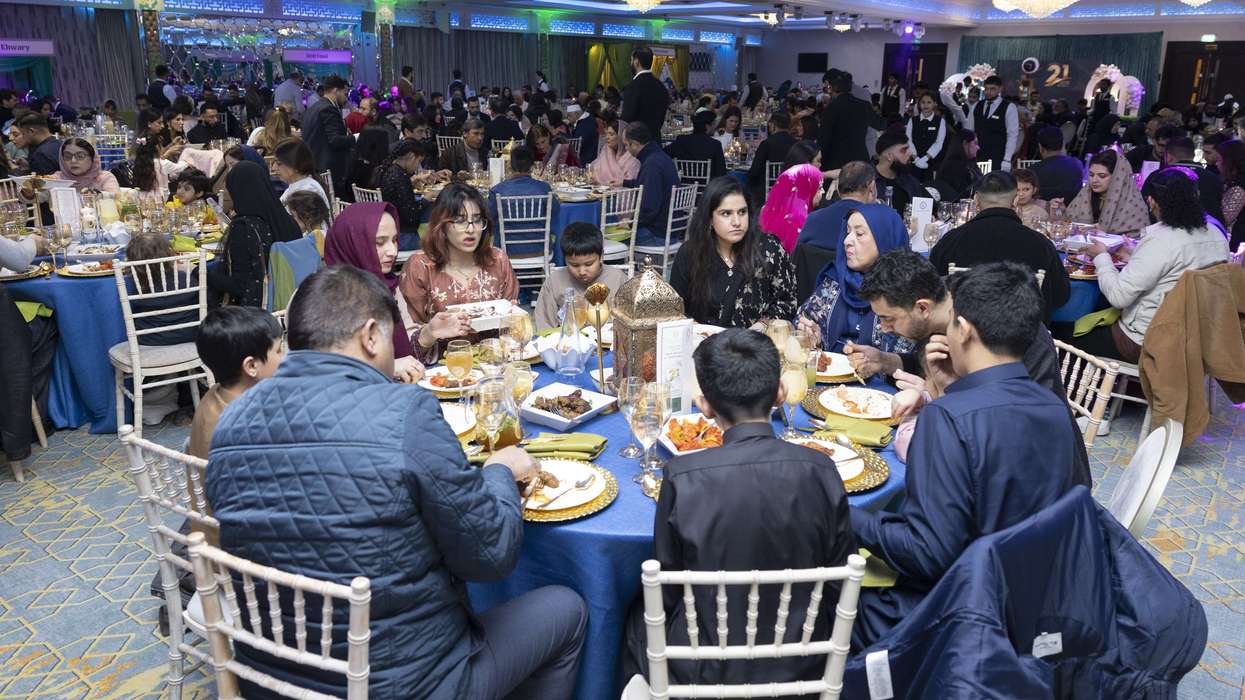 The dinner featured an impressive spread of live food stations showcasing flavours from across the regionSpice Village