
RAMADAN has evolved into one of the most commercially significant periods in the UK retail calendar, reshaping shopper behaviour and boosting the local economy up and down the country.
For retailers serving communities with a substantial Muslim population, it represents not just a seasonal spike, but a sustained trading opportunity that rewards early planning and agile promotions.
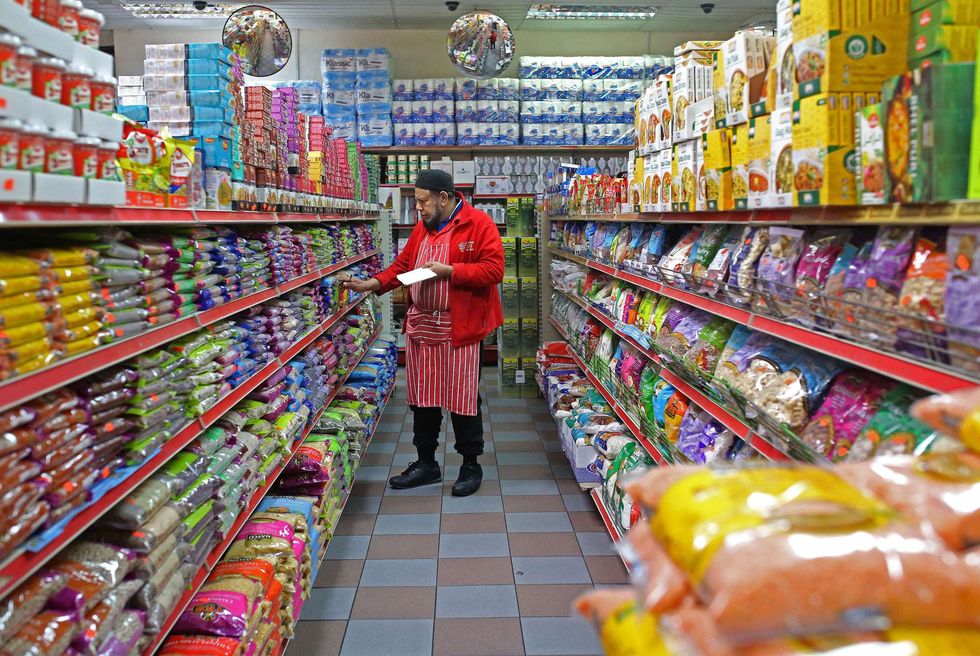 Supermarket shelves stocked for Ramadan shoppersEE
It is a four-week cycle that culminates in a sales peak around Eid al-Fitr, at the end of Ramadan.
Across the UK, around 2.6 million British Muslims fast during Ramadan, equivalent to roughly four per cent of the population, according to Equi research published in March 2025. The economic impact extends far beyond food alone.
Thinktank Equi estimates that Ramadan contributes between £800 million and £1.3 billion to the UK economy, encompassing grocery retail, gifting, marketing spend, supply-chain investment and charitable activity.
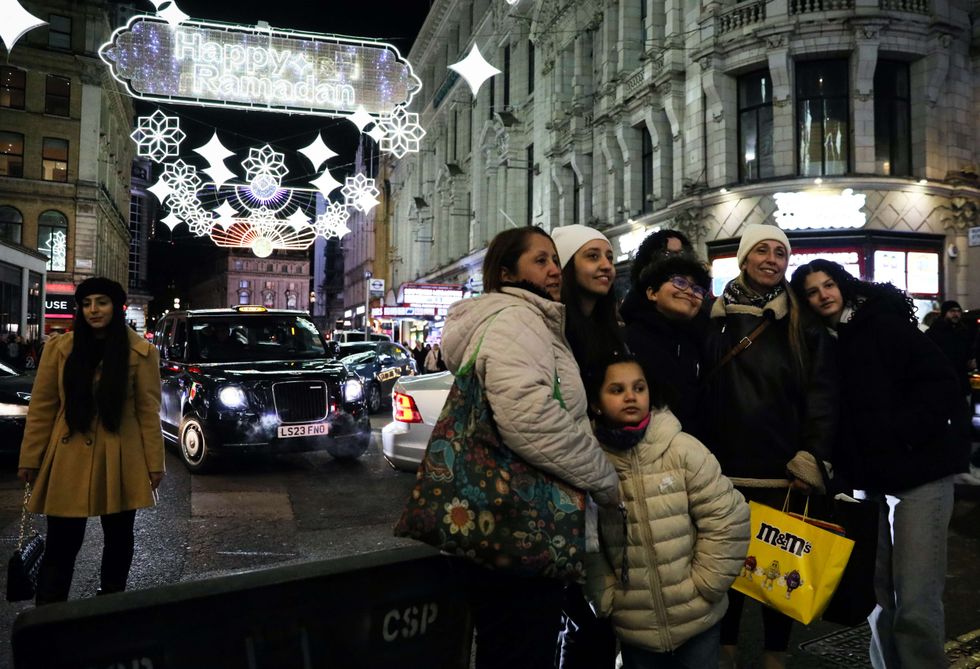 Festive lights marking the holy month on a central London streetAlishia Abodunde/AFP via Getty Images
The Equi report, titled Ramadan: Its value to British Society and the Economy, reveals that supermarkets alone generate approximately £228m to £342m in Ramadan sales, representing a two to three-fold increase from a decade ago. This growth is being driven by the expanding British Muslim population, increased availability of culturally tailored food products, and evolving dietary preferences among younger generation Muslims.
Beyond supermarkets, British Muslims spend an estimated £200m to £300m on clothes, gifts and travel during Ramadan and Eid across high street retailers, independent shops and pop-up souks and bazaars. As retailers expand their inclusive product offerings and the British Muslim middle class continues to grow, this figure is expected to rise significantly over the next decade.
Consumer retail spending encompasses food and drinks from supermarkets and independent shops, Ramadan and Eid clothing, ‘Eidhi’ cash gifts for children, presents from retailers large and small, as well as Eid travel expenses.
Younger British Muslims are increasingly comfortable expressing their faith through consumer choices while maintaining high expectations for product quality, convenience and value. This demographic shift is creating opportunities for retailers who can authentically engage with Muslim consumers while avoiding tokenistic gestures.
In 2018, the Great British Ramadan report, published by Ogilvy Noor, said 62 per cent of British Muslims feel underserved by consumer brands, yet 78 per cent expressed an interest in companies offering products for Ramadan and Eid.
More recently, a 2023 survey by Nano Interactive found that 44 per cent of British Muslims described themselves as brand loyalists, typically purchasing brands they know and love.
Ramadan’s economic impact extends beyond commercial transactions, with substantial charitable giving and community engagement.
The Equi report estimates that Ramadan drives a charitable contribution of £238m to £359m through donations, volunteering and social cohesion activities.
Mosques across Britain serve approximately 3.8 million free iftar meals during Ramadan, worth an estimated £15m. Each day, around 125,000 iftar meals are provided at mosques across the country, with an estimated cost of £500,000 daily. This has a direct impact on the local economy, as mosques source food and supplies from supermarkets and independent retailers, supporting local businesses.
Ramadan inspires giving across multiple causes, from fundraising for food banks to supporting vulnerable children, sustainable development initiatives and large-scale poverty relief campaigns both at home and abroad. This significant economic and social impact strengthens community engagement and charitable networks across the UK.
For retailers, understanding this charitable dimension can inform community engagement strategies and demonstrate authentic support for local Muslim communities beyond purely commercial considerations.
The Ramadan economy in the UK shows every sign of continued growth. Several factors will drive this expansion over the coming decade.
Supermarkets and major retailers have run advertising campaigns during the holy month and are estimated to invest between £159m and £274m in the Ramadan value chain, according to Equi (March 2025). Retail marketing spend linked to Ramadan is estimated at between £5m and £25m, underlining the increasing competition for shopper attention.
Product innovation continues apace. Beyond traditional categories, retailers are exploring opportunities in modest fashion, home décor, gift items and celebration accessories.
IKEA introduced a Ramadan-themed home collection in the UK for the first time in 2025, including its product line GOKVÄLLÅ, featuring decor, furniture and cooking utensils designed to create warm, inviting spaces for iftar and suhur.
Digital engagement is evolving rapidly, with personalised advertising on connected TVs, YouTube and ad-supported FAST channels becoming prominent platforms for Ramadan campaigns.
Radio and satellite TV channels remain crucial mediums for reaching British Muslim audiences, particularly during Ramadan when viewership and listenership increases substantially.
Ramadan 2026 represents a £1.3bn economic opportunity, with potential for independent retailers who can combine the agility, local knowledge and community connections that are their natural strengths.
The holy month’s distinctive shopping patterns – early stock-up missions, evening iftar shops, focus on sharing and celebration, culminating in Eid gifting and entertaining – require retailers to think differently about ranging, merchandising and promotional strategies.
As the Equi report concludes, “Recognising and supporting the Ramadan economy, and the contributions of British Muslims during Ramadan, is not only an economic imperative but also a vital step towards building a more cohesive and equitable society.”