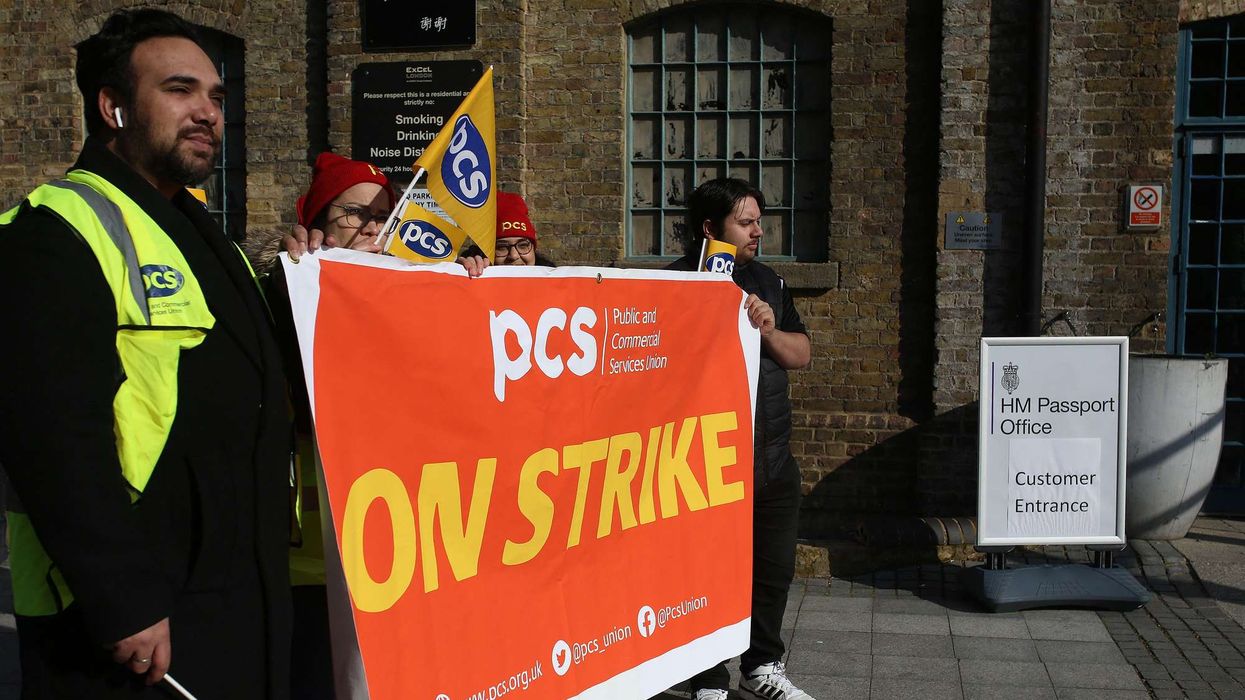

TAXPAYERS will no longer be told how much public money is spent on paid time off for trade union duties under changes introduced by the Labour government, according to figures reported by The Times.
Public sector bodies such as the NHS, schools and government departments will no longer be required to publish data on so-called facility time, and ministers will lose the power to impose a cap on spending. The reforms come despite new figures showing that £106.7 million was spent on facility time last year.
Facility time allows union representatives to carry out duties including representing members in grievances and disciplinary cases, training, and discussions with management. The overall bill remains below pre-pandemic levels but has risen each year since 2021-22, reported The Times.
Spending stood at £148.7 million in 2019-20 before falling to £98.1 million in 2020-21 and £89.3 million in 2021-22. It then increased to £96.8 million in 2022-23, £98.2 million in 2023-24 and £106.7 million last year.
The Employment Rights Act, which received royal assent last week, introduces a presumption that the amount of time a union representative considers “reasonable” must be accepted unless challenged successfully at an employment tribunal. It also extends paid time off to equality representatives.
Government documents said: “Despite the fact that most union representatives do receive paid time off, this is often insufficient to allow them to carry out all of their trade union duties and many union representatives use significant amounts of their own time to do so.”
The biggest increase last year was in the NHS, where spending rose from £17.1 million to £35.8 million.
Smaller rises were recorded in the civil service and education, while spending fell in local authorities.