
PAKISTAN launched air strikes on Afghanistan overnight on Saturday (21), hitting seven sites along the border in what Islamabad described as retaliation for a series of suicide bombings on Pakistani soil. Afghanistan said dozens of civilians, including women and children, were killed.
The strikes were the most extensive cross-border military action since clashes in October, in which Pakistan said 23 of its soldiers and more than 200 Afghan Taliban fighters were killed.
Pakistan's Ministry of Information and Broadcasting said the military had carried out "intelligence-based selective targeting" of camps and hideouts belonging to the Pakistani Taliban, also known as Fitna-al-Khwarij or the banned Tehreek-e-Taliban Pakistan, and the Islamic State Khorasan Province (ISKP). It said Pakistan had "conclusive evidence" that the groups, operating from Afghan territory under the direction of Afghanistan-based handlers, were behind recent attacks in Pakistan.
The strikes followed a suicide bombing at a Shia mosque in Islamabad that killed at least 40 people and wounded more than 160, the deadliest attack in the capital since 2008, as well as bombings in Bajaur and Bannu. On Saturday, an army lieutenant colonel and a soldier were killed in a further suicide attack in Bannu.
The ISKP has claimed responsibility for both the Islamabad mosque attack and a suicide bombing at a restaurant in Kabul last month.
Afghanistan's defence ministry said the strikes hit a madrasa and homes in the provinces of Nangarhar and Paktika, killing and wounding "dozens of innocent civilians, including women and children".
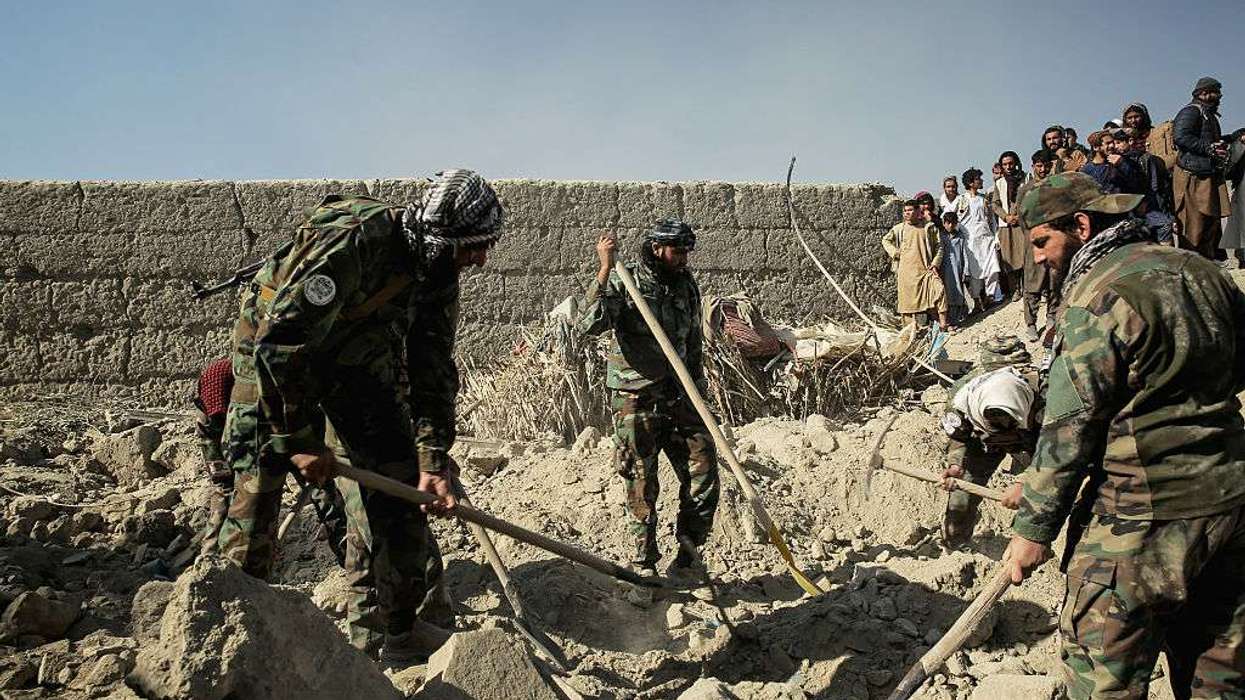
An AFP journalist in Nangarhar's Bihsud district reported that residents from surrounding areas joined rescue workers in one village, using a digger and shovels to search for bodies under rubble.
"People here are ordinary people. The residents of this village are our relatives. When the bombing happened, one person who survived was shouting for help," said Amin Gul Amin, 37, a neighbour.
Nangarhar police told AFP the bombardment began around midnight and struck three districts. "Civilians were killed. In one house, there were 23 family members. Five wounded people were taken out," said police spokesperson Sayed Tayeeb Hammad.
Afghanistan's defence ministry described the strikes as a "clear violation" of its national sovereignty, international law and the principles of good neighbourliness, calling them "clear evidence" of intelligence and security failures within Pakistan.
"Our borders and the security of our people is our sacred religious and national duty," the ministry said. "At the appropriate time, a necessary and measured response will be delivered to these aggressions."
Pakistan said it expected the Afghan interim government to fulfil its obligations and called on the international community to press Kabul to honour its commitments under the Doha Agreement, which requires Afghanistan not to allow its soil to be used against other countries.
The Afghan government has denied harbouring militants.
Relations between Pakistan and Afghanistan have worsened since the Taliban retook control of the country in 2021. The UN mission in Afghanistan said Pakistani military action killed 70 Afghan civilians between October and December last year.
Several rounds of negotiations followed an initial ceasefire brokered by Qatar and Turkey, but no lasting agreement has been reached. Saudi Arabia intervened this month, mediating the release of three Pakistani soldiers captured by Afghanistan in October. The land border between the two countries has remained largely closed for months.
Pakistan said that despite repeated efforts to urge the Taliban administration to take action against militant groups using Afghan territory, it had "failed to undertake any substantive action against them".
(Agencies)