
Highlights
- Octopus Energy's Intelligent Go tariff limited to six hours of discounted charging daily from January.
- Changes affect 260,000 drivers more than one in 10 UK electric vehicle owners.
- Full charges for large battery cars could more than double in cost under new restrictions.
Britain's biggest energy provider is increasing electric car charging costs by restricting its discounted tariff, dealing a fresh blow to motorists already facing rising household bills and new vehicle taxes.
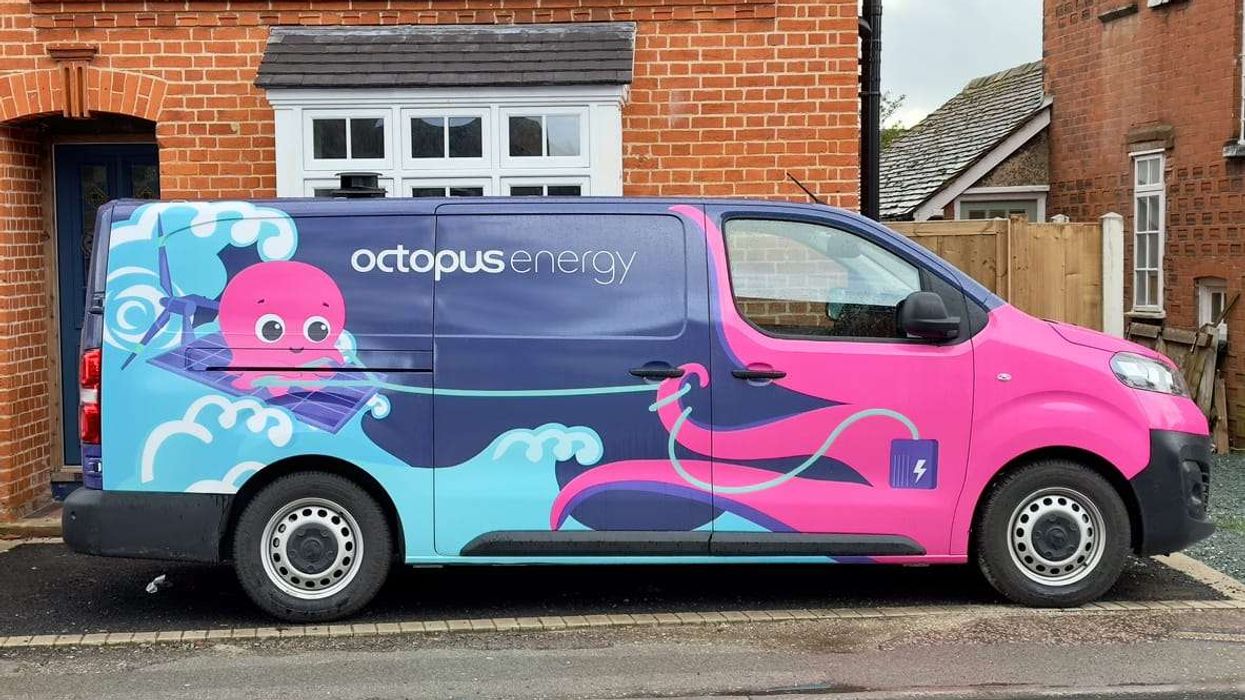
Octopus Energy has informed customers that its Intelligent Go tariff, Britain's most popular electric vehicle plan used by 260,000 drivers will limit discounted charging to six hours daily from January. The restriction could cost some drivers hundreds of pounds annually.
While the discounted charging rate itself remains unchanged, limiting cheap charging periods means motorists requiring longer charging times will pay peak rates approximately four times higher. This particularly affects owners of large-battery vehicles, which can take over 10 hours to charge fully.
The cost of charging certain Tesla Model Y versions, Britain's most popular electric car from 5 per cent to 100 per cent could rise from around £5.50 to over £13 under the new restrictions.
Tariff changes impact
Octopus Energy, which serves almost eight million customers, follows rival supplier Ovo, which doubled EV charging prices earlier this year. The changes have sparked customer backlash on social media, with users questioning the benefits of remaining with the provider.
An Octopus spokesman stated the changes "make sure the tariff continues to offer great value for everyone" and are not linked to wider energy market conditions.
The company claims it is enforcing existing terms and conditions, noting that four in five charging sessions already take fewer than six hours.
The provider suggested the changes encourage drivers to charge daily in smaller bursts, allowing better demand management.
The company also cited some customers using technical "workarounds" to slow charging speeds and extend hours of cheap electricity, which benefits entire households during charging periods.
Electric vehicle owners face mounting costs despite sales remaining below government targets. This year, EV drivers lost road tax exemptions, and expensive models now face a "luxury car tax."
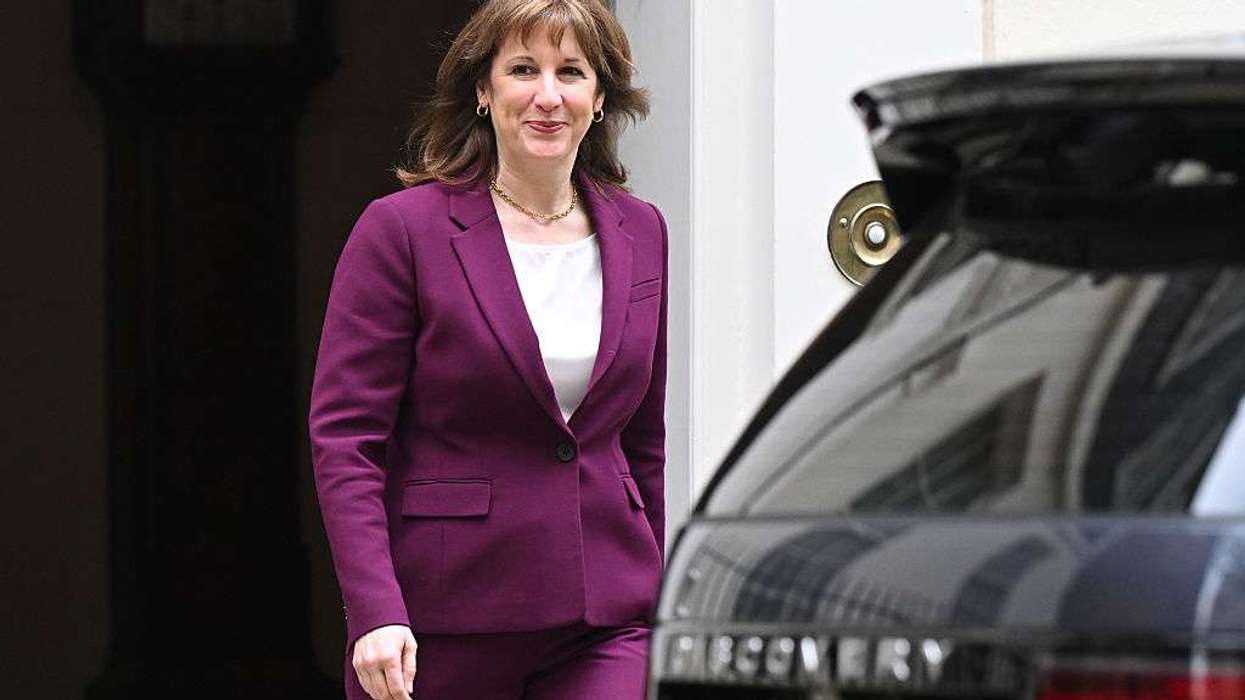
Chancellor Rachel Reeves announced in last month's Budget that EV drivers will pay 3p per mile from 2028, adding an average £255 annually to driving costs.
The Office for Budget Responsibility predicts this policy will reduce sales by 440,000 vehicles over five years.