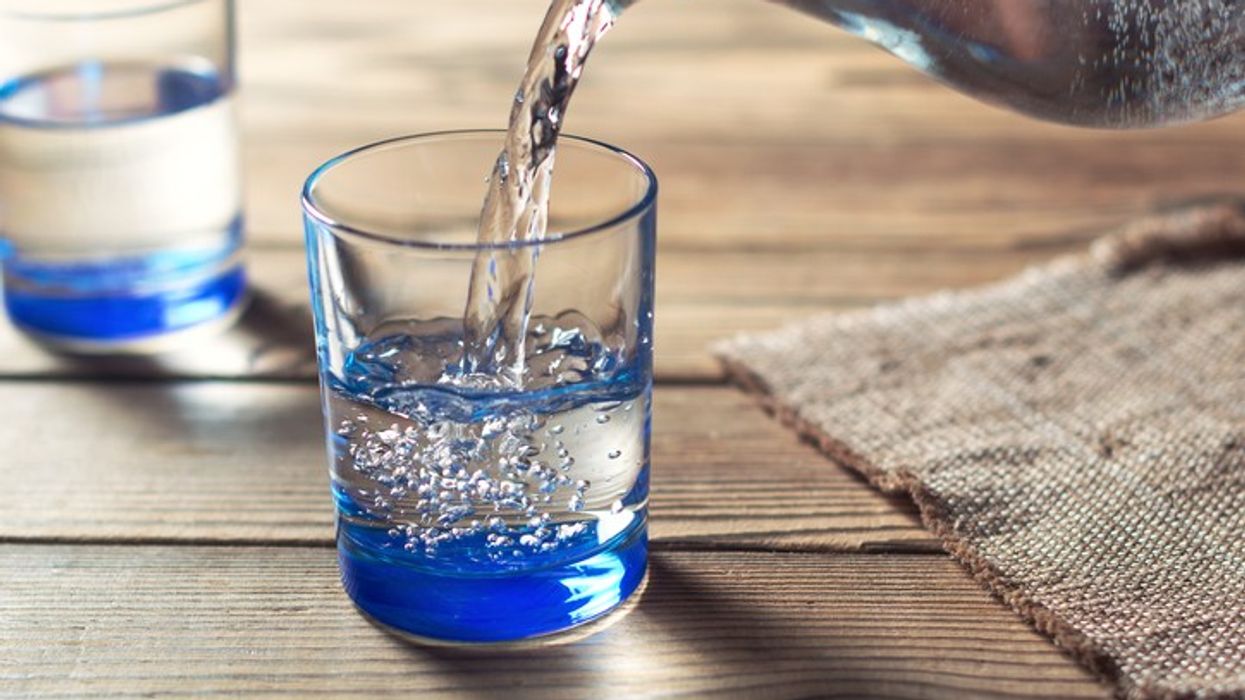

It is essential to replenish fluid levels after any activity that leads to heavy sweating, such as a rigorous workout, sauna session, or hot yoga class. Additionally, rehydrating is critical for avoiding the negative consequences of dehydration during cases of stomach flu or after a night of drinking alcohol.
You've likely heard the advice to drink water for hydration, but it may surprise you to learn that water might not be the most effective hydrator. In his latest Instagram post, celebrity nutritionist Dr Siddharth Bhargava challenges this idea.
While he points out that water is “the healthiest drink known to man,” the expert adds that it is not “the best thirst quencher.”
As an alternative, Dr Bhargava suggests drinking a glass of milk, ORS, or orange juice to combat dehydration, The Indian Express reports.
Preventing dehydration is vital for maintaining good health as water performs numerous functions in the body such as lubricating joints, processing nutrients, and regulating body temperature.
“Hydration is not about drinking water but retaining water. There is an index called the hydration index that compares the ability of different liquids to stay in our bodies for longer. The results are truly astonishing. Water as a thirst quencher is pretty down on this list than you would expect. Milk, ORS, orange juice, coconut water, all have higher hydration indexes than water,” he said, emphasising that milk is a superior thirst quencher.
Dr Bhargava adds, “of course, keep drinking plenty of water, but in certain situations, you should know what works better than water.”
The hydration index refers to how effective different beverages are at keeping the body hydrated.
The site Milk Genomics informs that the hydration index for beverages may encourage individuals to monitor their hydration levels and opt for healthier drink choices. After all, a lack of proper hydration has been associated with various health issues, including not only headaches but also digestive and circulatory disorders.
Speaking about dehydration, a Columbus, Ohio–based research scientist and hydration expert at Abbott, Jennifer Williams, MPH told Everyday Health in an earlier report, “We lose water every day through natural bodily functions, but dehydration occurs when we lose more bodily fluids than we’re taking in.”
She states, “Because humans are made up of mostly water and electrolytes, we need to maintain the proper balance of these in our system.”
Agreeing, Dr Smriti Jhunjhunwala, BHMS nutritionist, dietician, and founder of vitalswasthya, a homeopathy and online consultation company, told the Indian Express, “Dehydration doesn’t simply mean loss of water but also loss of electrolytes, varying body temperature, urine concentration, weakness and a lot of other symptoms follow. Chugging water alone cannot cover up for these losses, and therefore drinks with higher hydration index have been considered more efficient in cases of dehydration.”
But while water may not be the most effective hydrator, it still has numerous health benefits. Listed here are some of these benefits as stated by Dr Jhunjhunwala:
• Facilitates absorption of food
• Assists in blood formation and transport of nutrients
• Regulates blood pressure and volume
• Controls body temperature
• Softens stools and other functions.






 Sunder Katwala
 Reform UK spokesperson for home affairs, Zia Yusuf, attends a press conference with Leader of Reform UK Nigel Farage at The Clermont London Hotel on November 2, 2026 in London, United Kingdom. (Photo by Ben Montgomery/Getty Images)
 The decline has renewed calls for tighter immigration controls from the Conservatives.


