COMMUNITY sport in the UK continues to adapt to Ramadan by shifting fixtures and programmes to late evening hours so players can compete after breaking their fast.
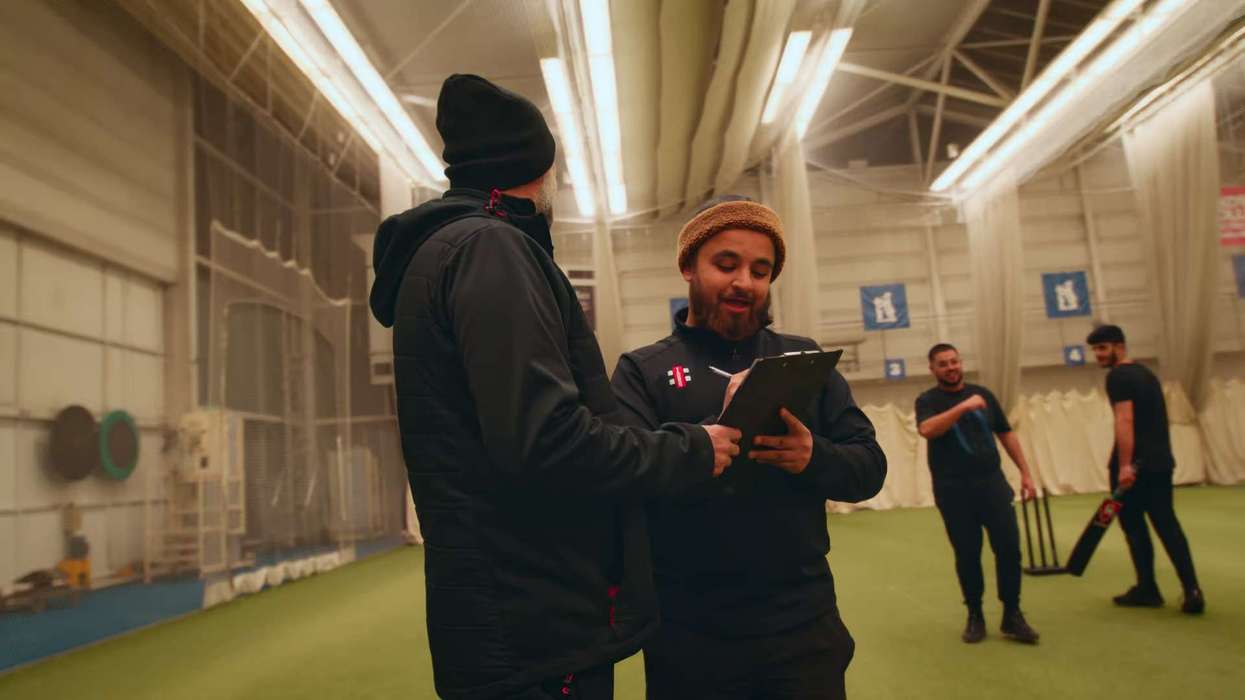
At Edgbaston Stadium, the Ramadan Midnight Cricket League is running again in 2026. It is running across six nights from February 24 to March 12, with matches taking place from 10pm to midnight at the Edgbaston Indoor Centre. The league is organised by the Edgbaston Foundation.
Launched in 2021, the competition is open to 16–24-year-olds and is played in a six-a-side street cricket format using a tape ball. It is delivered in partnership with Chance to Shine. The scheduling allows participants to eat and hydrate at iftar before competing.
In the northwest, the Lancashire Cricket Foundation is delivering a programme of activities to mark Ramadan. Ahead of the month, additional indoor sessions were organised so young people would not miss out on playing time. In Blackburn, day-long indoor cricket festivals took place before regular activity slowed or adapted during Ramadan.
The Foundation will deliver the ECB Cricket Cities Ramadan Cup as part of the England and Wales Cricket Board’s Cricket Cities programme. Fixtures are scheduled to reflect fasting commitments. Community-based iftars will also be hosted in Burnage, Blackburn and Manchester. In Burnage, participants from the Chance to Shine Street programme will take part in an after-school celebration led in part by Young Leaders.
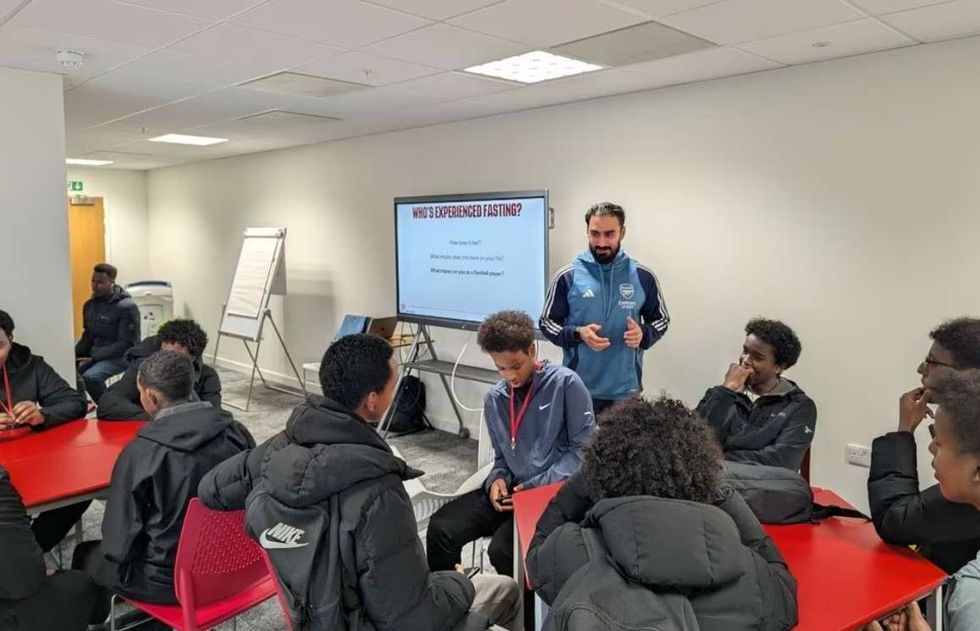 Lead Arsenal academy physiotherapist Zubair Haleem advises players on nutrition and fasting during RamadanArsenal FC
Following consultation with families, some weekly sessions have been paused, others adapted, and some continue as normal. Coaches have been provided with guidance on adjusting session intensity, scheduling, hydration awareness, and consideration of prayer times.
Arsalan Khalid, cicket development officer, said: “Ramadan is a time for reflection and togetherness. By delivering extra activity before the month and adapting our programmes during it, we’re ensuring young people stay connected to cricket while respecting their faith. These events are about community, leadership and inclusion.”
Football has followed a similar approach. Manchester City and Manchester FA hosted a Ramadan Midnight Football League last year at the City Football Academy, running sessions between 10pm and midnight so players observing Ramadan could take part after iftar. The club said the initiative provided an opportunity for players and families to participate in organised football during the fasting period.
Other community midnight leagues have been hosted by organisations including Rotherham United Community Trust, scheduling matches after sunset to accommodate fasting players. Confirmation of 2026 editions is expected from organisers.
At professional level, the Premier League and English Football League continue to accommodate fasting players. Under current protocols, match officials may pause games briefly at sunset to allow Muslim players to break their fast with liquids or energy supplements.
The pause takes place during a natural stoppage, such as a throw-in or goal kick, and is agreed before kick-off. Sunset in the UK during Ramadan typically falls in the early evening, meaning early kick-offs are most likely to be affected.
England Boxing has published guidance outlining reasonable adjustments for members observing Ramadan, including flexibility around training loads and competition scheduling.
Organisers of midnight leagues make operational adjustments to run sport at night. Facilities operate extended hours, lighting and staffing arrangements are modified, and volunteers work later shifts.
Sporting world adapts to support athletes through Ramadan fast
Elite athletes and academy players continue to train and compete while observing Ramadan, with clubs providing structured guidance on nutrition and recovery.
In the United States, Houston Cougars forward Kalifa Sakho is observing Ramadan while competing during the 2025–26 college basketball season. He said: “I’ve never played at the highest level of college basketball, so it’s going to be way different. It’s going to be a big challenge.”
Sakho told The Houston Chronicle: “You’re going to get tired, but you get used to it. Wednesday was a little hard because it was the first day. The first day is usually the hardest.”
John Houston, UH’s associate athletic director for sports medicine, said: “Most of these (athletes) are pretty well-versed on how they manage it. I’ll just follow their lead. Kalifa has been playing for a while and knows how he works his way through that.”
Lead Academy Physiotherapist Zubair Haleem joined Arsenal FC to educate players on how to approach the holy month from a nutritional perspective and how he supports academy players who are fasting.
"It was inspiring to see the club working alongside Finsbury Park Mosque to create a genuine sense of belonging for young people who love Arsenal but haven’t always had opportunities to engage directly,” he said.
Jack Ironside, Senior Social Inclusion Manager at Arsenal in the Community, said: “The idea is to bring local young people together to have open conversations about Ramadan, looking at fasting, nutrition and exercise during the month.