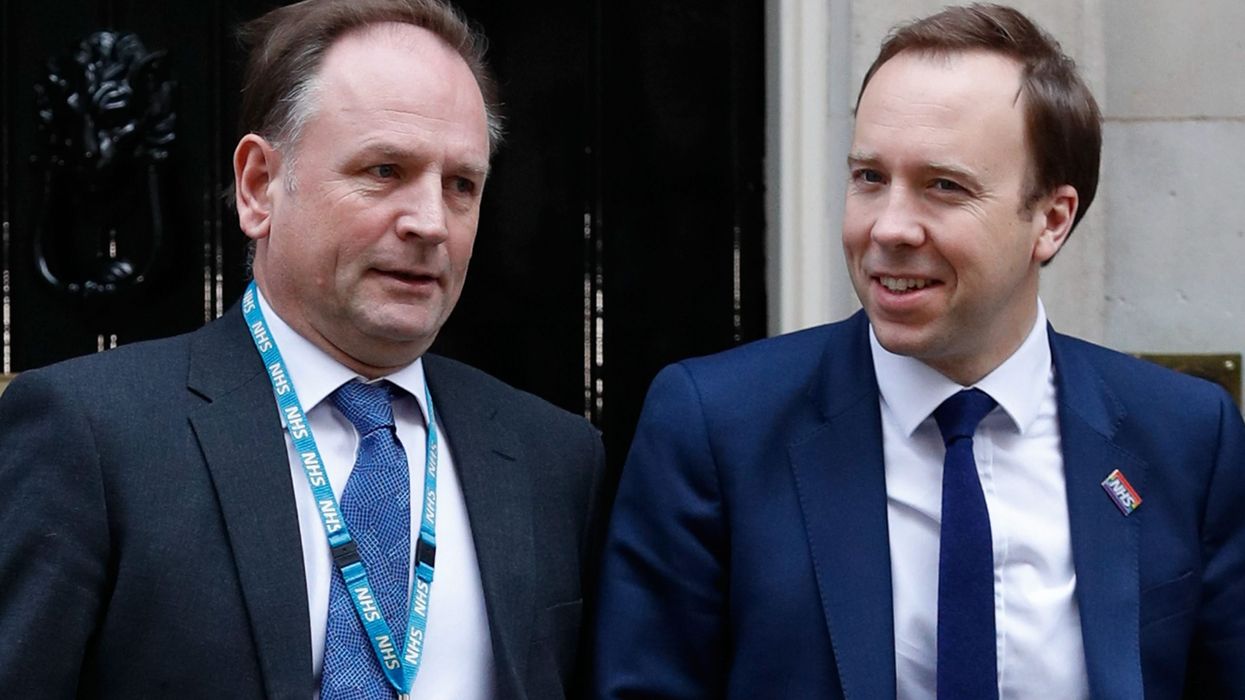

Sir Simon Stevens will step down as head of NHS England at the end of July and become a peer, the government has announced on Thursday (29).
He will leave his role after being in charge for seven years, and also having overseen the Covid vaccination rollout to all adults.
He had intended to leave earlier but agreed to stay on through the winter. Prime minister Boris Johnson said Sir Simon "led the NHS with great distinction".
"I want to thank him for his dedicated service throughout - but especially when facing the extraordinary pressures of the past year, and for his huge contribution to our vaccine rollout," Johnson said.
Health Secretary Matt Hancock said Sir Simon's "leadership has helped NHS staff to overcome unprecedented adversity and keep services open for millions of patients in the face of this global pandemic."
Sir Simon first joined the NHS in 1988 through its graduate management programme before working in international health care, frontline NHS services and at 10 Downing Street, before becoming chief executive of NHS England in 2014.
He was knighted in 2020 for services to health and the NHS, and will now join the House of Lords.
NHS England said a successor would be appointed before Sir Simon steps down on July 31.