
THE NHS came close to collapse during the Covid-19 pandemic, a public inquiry concluded on Thursday. The inquiry said a government slogan urging people to stay at home to "save lives" also "sent the message that healthcare was closed".
The report found that the "Stay home, Protect the NHS, Save Lives" messaging, created by government officials and health leaders, led some people to avoid accident and emergency departments even for life-threatening conditions such as heart attacks.
Others avoided seeking medical attention due to concerns about burdening the health system, which led to delayed diagnoses. In some cases, this meant their conditions became inoperable.
The 387-page report by retired senior judge and inquiry chair Heather Hallett sets out 10 recommendations to prevent healthcare systems from being overwhelmed in any future pandemic.
"We coped, but only just," Hallett said. "Collapse was only narrowly avoided thanks to the extraordinary efforts of all those working in healthcare across the UK."
She added that the pandemic had wide-ranging consequences, including patients "not always getting the care they needed".
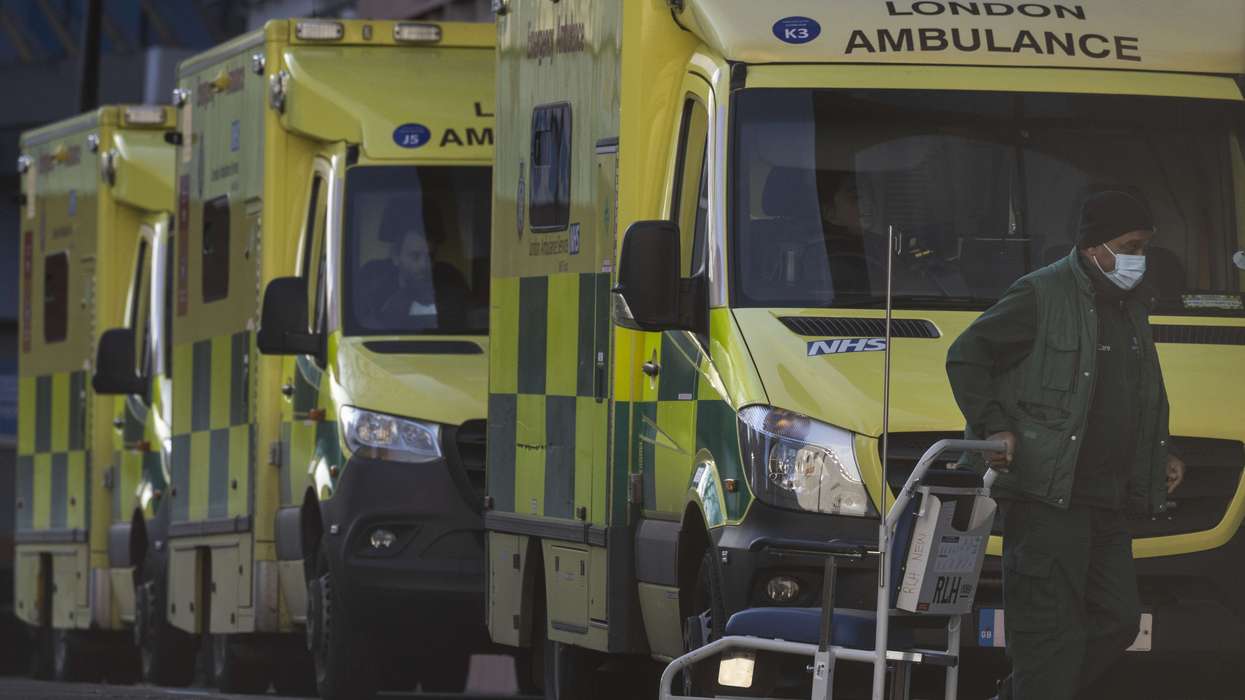
Waiting times for ambulances increased, including for the most critical cases, and the non-emergency 111 healthcare phone line could not cope with demand.
"Visiting restrictions meant that many patients died without the comfort of being surrounded by their loved ones," the report said.
"And vulnerable patients such as those with dementia or a learning disability, and children in mental health inpatient units, as well as women accessing maternity services, were left without vital support," it added.
Hallett's recommendations include increasing capacity in emergency care and improving the body responsible for infection prevention.
The UK recorded one of the highest Covid-19 death tolls in Europe.
The number of deaths with Covid-19 on the death certificate stood at just over 227,000 as of June 2023, when the inquiry hearings began, according to government figures.
Earlier phases of the inquiry examined the country's preparedness and political decision-making.
UK public inquiries are funded by the government but have an independent chair. They investigate matters of public concern and aim to establish what happened, why it happened, and what lessons can be learned.
The next phase, the fourth of 11, will focus on the development of vaccines and their rollout.
(With inputs from agencies)