
In 2020, Hilary McGrady was attacked by right-wing politicians and commentators when the National Trust published a 115-page landmark report, “Connections between colonialism and properties now in the care of the National Trust, including links with historic slavery”.
It said a third of its sites had ties to the “sometimes uncomfortable role that Britain, and Britons, have played in global history”.
The document sparked huge controversy as it listed 93 trust properties said to have links to colonialism and slavery.
On connections with trade and the East India Company, for example, it said: “For 500 years British colonialism was fundamental to British social, economic, political and cultural life. This was allied with a belief in white racial and cultural superiority. This is reflected across many National Trust places and collections.
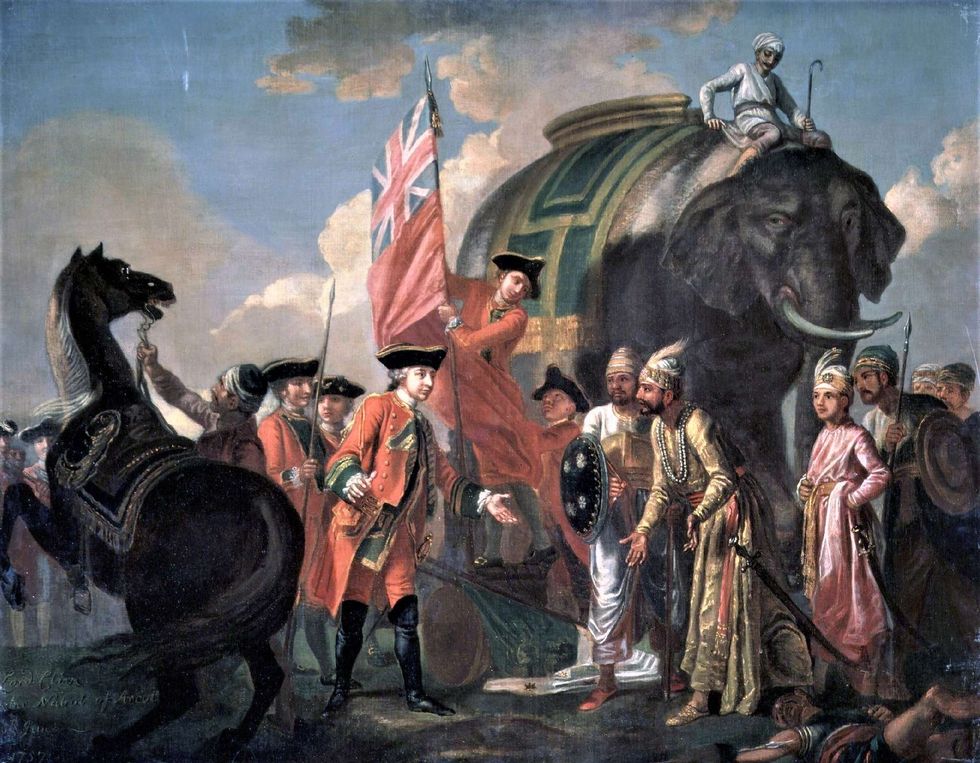 Clive meeting Mir Jafar after the Battle of Plassey 1757
“A number of properties and collections were owned or acquired by leading officials from the East India Company, the hugely powerful corporation which dominated trade between Europe, Asia and the Middle East between 1600 and 1857. The Company was instrumental in the East African slave trade and also traded enslaved people from the West Coast of Africa to its settlements in South and East Africa, India and Asia.”
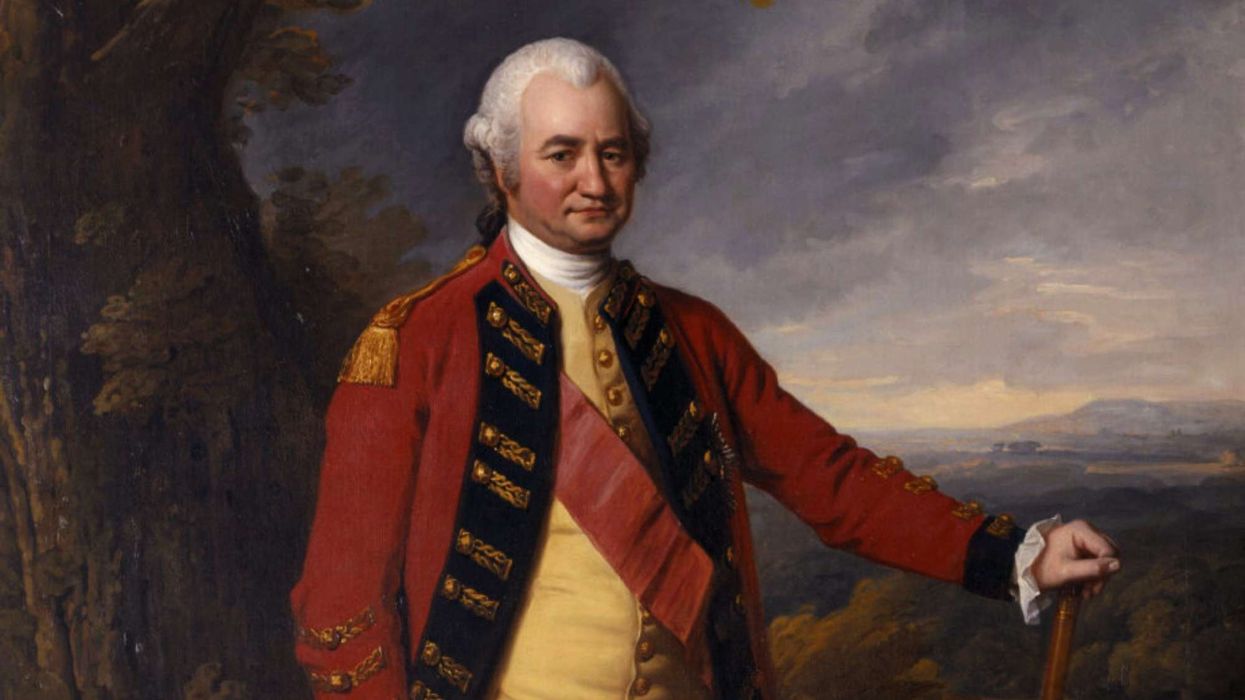
It highlighted the case of Robert Clive: “In the 18th century, under Robert Clive (1725–74), the Company used its wealth and armies to forcibly invade and conquer the Indian subcontinent to exploit its rich natural resources. As well as creating the British Empire in India, this ensured that Clive became vastly wealthy, and in 1768 he spent around £100,000 remodelling the Claremont Estate in Surrey. Today, Claremont Garden is cared for by the National Trust.
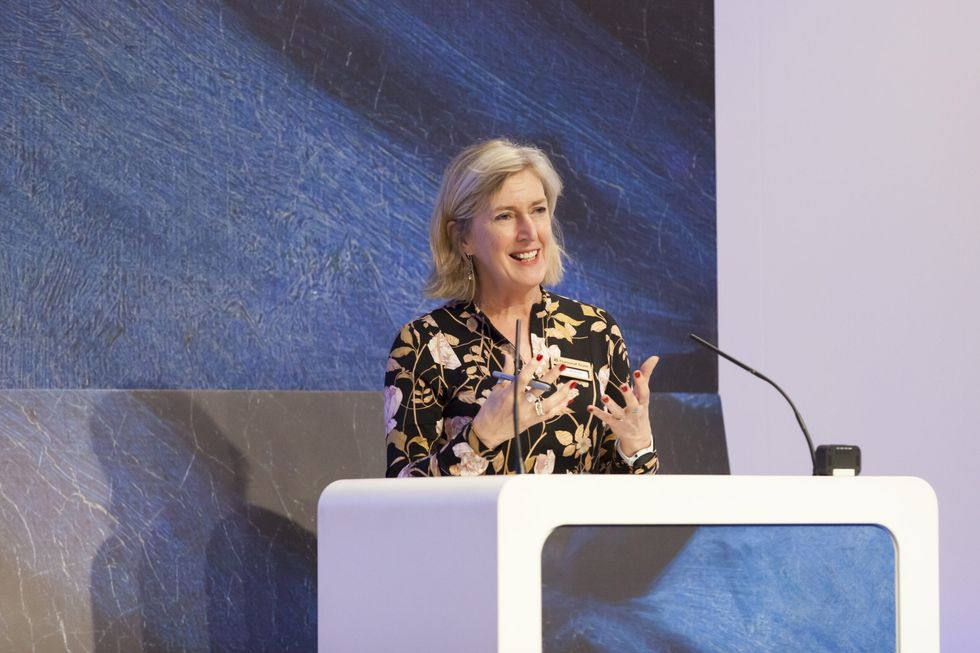 National Trust director general Hilary McGrady
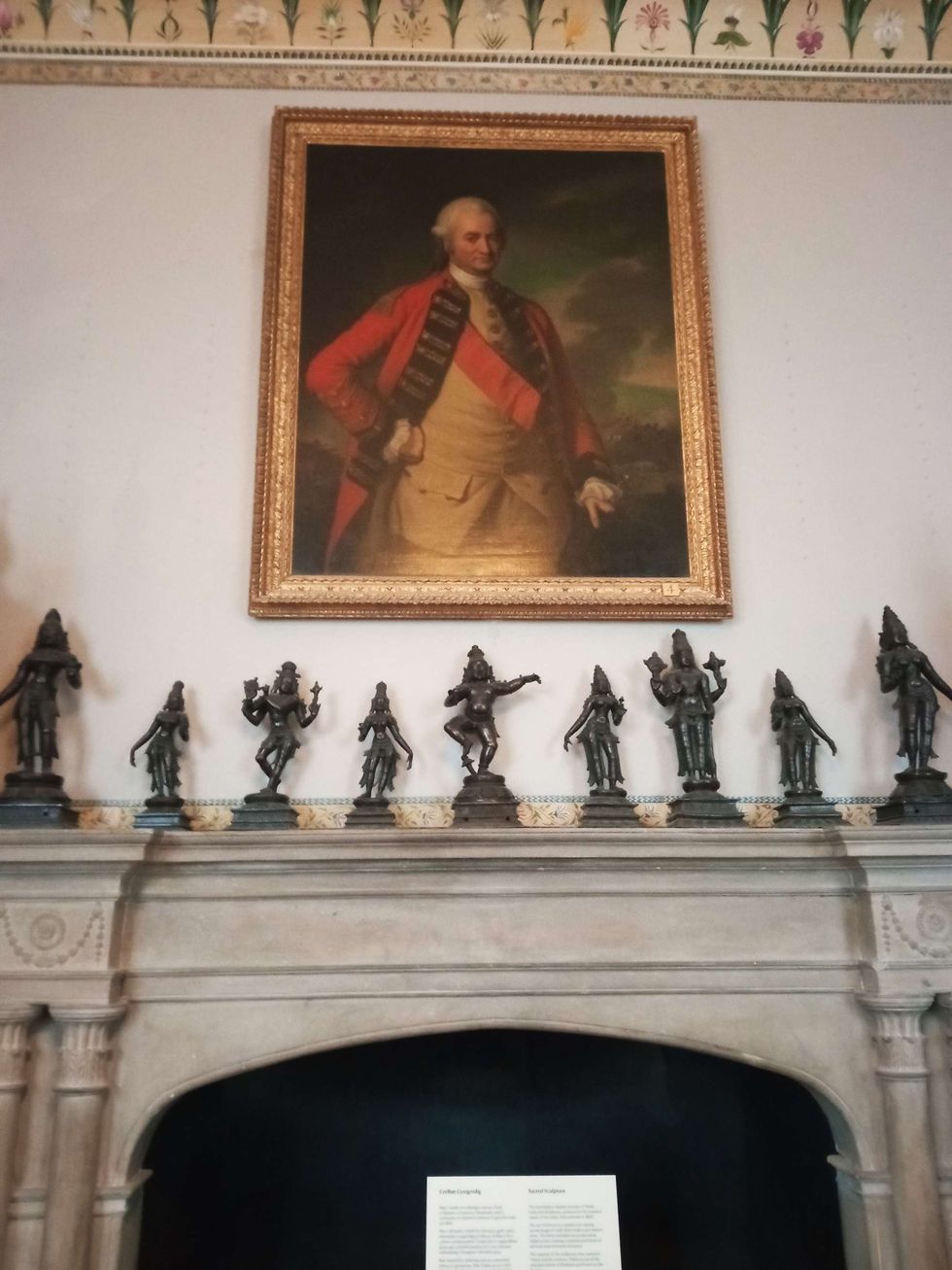 Powis Castle photo of four Clive dominates Hindu Gods
“Robert’s son, Edward Clive (1754–1839) as Governor of Madras, bears responsibility for the defeat and death of Tipu Sultan (1750–99), the ruler of Mysore. Both Robert and Edward Clive’s colonial legacy can be seen today in a collection known as the ‘Clive Museum’ at Powis Castle (in Wales).
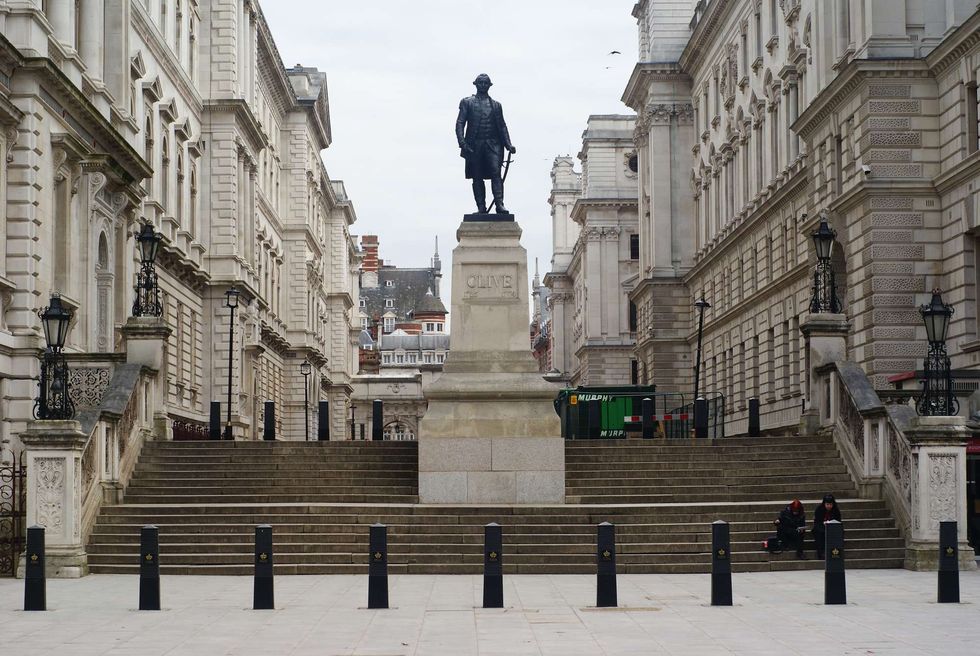 Clive of India at Foreign Office entrance
“Edward Clive’s son, also called Edward, inherited Powis when his maternal uncle, the Earl of Powis, died. The collection of Indian objects includes Tipu Sultan’s magnificent state tent and a gold and jewelled tiger’s head finial from his throne.”
It said about Kedleston Hall in Derbyshire: “The display of Indian and other Asian objects in the ‘Eastern Museum’ at Kedleston Hall is a testament to British Imperialism in India at the turn of the 19th and 20th centuries. The objects were acquired by George Curzon (1859–1925), Viceroy of India, 1899–1905. By all accounts Curzon had a passion for Indian art and artefacts, but in recent years we have recognised that our method of display of objects was culturally insensitive. A new project is underway to work with experts in Asian art and history as well as Asian communities to research, interpret and redisplay the collection as much more than the beautiful spoils of Empire.”