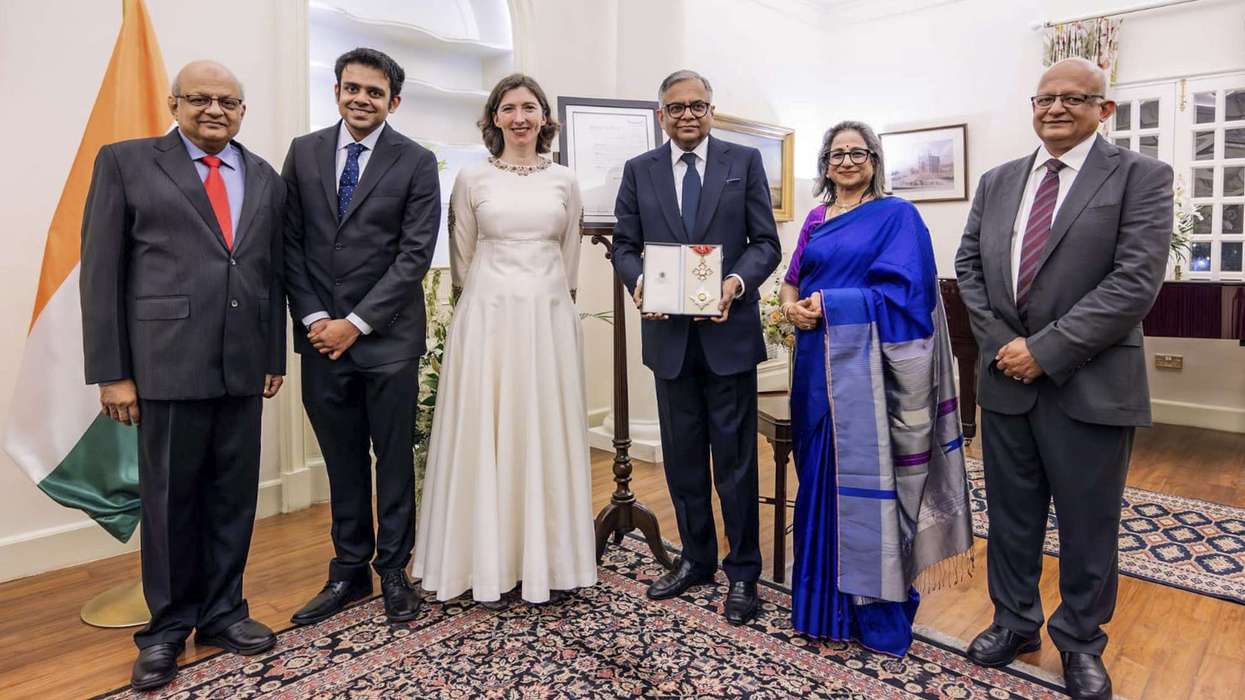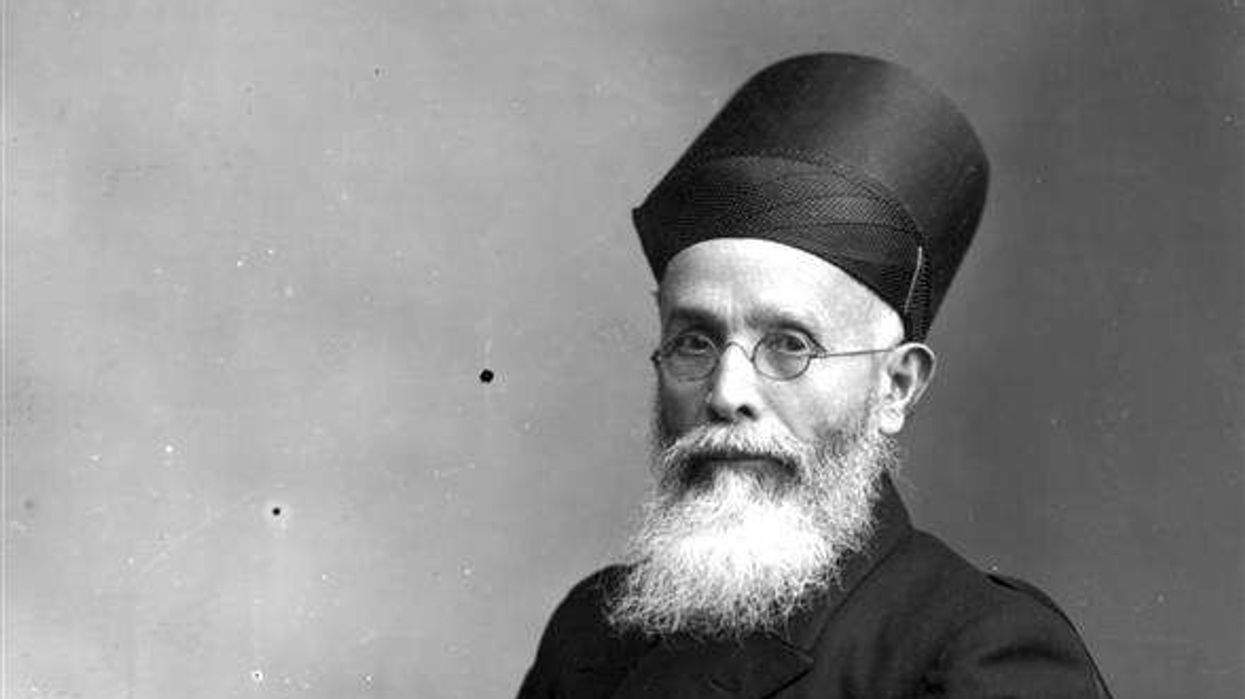

PARLIAMENTARIANS and diplomats paid tribute to Dadabhai Naoroji at a special reception to mark the Indian leader’s 200th birth anniversary in London last week.
Naoroji was the first Indian to win a popular election to the UK parliament during colonial times.
Known as the “grand old man of India”, Naoroji was born in September 1825 to a Parsi family in then Bombay and first travelled to England in 1855 for business, before going on to become an influential figure in politics.
Lord Karan Bilimoria, a fellow Parsi parliamentarian, hosted last Friday’s (12) reception in honour of the life and legacy of the polymath who straddled multiple roles of a Zoroastrian priest, businessman, academic and politician.
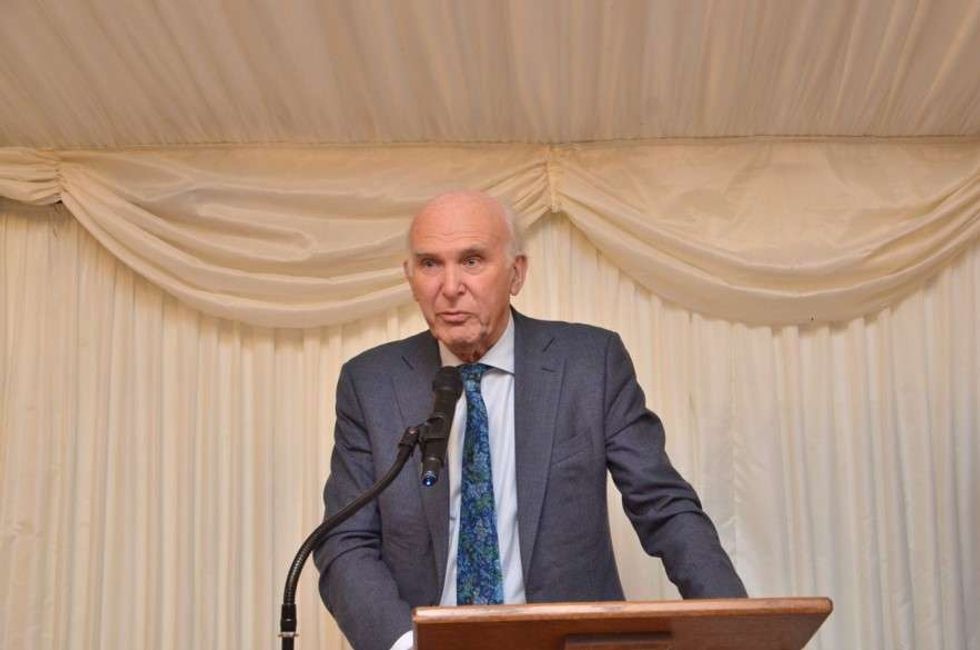 Sir Vince Cable
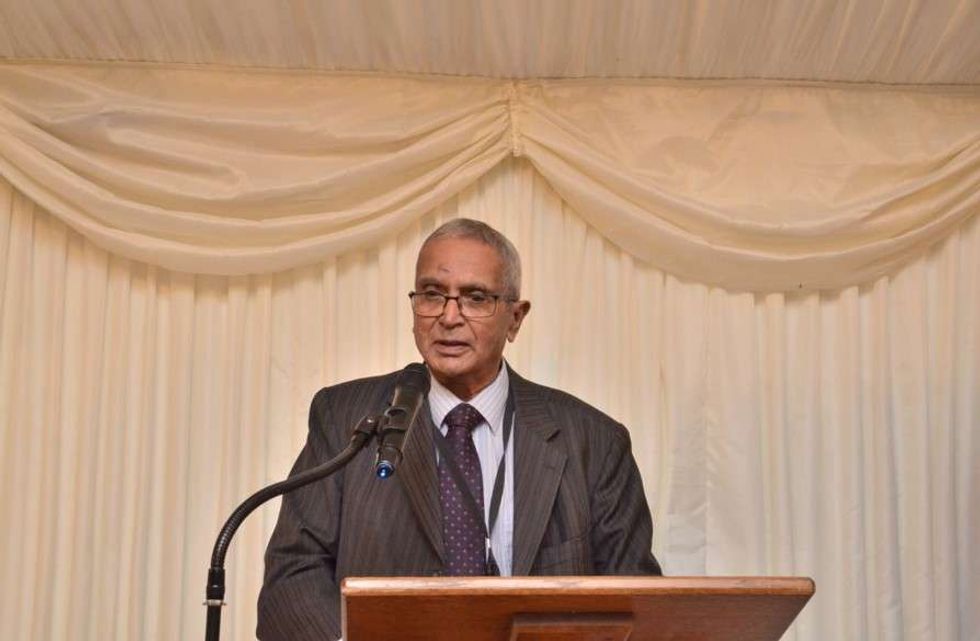 Lord Dholakia
“In many ways, I have followed in the footsteps of Dadabhai Naoroji, who came initially for business to the UK,” said Bilimoria, founder of Cobra Beer.
“He was also an academic as a professor at Elphinstone College and, of course, he was a politician – the first Indian, first ethnic minority ever to be elected to this Parliament,” he added.
India’s high commissioner to the UK, Vikram Doraiswami, reflected on Naoroji’s legacy and the Parsis in both India and the UK.
“The Parsi community has the distinction of perhaps being one of the smallest in India, but having produced a disproportionate number of generals, air marshals and admirals, including chiefs of the three services,” Doraiswami said.
“That comes from the spirit that Dadabhai Naoroji brought with him when he came here (to the UK)… he was not just a businessman, not just an ordained priest, not just an academic, but eventually he also became a politician.
“So, he covered everything, and that, in a sense, is the spirit that the Zoroastrian community have always had. They are polymaths, and they take on with them the notion of integration, of blending in, of being the best representatives possible in anything that they do,” he said.
Former Liberal Democrats cabinet minister Sir Vince Cable pointed to Naoroji’s “drain theory,” one of the first works to highlight the economic drain of British colonial rule in India.
“He was somebody who made a massive contribution to the economic literature and this controversial argument about how much damage did the British empire do to India.
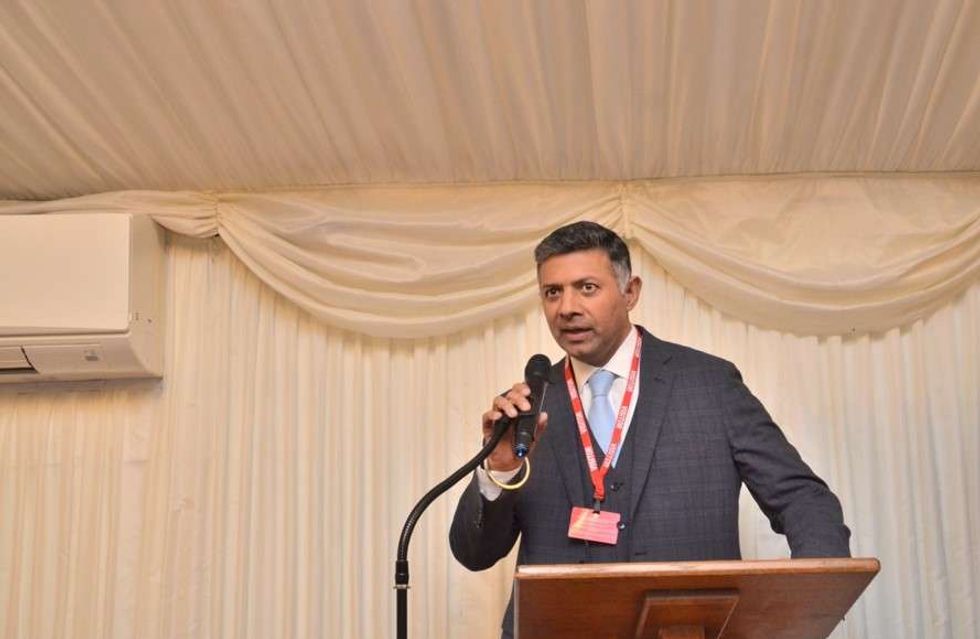 His Excellency Vikram Doraiswami the Indian High Commissioner to the United Kingdom
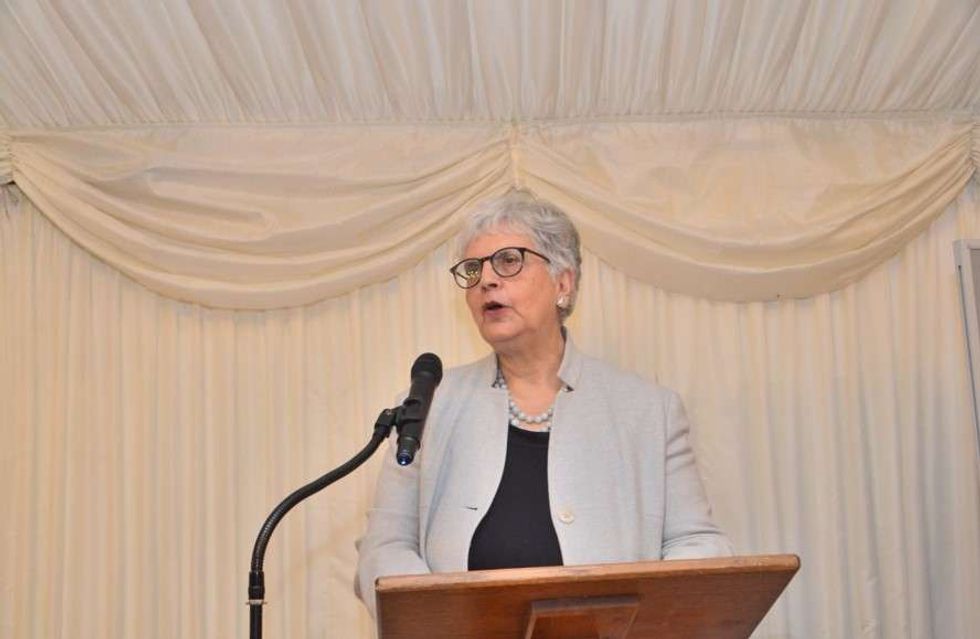 Baroness Prashar
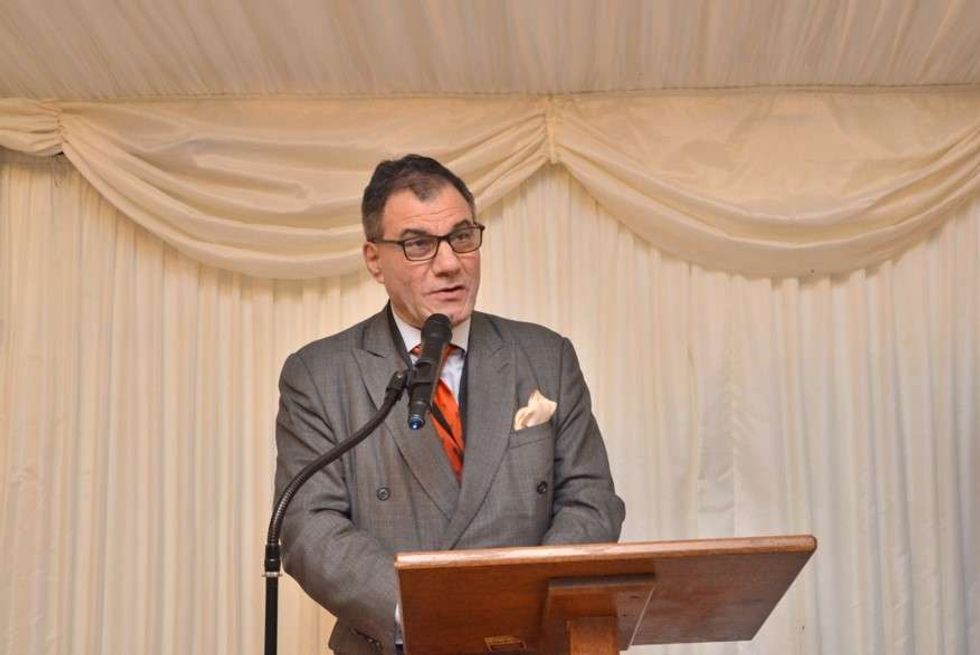 Lord Karan Bilimoria
“There’s a sort of consensus that it was quite a big net negative. But what Naoroji did was to create an economic model to describe this, and the theory behind it was called the ‘drain theory’,” said Sir Vince.
It was in 1886 that Naoroji stood for parliament in the general election as a Liberal candidate for Holborn in London – a Conservative party stronghold.
Then prime minister Lord Salisbury referred to Naoroji’s defeat that year as evidence that the time had not come when “a British constituency would elect a black man”.
In July 1892, Naoroji was elected to the north London constituency of Finsbury Central by a narrow margin of just five votes.
He eventually returned to India in 1907 and died in Mumbai in June 1917.
There was also an exhibition featuring Naoroji’s major milestones in his life and career.