
British war crimes police have arrested a suspect in connection with the 2000 murder of high-profile Sri Lankan journalist Mylvaganam Nimalrajan during the country's brutal civil war, they said on Thursday.
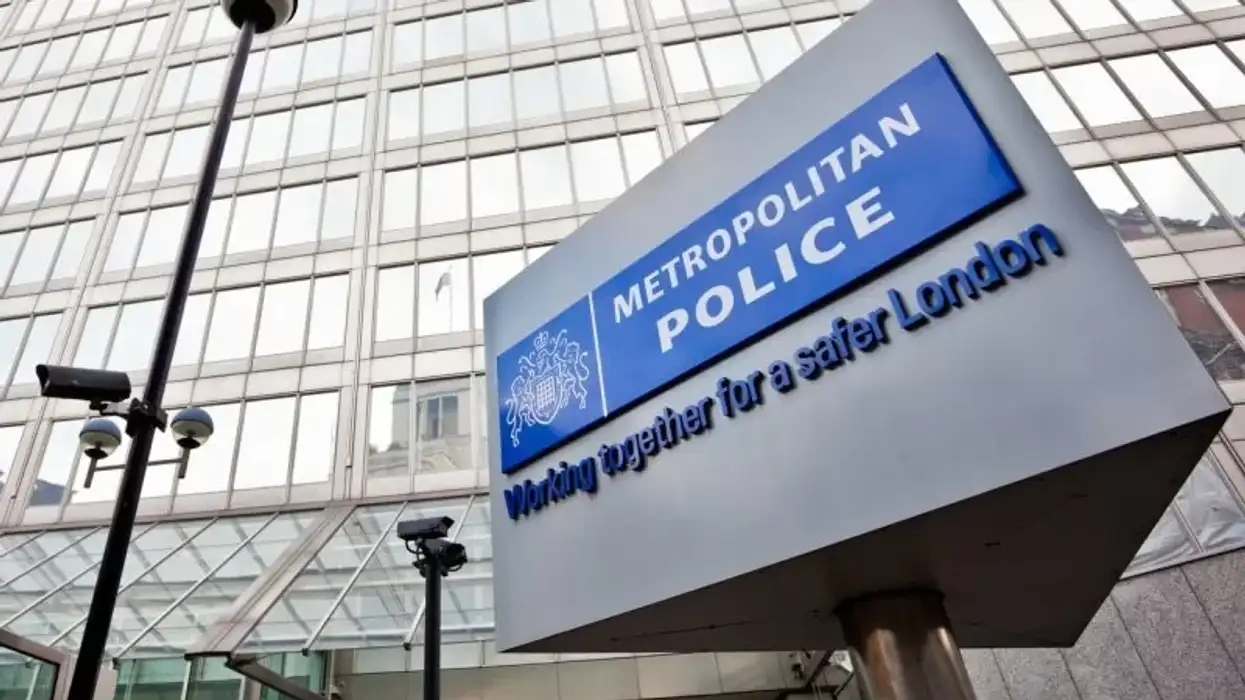
Officers from London's Metropolitan Police War Crimes team arrested a 48-year-old man in Northamptonshire, on Tuesday and subsequently released him "under investigation", a statement said.
Police appealed to members of the Sri Lankan community for any information that might assist the investigation into the murder of Nimalrajan, who was killed by unidentified gunmen at his home in October 2000.
Nimalrajan was a Tamil journalist based in the northern Jaffna peninsula who reported for various news organisations, including the BBC, according to the Committee to Protect Journalists.
He was one of the few sources of independent news from Jaffna, a strife-torn area where journalists were rarely allowed free access during the 37-year conflict, the CPJ said.
"This is a significant update in what is a sensitive, complex investigation," said the Met's Richard Smith.
More than 100,000 people are estimated to have been killed in the Sri Lankan civil war pitting the Tamil minority against the Sinhalese majority, which ended in 2009.
International rights groups and UN estimates place the number of Tamil civilians killed by government forces in the final months of war at about 40,000, a figure disputed by Colombo.
Under the UK's "no safe haven" policy, British police can investigate anyone who may fall under the UK's jurisdiction and who is suspected of committing war crimes, crimes against humanity, genocide or torture anywhere in the world.