
Highlights:
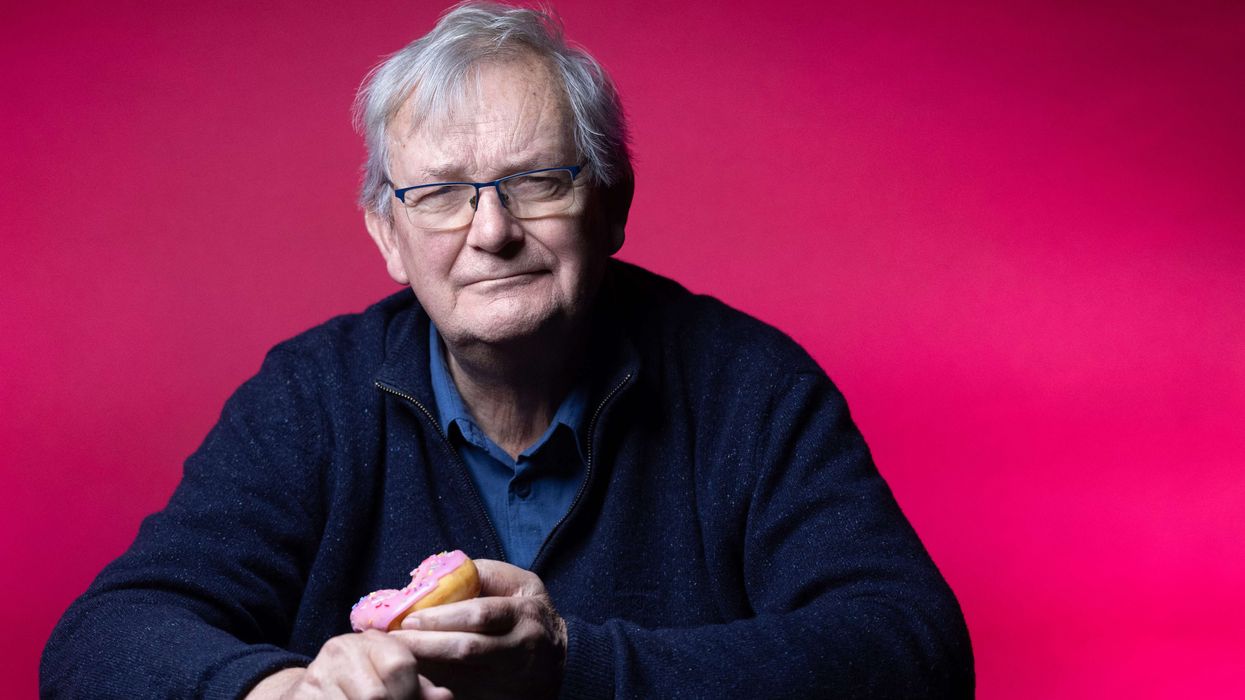
- Martin Parr, acclaimed British photographer, died at home in Bristol aged 73.
- Known for vivid, often humorous images of everyday life across Britain and India.
- His work is featured in over 100 books and major museums worldwide.
- The National Portrait Gallery is currently showing his exhibition Only Human.
- Parr’s legacy continues through the Martin Parr Foundation.
Martin Parr, the British photographer whose images of daily life shaped modern documentary work, has died at 73. Parr’s work, including his recent exhibition Only Human at the National Portrait Gallery, explored British identity, social rituals, and multicultural life in the years following the EU referendum.
For more than fifty years, Parr turned ordinary scenes into something memorable. He photographed beaches, village fairs, city markets, Cambridge May Balls, and private rituals of elite schools. His work balanced humour and sharp observation, often in bright, postcard-like colour.
He also focused on British Asian communities. Parr photographed Bhangra dancers in Edinburgh, Sikh elders in Walsall, and students at Cambridge May Balls, capturing moments that rarely appeared in mainstream British photography. These images showed dignity and character, even in playful or chaotic settings.
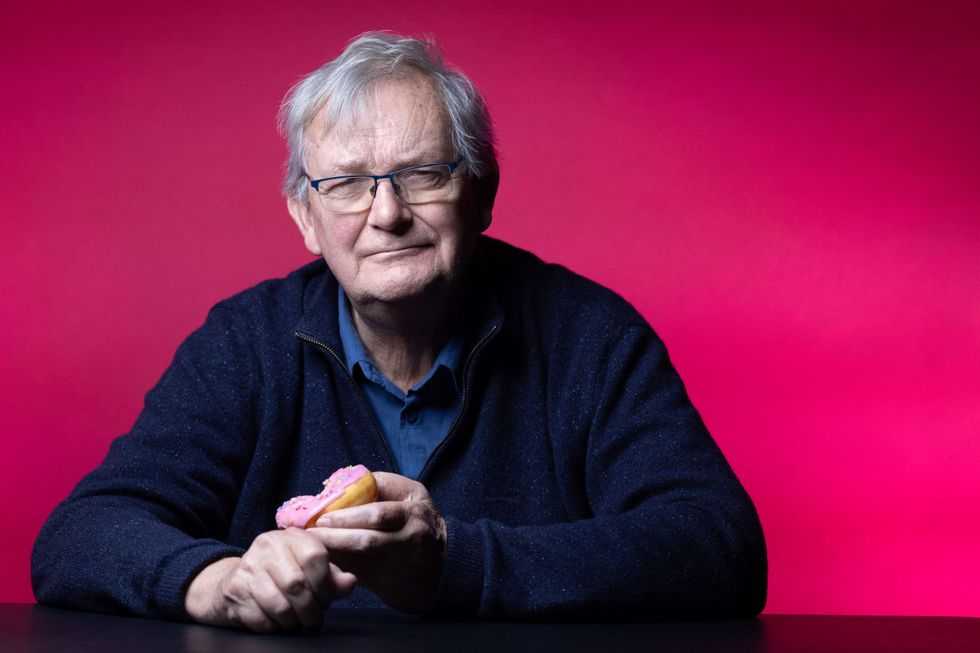 Martin Parr death at 73 marks end of Britain’s vivid chronicler of everyday life Getty Images
What Only Human shows about contemporary Britain
The National Portrait Gallery’s exhibition presents previously unseen photographs and short films reflecting Britain after the EU referendum. Parr explored identity, culture, and social class, from Cambridge and Oxford universities to the City of London.
The show includes images of political and elite figures. Among them are David Cameron adjusting his tie before a banquet and portraits of Lord’s cricket ground members. Parr set these alongside everyday citizens, highlighting contrasts in British society.
Exhibition curator Philip Prodger described it as “provocative, surprising and ultimately uplifting,” while NPG director Dr Nicholas Cullinan said it contributes to debates on what it means to be British today. The exhibition runs until 27 May.
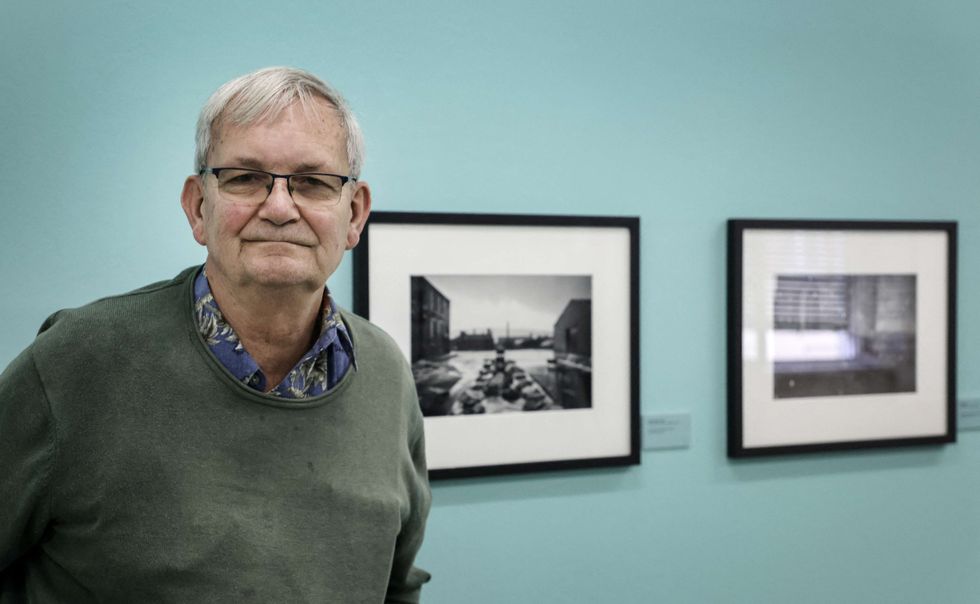 Martin Parr poses for a photo during the opening of his exhibition Early Works" at the Fotografie Forum Frankfurt" in FrankfurtGetty Images
Travels to India and eye for detail
Parr spent time photographing India over several decades. His book Martin Parr in India: 1984–2009 showed photos from Delhi, Jaipur, Agra, Lucknow, and Kerala. Parr told travellers not to take the usual beach or sunset shots. He wanted them to capture real moments instead. Many images show locals next to tourists. These trips shaped how he looked at life, humour, and society through photography.
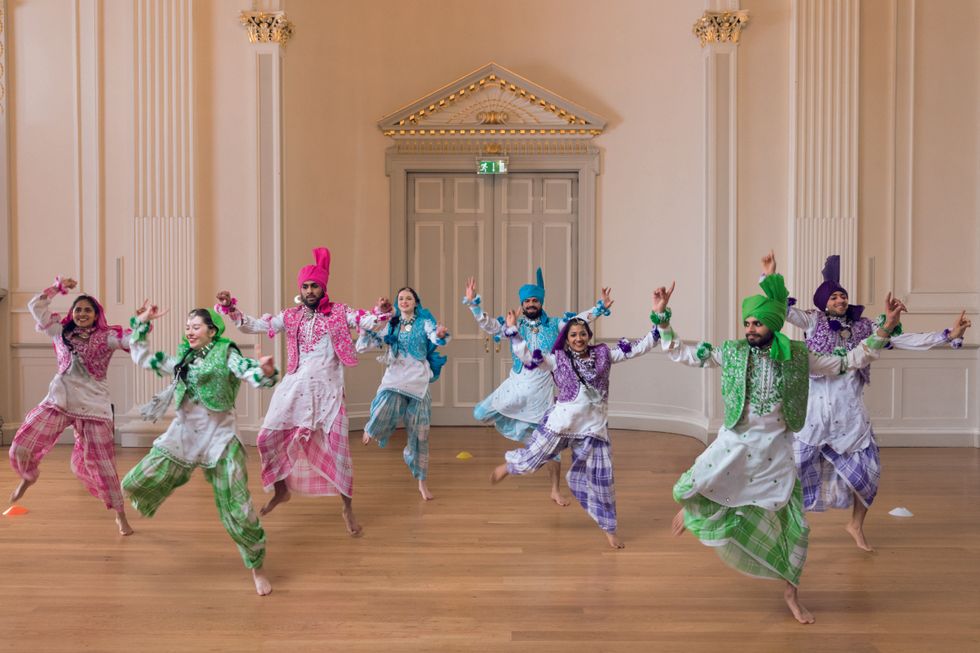 064-5 Bhangra - Photos Bhangra dancers, Assembly Rooms, Edinburgh, Scotland, 2017, commissioned by BBC One. Martin Parr / Magnum Photos / Rocket Gallery
Legacy and recognition
Parr was a long-time member of Magnum Photos and later became its president. His photos are in MoMA in New York, Tate in London, and the Centre Pompidou in Paris. He published over 100 books and received a CBE in 2021.
Colleagues remembered him for his humour and sharp eye. Diane Smyth, editor of the British Journal of Photography, called him a “giant of post-war photography.” Friends spoke of early-morning calls, spotting small stories, and his loyalty.
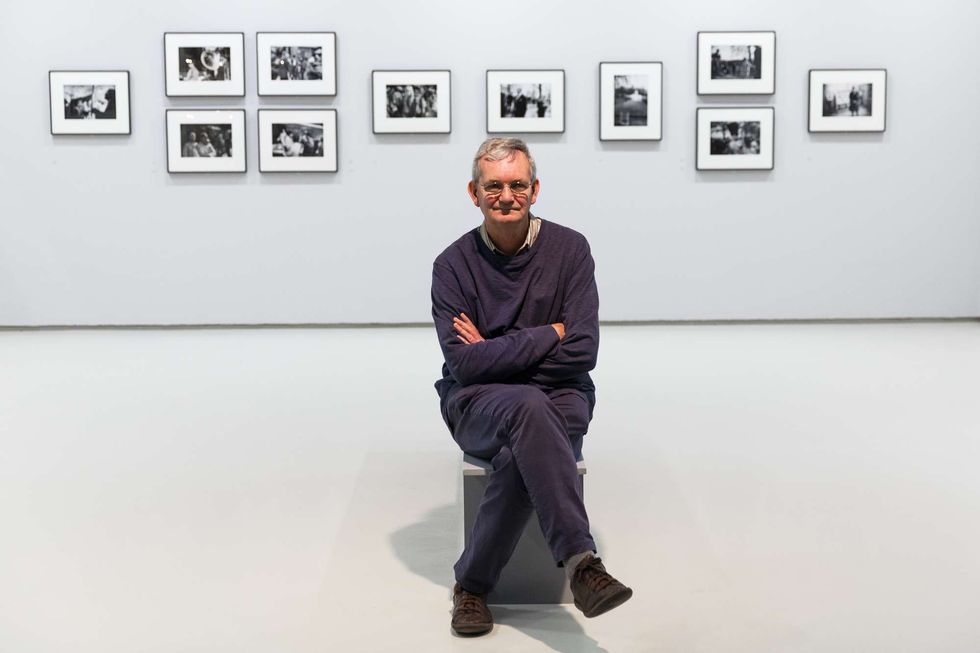 Martin Parr dies at 73 after capturing British elites, Asian communities, and post-Brexit BritainGetty Images
The Martin Parr Foundation will keep his archives and share his work. Parr said he wanted to show the world as he saw it, serious but playful. His photographs are now a clear record of modern British life, ordinary and extraordinary, for the future.