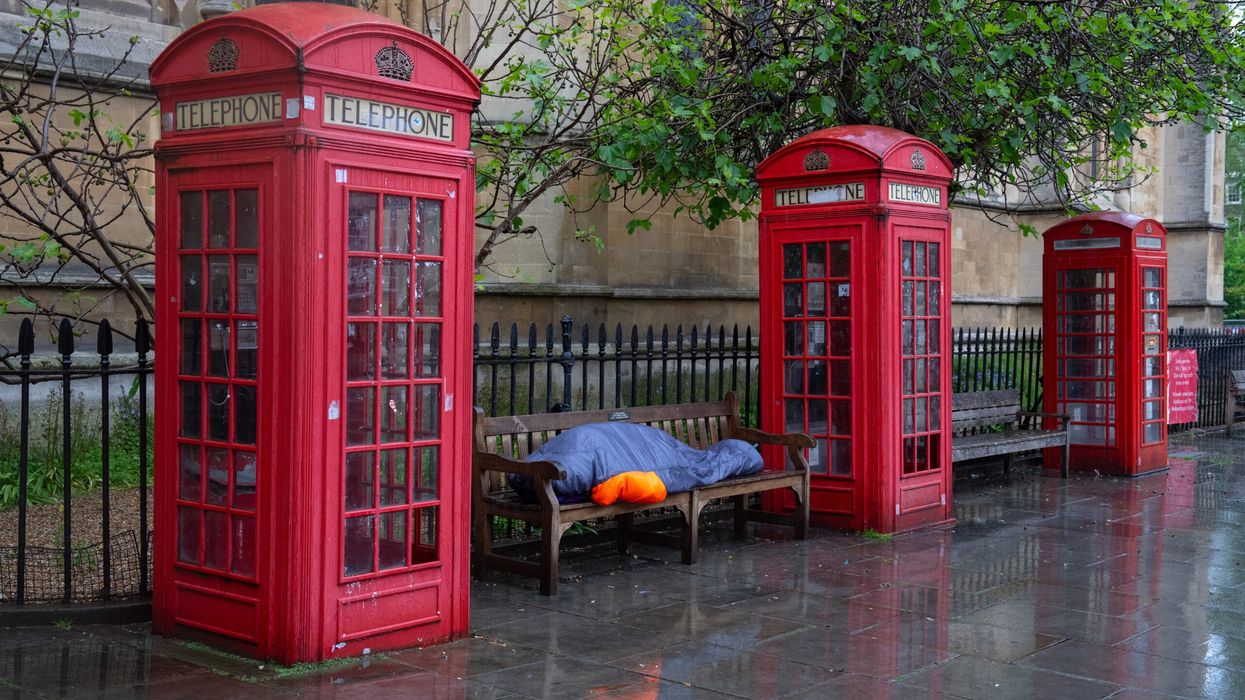

The number of people sleeping on the streets of London has reached a record high of nearly 12,000, according to figures released on Thursday.
This rise is attributed to the UK's cost-of-living crisis.
In the year to March, 11,993 people were reported to be rough sleeping in London, an increase of 58 per cent over the past decade.
Homeless Link, the organisation for groups dealing with homelessness in England, reported this as the highest annual number recorded.
In 2013-14, the figure was 7,581.
Rick Henderson, Homeless Link's chief executive, described the numbers as "appalling." He urged the government elected in the July 4 general election to create a cross-party plan to address the issue.
Henderson emphasised the need for "genuinely affordable and secure homes" and well-funded services to help people move on from rough sleeping permanently.
Mimi Hassan, an administrator at Health E1, a medical centre for the homeless in east London, noted an increased demand for services in recent months.
However, she mentioned the lack of political attention to the issue during the election campaign. "We are helping as much as we can," Hassan told AFP. "But how much can we do?"
According to Homeless Link, UK nationals account for 45 per cent of those sleeping rough.
Nearly a third come from Africa, Asia, the Americas, and Australasia, while about a quarter are from Europe.
Homelessness charity Crisis described the figures as "deeply shameful" and stressed the need for the next government to address the crisis.
Charities and campaigners have long advocated for the construction of 90,000 social rent homes annually.
(AFP)



