
THE BBC will no longer need to fight for its survival every ten years after the government announced it will be granted a permanent royal charter.
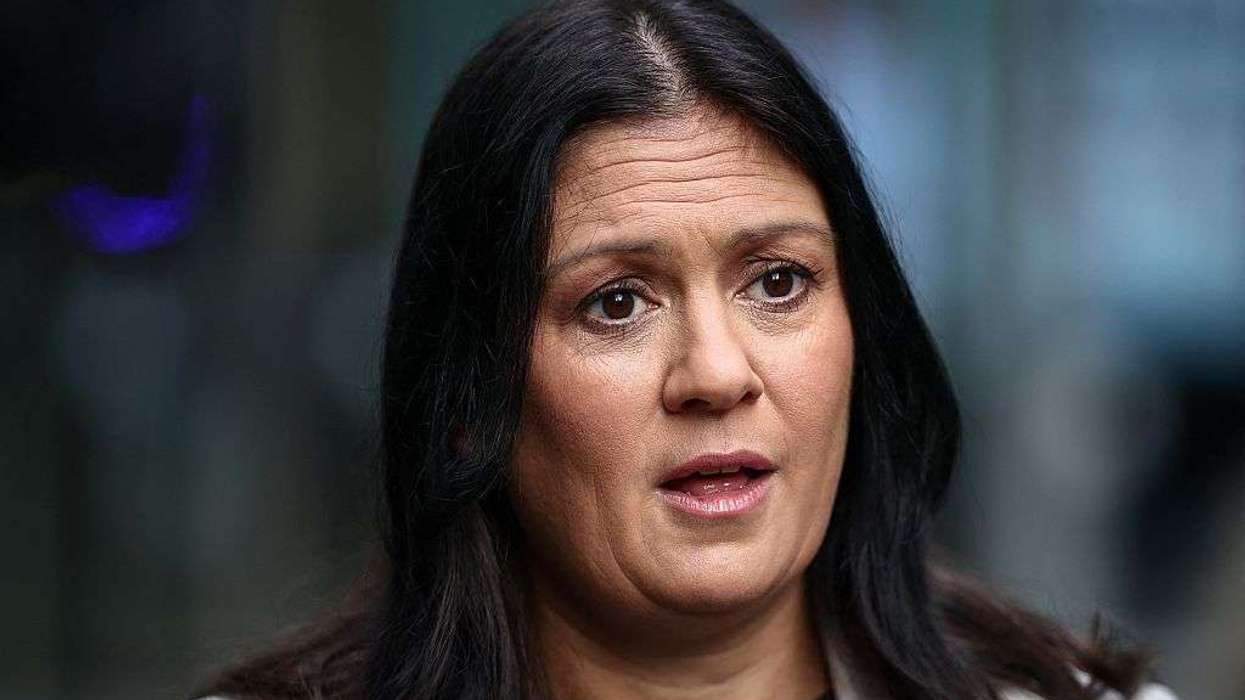
Culture secretary Lisa Nandy made the announcement on Tuesday (17), saying it was time to end what she called the "bizarre situation" in which the BBC could cease to exist if its charter was not renewed on time, reported the Times.
Speaking at the Society of Editors conference in London, Nandy said the current system, which requires the BBC to justify its existence roughly every decade, would be scrapped. The BBC would instead be placed on the same footing as institutions such as the Bank of England and the British Film Institute, which hold permanent charters.
"For too long we have ducked the big questions when it comes to the future of the BBC, so this will be the last charter of its kind," she was quoted as saying.
"If the NHS is essential to the health of our people, the BBC is essential for the health of our democracy. We should seek to end the bizarre situation where if the charter is not agreed in time then the BBC ceases to exist. We would not accept this for the NHS, and we should not accept it for the BBC."
Nandy said the move was partly driven by the need to protect public debate at a time of growing division. "Too often the BBC becomes a lightning rod for the ongoing, exhausting culture wars," she said.
Under the current system, the BBC is required to make the case for its own existence as part of each charter review, leaving it under what BBC chairman Samir Shah has called "almost perpetual" government scrutiny, a set-up he described as "really odd".
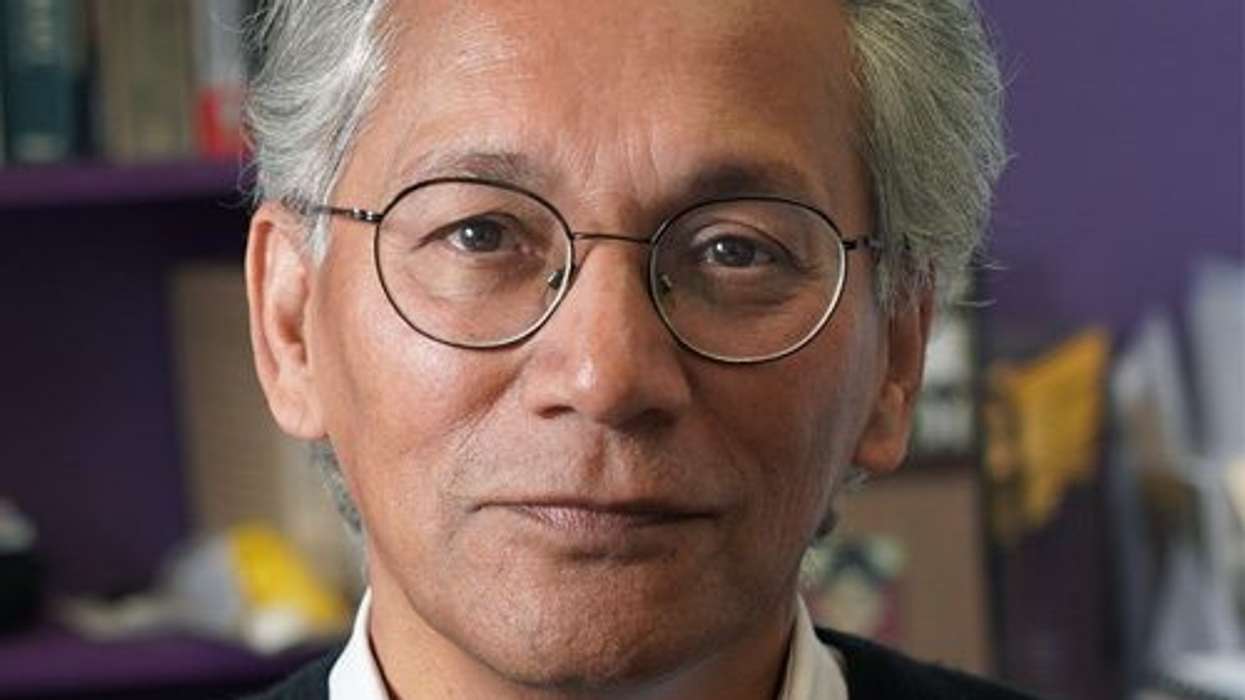 Dr Samir Shah Dr Samir Shah
The announcement came days after the BBC submitted its response to a government green paper on its future. In that submission, the corporation warned that the existing arrangement created an "existential threat", where the public could lose its national broadcaster due to government "inaction or apathy" rather than any deliberate decision.
While the permanent charter would remove that threat, the BBC's funding and the terms under which it operates would still be reviewed periodically. In return for the greater security, Nandy said the corporation would be expected to become more transparent and accountable to the public it serves.
"Those at the very top of the organisation will be expected to answer to the people that they are tasked to represent," she said.
She added that this would include placing more BBC programme commissioners outside London and giving staff greater ability to raise concerns about leadership.
The move was welcomed inside the corporation. "This feels a significant and welcome step to move the debate on from simply whether the BBC should exist, to what we can deliver in the future and how we do it," said one insider.