Highlights:
- Liam Neeson says he is not anti-vaccine
- The film draws on a book by Judy Mikovits
- Neeson’s representatives stress he did not shape the film’s content
- Clips from the documentary promote fringe vaccine theories criticised by scientists
- The actor has long backed global immunisation through his UNICEF
Liam Neeson has stepped into a storm not of his own making, pulled in by a vaccine debate tied to a documentary controversy he only narrates. The actor’s name is now attached to Plague of Corruption, a film built on claims that scientists and medical agencies have already challenged. His team says the link is misleading, stressing that Liam Neeson remains firmly pro-vaccine and did not shape a single line of the film’s message.
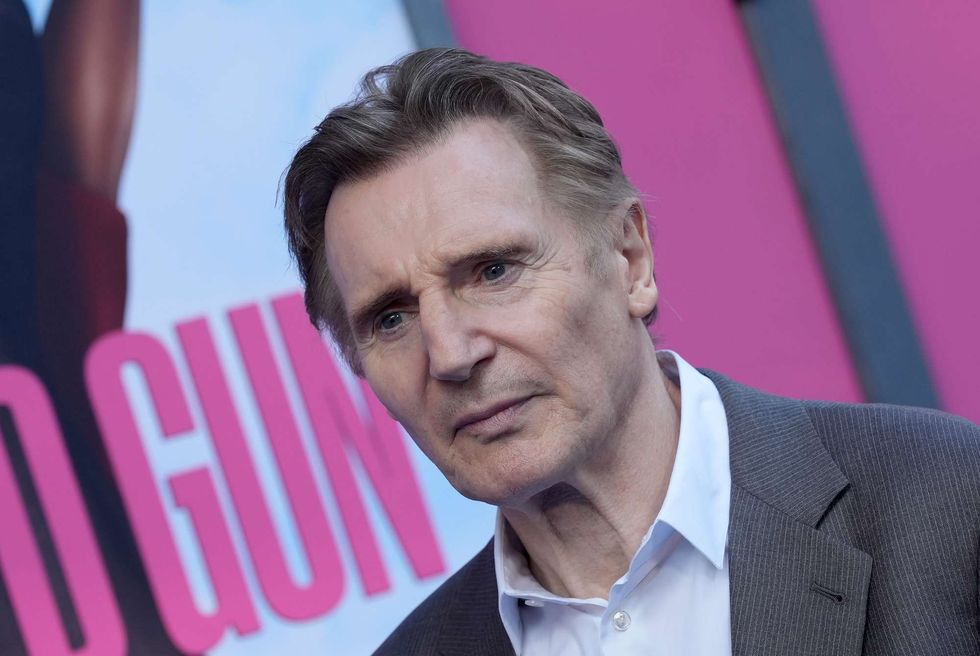 Liam Neeson photographed during a public appearance before the debate grew. Getty Images
Why Liam Neeson is answering questions over the documentary
The film is based on a book by Kent Heckenlively and Judy Mikovits. Both names come with long histories in these arguments. Mikovits became known during the Covid years for statements rejected by medical bodies. The film repeats some of those ideas. It also features Robert F Kennedy Jr, now a central figure in vaccine politics.
Neeson’s role, according to his representatives, was voice work and nothing more. They said he has always supported immunisation programmes and pointed back to his years with UNICEF. That part of his record is long and public.
How the film pushed the vaccine debate into Neeson’s corner
Clips from Plague of Corruption made their way onto social media. In one, Liam Neeson is heard calling mRNA vaccines “dangerous experiments”. Another section speaks of institutions demanding “unconditional submission”. These are not his personal views, his representatives said. The language belongs to the filmmakers.
Scientists have already dismissed the claims at the centre of the documentary. The autism link. The idea that Covid vaccines were rushed without proper testing. All of it has been rebutted in studies published across the last few years.
Once those lines began circulating, Neeson’s past statements resurfaced. A 2022 UNICEF message where he praised vaccines as “a remarkable human success story” returned across timelines. It showed a clear contrast, which may be why his team moved fast.
Why the documentary controversy caught on so quickly
The film is available only through RSVP livestreams run by its producers. That limited access has not prevented debate. Its promotional clips carry sharp claims about public institutions, pharmaceutical companies and political figures.
Michael Mazzola directs the project. His earlier work includes UFO-themed documentaries. The book’s co-author, Heckenlively, has been linked to conspiracy-driven outlets and past legal cases. Those details alone drew attention before anyone heard Neeson’s voice.
Once his narration appeared, the story grew. Industry watchers pointed out that scripts for narrators are often finalised late and may not fully reflect the finished cut.
Where Neeson leaves it
For now, Liam Neeson stands by his long-held position. He supports vaccines. He supports global immunisation efforts. His team says any questions about the documentary’s message must be directed at its producers.