
A MAJORITY of voters wrongly believe that immigration is rising, despite official figures showing a sharp decline, according to a poll by a UK charity. The findings highlight a widening credibility gap for the Labour government over its handling of migration.
Net migration to the UK fell by more than two-thirds to 204,000 in the year ending June 2025, a post-pandemic low, yet 67 per cent of those surveyed thought immigration had increased, reported the Guardian.
Among voters for the Reform party, four in five believed numbers had risen, with 63 per cent saying it had “increased significantly”, the survey by More in Common revealed.
Confidence in the government’s ability to control borders has also fallen. Three-quarters of respondents (74 per cent) said they had little or no faith in ministers on the issue, up from 70 per cent in May 2025. Only 18 per cent expressed confidence, down three points. Labour voters were among the most sceptical, with confidence dropping 17 per cent since last year.
“The Labour government is facing a growing credibility gap on migration. That tells us that numbers alone are not enough. Until that credibility gap closes, Labour’s migration migraine will persist," Luke Tryl, executive director of More in Common, was quoted as saying.
The survey found that 79 per cent of voters want the government to focus on stopping small boats, while just 10 per cent prioritise reducing legal net immigration.
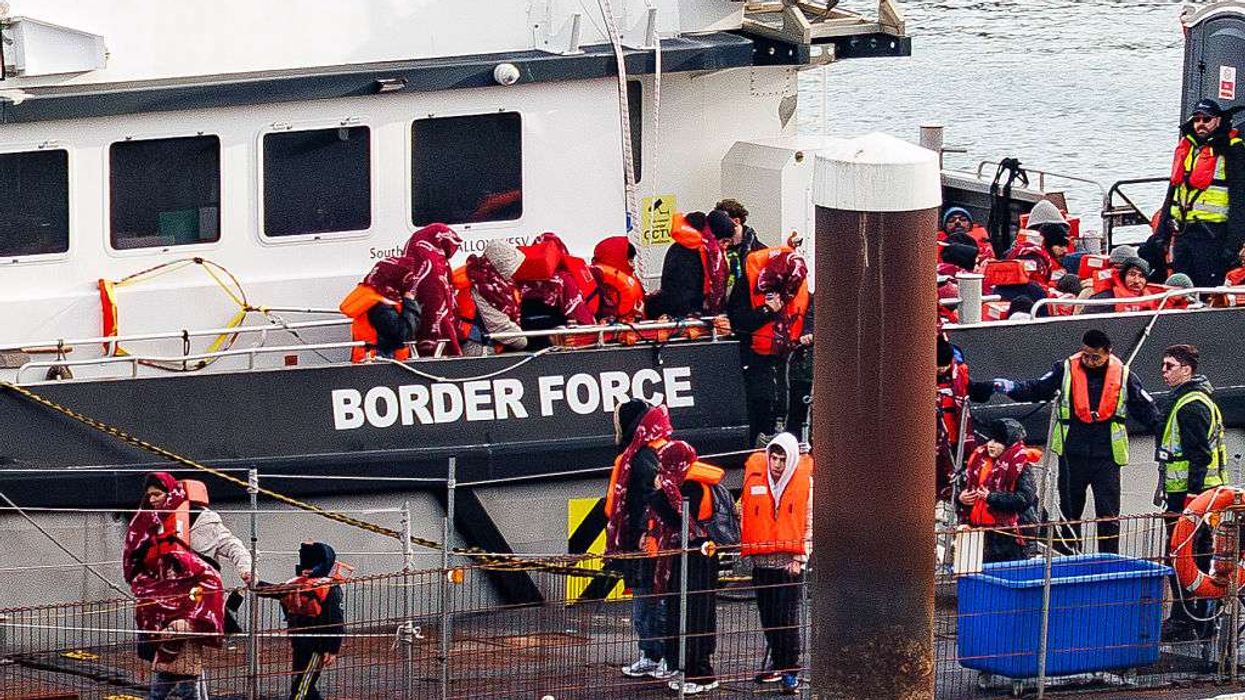
In the year ending June 2025, 43,000 people arrived in the UK on small boats, a 38 per cent rise on the previous year but slightly below the 46,000 peak in 2022. These arrivals made up less than five per cent of overall migration last year.
Also, ONS data revealed that net migration to the UK hit a record high of 944,000 in the year ending March 2023, before dropping by more than two-thirds to 204,000 in the year to June 2025.
Migration minister Mike Tapp said the figures show that Labour’s policies to prioritise British workers and “restore order to the broken immigration system” are succeeding. “Net migration is at its lowest level in half a decade and has already fallen by more than two-thirds under this government,” he was quoted as saying.
Labour MP Kim Johnson warned that the party’s adoption of a hardline stance risks “a rise in racism and a steep decline in work visas,” particularly affecting health and social care.
“The government must present a positive alternative vision that supports the rights and dignity of those who moved to Britain,” she said, adding that failure to do so could benefit parties such as Reform at the ballot box.
Marley Morris of the Institute for Public Policy Research noted: “Labour have been emphasising a tough line on migration to challenge perception, but it’s quite ingrained.”