
Highlights
- Singer discusses the ideas behind her ghazal project Nuqoosh
- Poetry by contemporary Urdu writer Ajay Sahaab shapes the album
- Limaye reflects on the south Asian roots of the ghazal tradition
- She will perform at London’s Royal Albert Hall as a guest at Rahat Fateh Ali Khan’s concert
For singer Kavya Limaye, ghazals have always been more than a musical form. They represent a cultural tradition that has travelled across south Asia for generations, connecting audiences through poetry, melody and emotion.
Her latest project Nuqoosh draws from that heritage while exploring themes that feel relevant today. The collection of ghazals reflects on love, the passage of time and the hope for peace in a divided world. Limaye says the idea was to explore subjects that resonate widely while staying rooted in the classical form.
The release of the project also comes as the singer prepares for a major moment in her career. She is set to perform at the Royal Albert Hall in London as the opening guest for Rahat Fateh Ali Khan, bringing her interpretation of the ghazal tradition to an international audience.
Poetry at the centre of the music
The words in Nuqoosh come from contemporary Urdu poet Ajay Sahaab, whose writing provides the emotional foundation of the album.
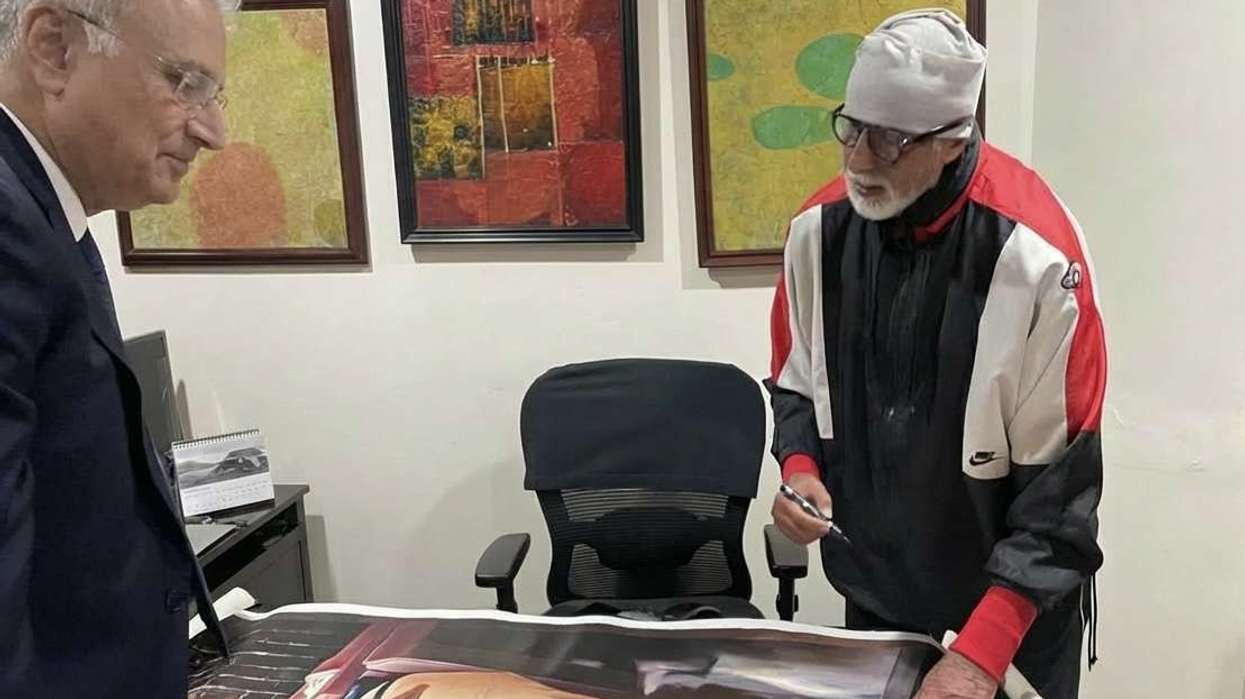
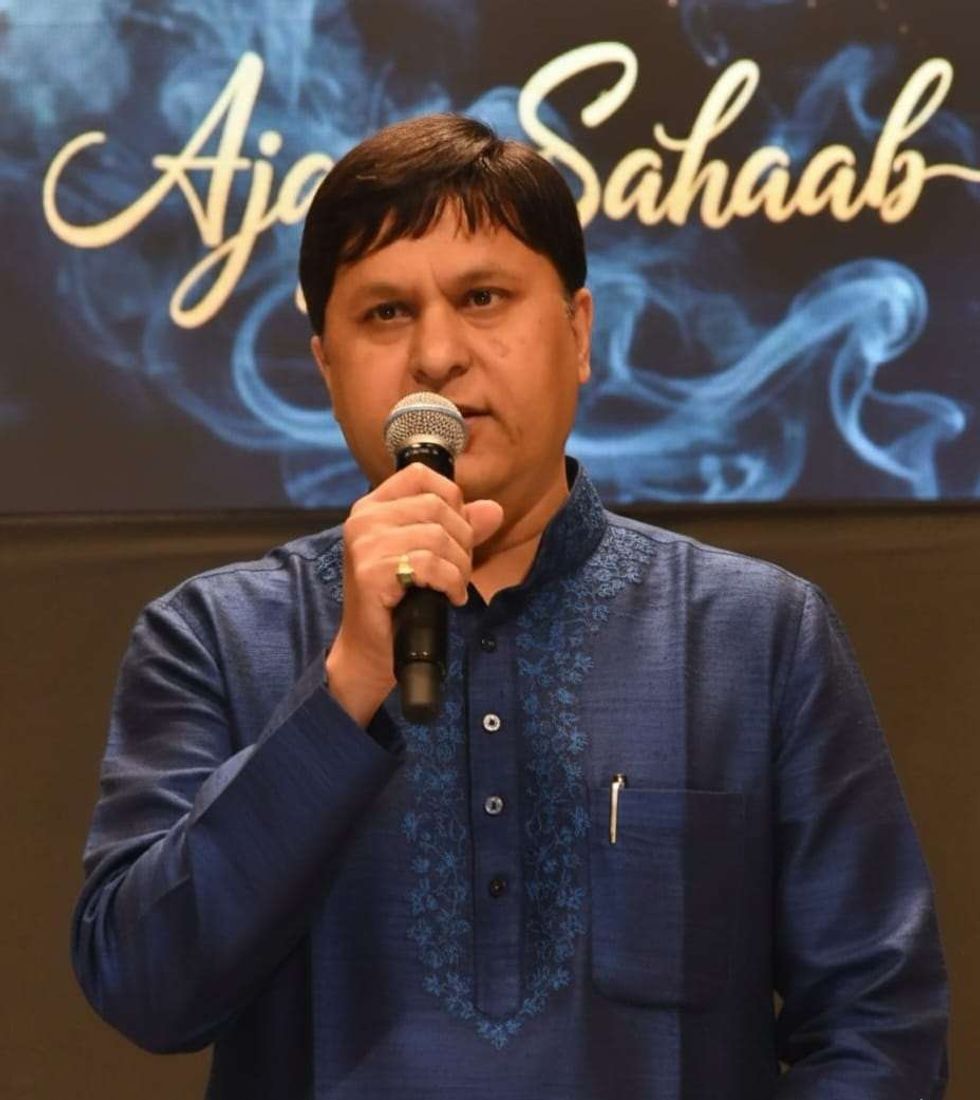 Contemporary Urdu poet Ajay SahaabSufiscore
One of the songs imagines a world without borders, built around the thought of people sharing a single sky rather than living in divided nations. Limaye says the poem stood out for its simplicity and universality.
The composition, created by her father Sachin Limaye, emerged naturally during the creative process. The melody began as a simple idea played on guitar and gradually developed into the version heard in the album. Keeping the arrangement simple helped maintain the clarity of the poetry, which she believes is the most important element of a ghazal.
Growing up within the ghazal tradition
Limaye’s connection to the genre began early in life. Her parents, both musicians, often took her to their performances when she was a child.
She spent many of those years backstage listening to ghazals being performed live. Those early experiences shaped her understanding of how poetry and melody work together, and they continue to influence how she approaches singing today.
The genre itself holds a special place in south Asian cultural history. Ghazals have long travelled across India, Pakistan and the wider diaspora, creating a shared musical space that audiences across the region recognise.
Reaching new listeners
In recent years, younger audiences have begun discovering ghazals through digital platforms. Limaye believes this shift offers an opportunity to introduce the genre to listeners who may not have grown up with it.
For her, the challenge lies in keeping the core elements intact while ensuring the music remains relatable. Clear lyrics, strong melodies and expressive singing remain central to the form, but modern production and arrangement can help make the sound feel contemporary.
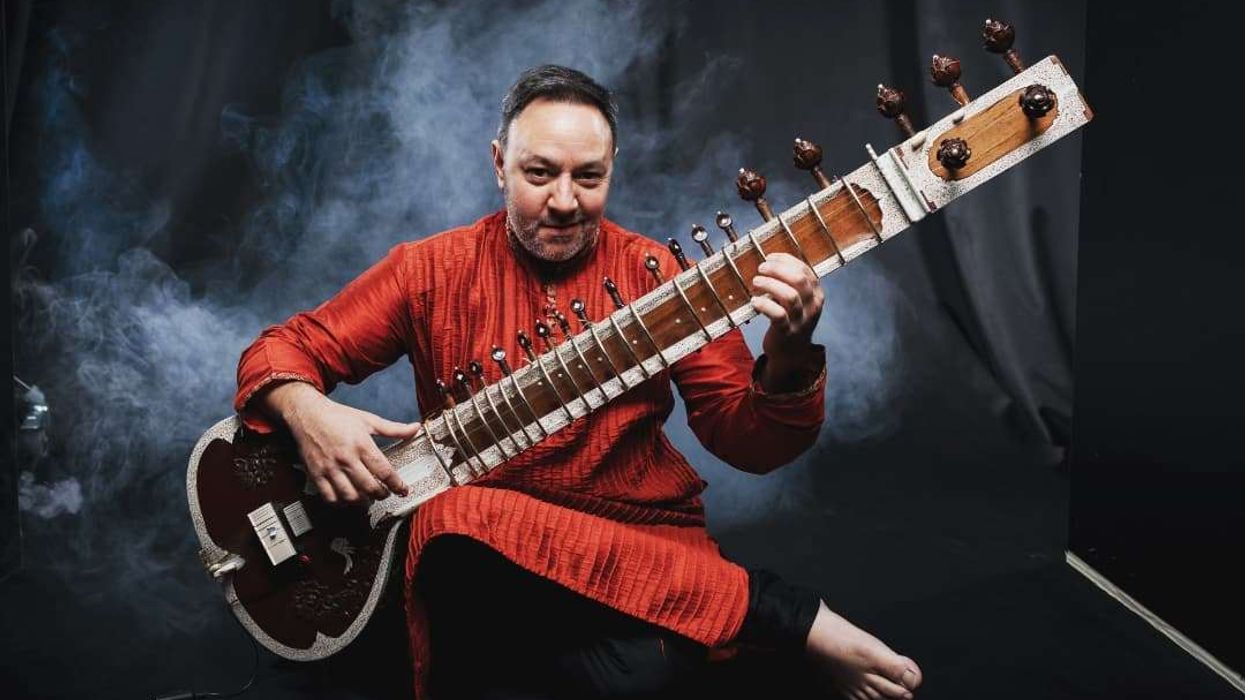
The arrangements on Nuqoosh were shaped with this balance in mind. Subtle instrumental textures from collaborators such as the Leo Twins bring a modern sonic layer without overshadowing the poetry.
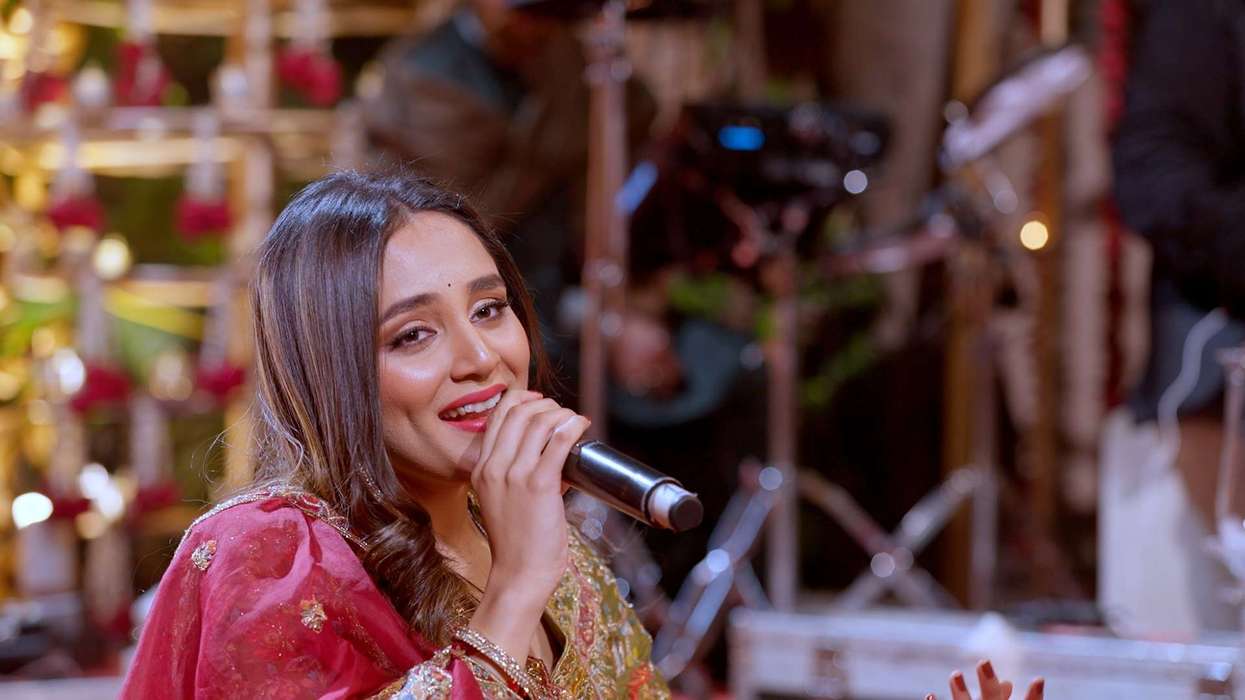
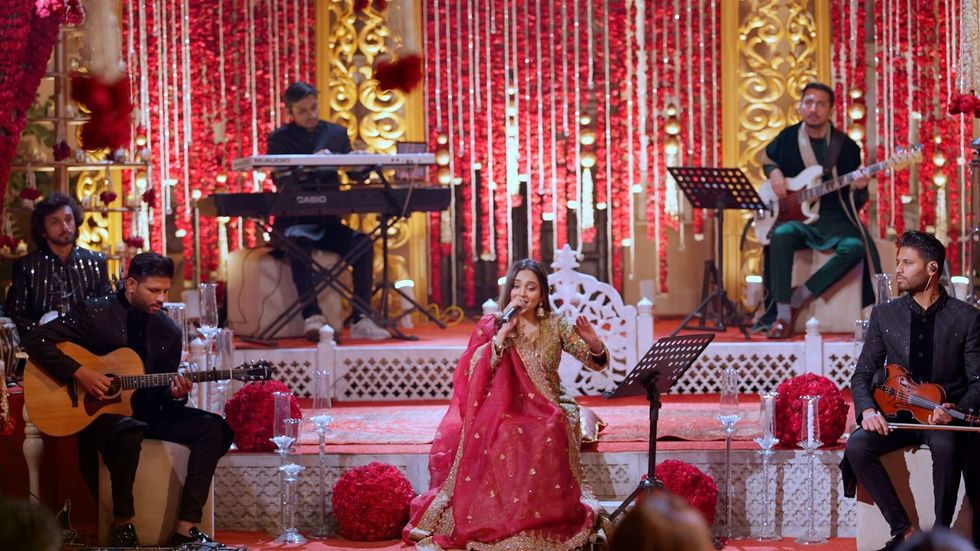 She believes ghazals can continue reaching new listeners around the worldSufiscore
A shared south Asian musical voice
As she prepares to perform at the Royal Albert Hall alongside Rahat Fateh Ali Khan, Limaye sees the moment as part of a wider cultural journey for ghazals.
For decades, the genre has crossed political and linguistic boundaries within south Asia. The music continues to connect audiences who may speak different languages but recognise the emotion carried in the voice and melody.
With Nuqoosh, Limaye hopes to contribute to that ongoing story. By keeping poetry at the centre while embracing evolving musical sounds, she believes ghazals can continue reaching new listeners around the world.