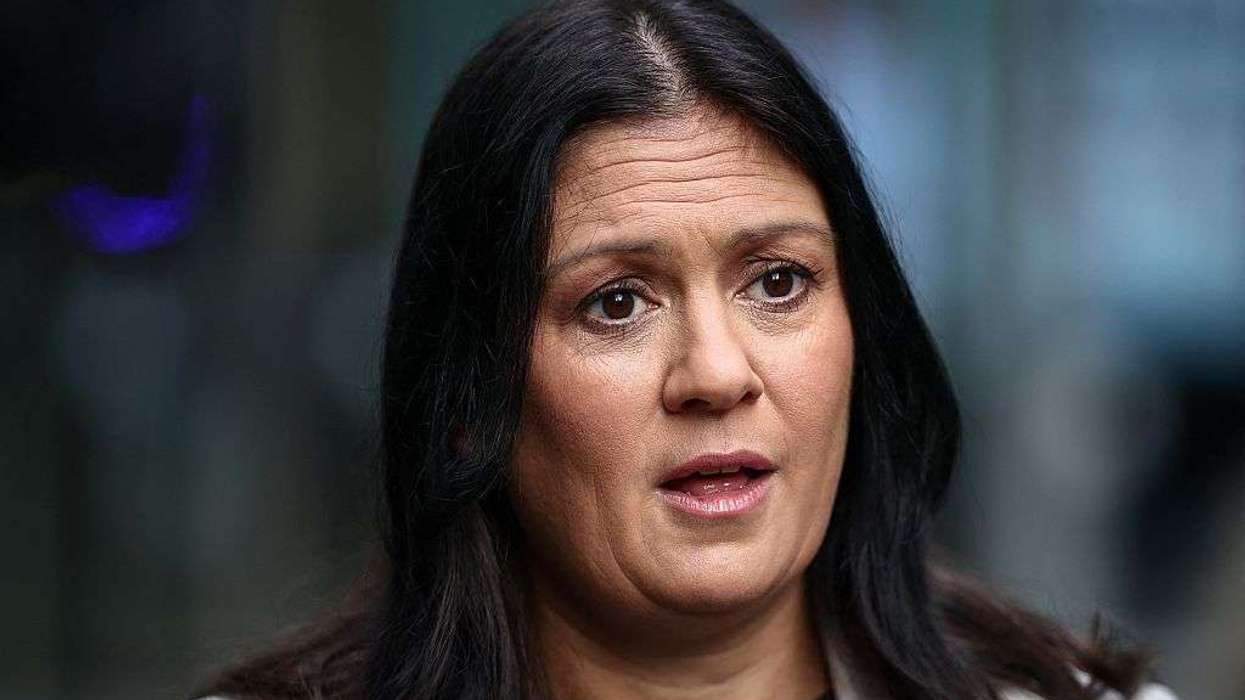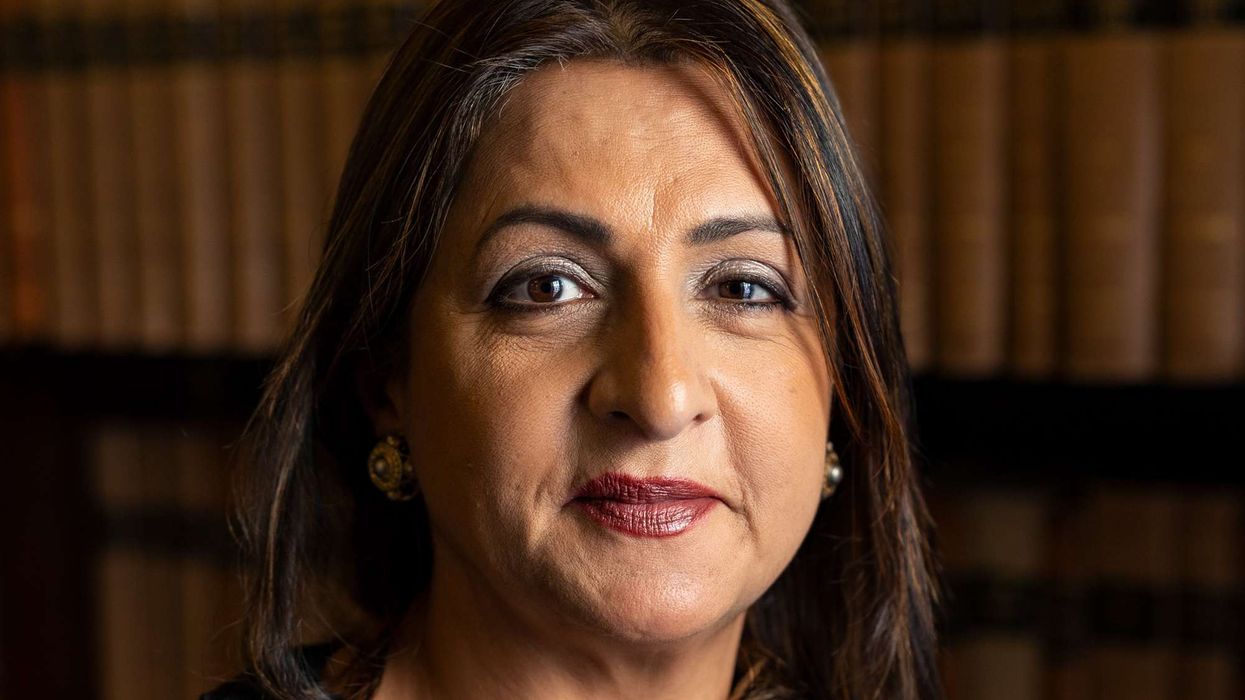

A COLLABORATIVE approach can help tackle honour-based abuse, female genital mutilation and forced marriage and related hidden crimes, a prominent prosecutor has said.
Jaswant Narwal, the CPS chief crown prosecutor for London North, highlighted patterns such as bridal abandonment, dowry and immigration-related abuse, and increasingly, the use of social media and technology to carry out crimes.
She told Eastern Eye, “Victims of honour-based abuse often suffer in silence, trapped by fear and loyalty, and terrified of speaking out against those closest to them. These crimes are not only hidden, they are also evolving, and that is why we need to bring stakeholders and partners into the room to work out what we’re getting right, and what we need to address better.”
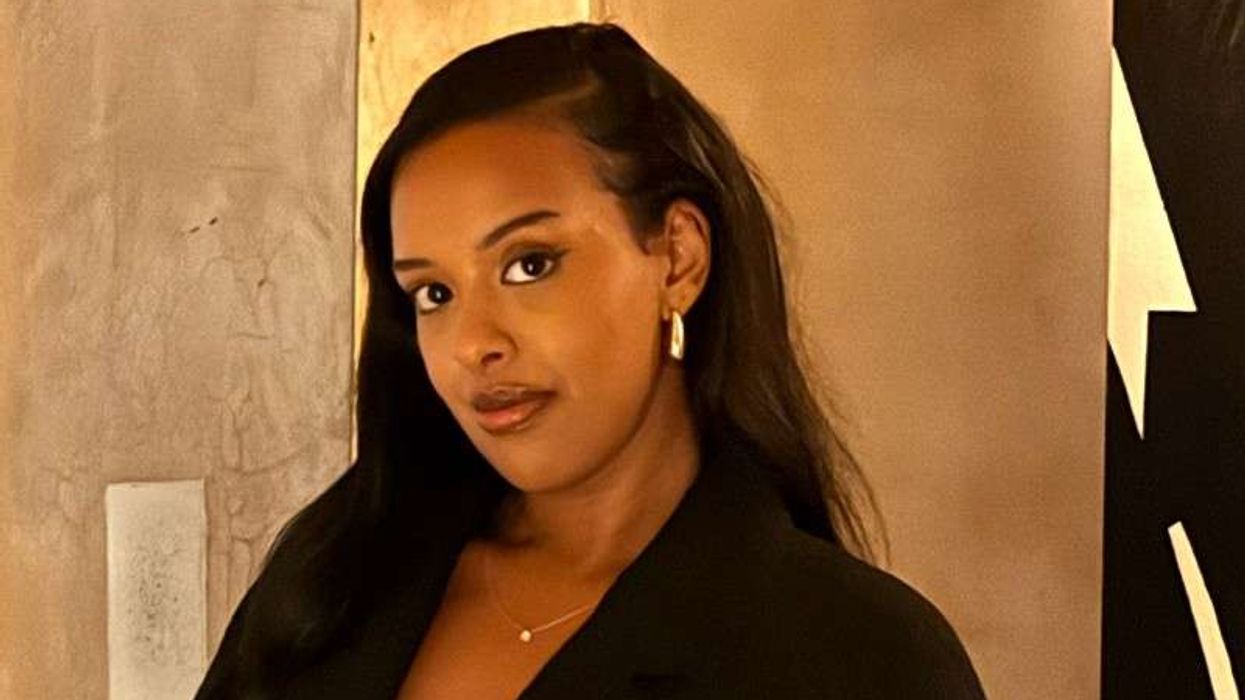 Nasima Abukar
A first-of-its-kind national scrutiny panel, held last Tuesday (9), brought together victims’ groups, women’s organisations, prosecutors, police officers and specialist NGOs to examine real cases and discuss the challenges in reporting, investigating and prosecuting honour-based abuse.
The panel was part of the CPS’s wider violence against women and girls strategy; it aimed to identify lessons that could strengthen how these complex cases are handled across all agencies.
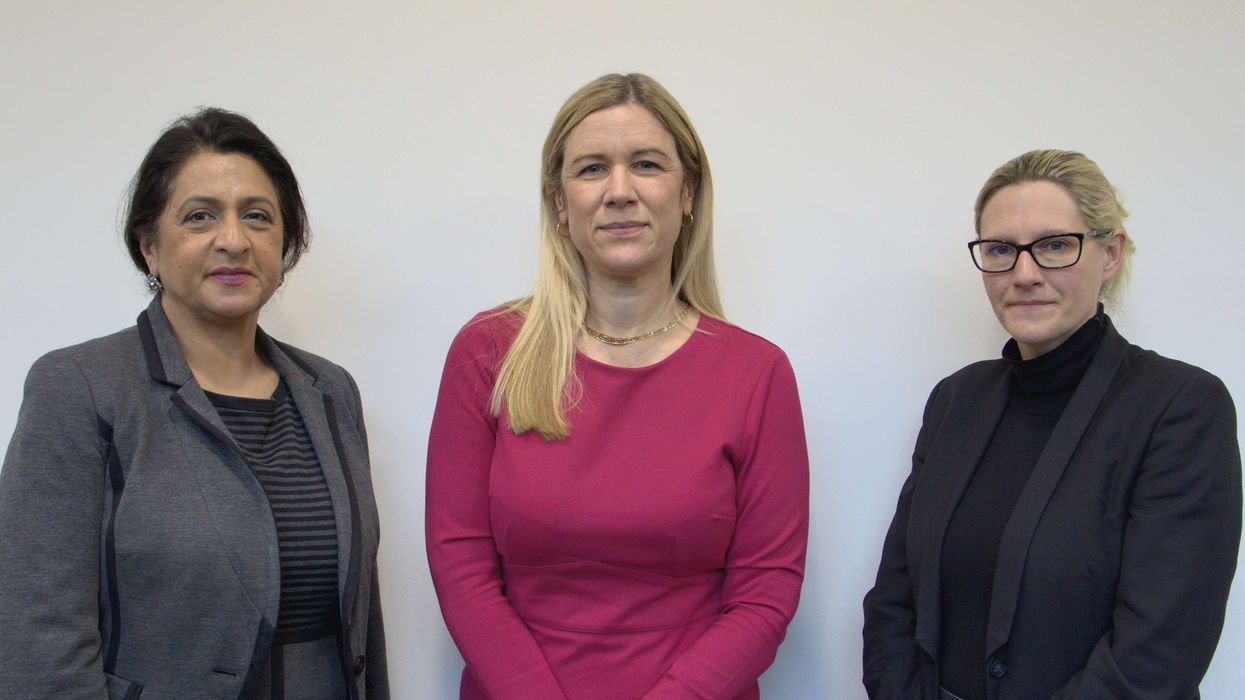 Narwal, Ellie Reeves MP and Emma James
Attendees examined several prosecuted cases to understand what could have been done differently and how outcomes affected victims and witnesses. Narwal stressed that no single agency could address the issue of under-reporting alone, and said it was essential to build trust and confidence among victims willing to see cases through to prosecution.
Nasima Abukar, campaigns and communications manager at Iranian and Kurdish Women’s Rights Organisation (IKWRO), said the panel provided an important opportunity to share insights gathered from working direct with survivors.
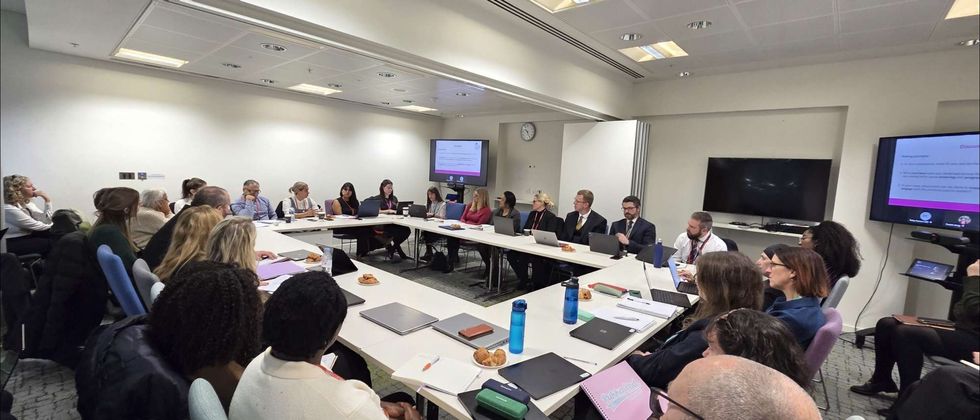 The first national honour-based abuse scrutiny panel held last Tuesday (9)
She said, “Recently, there’s been a significant increase in digital online platforms. They’re being increasingly used as tools of control associated with HBA: monitoring social media activity, pressuring women to act a certain way within community expectations or even using online accounts and platforms to abuse and intimidate them.”
Abukar said this could significantly increase the pressure and risks faced by victims. She also highlighted a positive trend: an increase in disclosures from younger women and girls. “This suggests and speaks to perhaps growing awareness and a willingness to seek help, and also probably early identification from professionals,” Abukar said.
Narwal explained how bridal abandonment was emerging as a significant pattern, “where women are married from the subcontinent or elsewhere, brought over (to the UK), and they’re treated like domestic slaves, taken into servitude”.
“They’re here on a spousal visa, they’re not here permanently… there’s a threat: if you don’t behave in this way, and if you leave, you’re going to embarrass the family.”
Immigration-related abuse was particularly insidious, Narwal said, adding that perpetrators used the visa status of victims as a tool of coercion and control.
The panel also heard about the growing use of digital platforms, with perpetrators threatening to disclose photographs, including personal or sensitive images, to shame victims on social media.
Asked if there were patterns among different religious groups, both Narwal and Abukar agreed that honour-based abuse transcends such boundaries.
“That’s very difficult to say. It varies and is different, but largely it’s the same, because I think the central tenet here is honour, the concept of so-called honour,” Narwal said.
Abukar said, “The patterns of HBA remain the same throughout all minority groups. It’s the dynamic. What HBA entails is coercion, control and abuse.”
Narwal said prosecutors are seeing an increase in honour-based abuse cases involving male victims, particularly within minority communities.
“If the brothers have been asked to control violently or emotionally or attack their sister because the sister is going out, she’s too westernised, and they refuse to do that, then they are being abused and assaulted for not complying with the family,” she explained.
The prosecutor also highlighted cases involving victims of different sexual orientations. “If boys are not declaring they’re gay, but they are, the family may find out, and they think, ‘If I have a son who is gay, then that’s really shameful.’ They will try and force them into marriage,” Narwal said.
Another concerning pattern involves those with physical or mental health issues being forced into marriage. “It may be someone marrying an older man. She’s a younger female victim,” Narwal noted, adding that while such cases don’t frequently reach the CPS, they are more commonly seen by specialist organisations.
Addressing how the CPS approaches prosecution while being mindful of cultural sensitivities, Narwal was unequivocal that cultural or religious considerations should never obscure criminal behaviour.
“There are lots of sensitivities about the case, and there has been sometimes some hesitancy about looking at some of these cases, because it’s shrouded in culture or religion. But if you take that away, you must look to see what’s happened, and it’s usually a woman has been assaulted, or she’s been abused, sexually abused, or she’s being controlled in some way. That’s illegal, and it’s an offence,” she said.
Narwal also warned that cultural and religious sensitivities are sometimes used as excuses to prevent authorities from investigating.
“The police may arrive at the scene and the family say, ‘No, it’s a personal matter. It’s nothing to do with you. It’s just a cultural matter,’” she said. “If that police officer doesn’t understand that actually, ‘I’ve got to be curious, I’ve got to ask questions here, what is going on,’ and try and develop a picture, all of that evidence is lost.”
Abukar acknowledged that honour-based abuse cases are among the most challenging to bring to court. “Survivors often face intense family and community pressure not to continue, and the risk can escalate significantly once the case progresses.
“Sometimes you might see a lot of rates of retraction,” she said.
Narwal outlined the challenges prosecutors face in keeping victims engaged through the lengthy criminal justice process, particularly given current court delays and backlogs.
To address cases where victims feel unable to give evidence against family members, the CPS builds what she described as “evidence-led prosecutions”.
She added, “We try and make sure there is other evidence that we build up. There might be medical evidence, body-worn camera evidence from the officers when they attended the scene, evidence from family, from friends, from neighbours. We’ll try and build that case to ensure that we are able to get a successful prosecution.”
The CPS also provides special measures for witnesses, allowing them to give evidence from behind screens or through live links. Specialist training is provided for prosecutors, and victims are signposted to NGOs and charities for support. Independent domestic violence advisers stay with victims to help build their confidence ahead of giving evidence in court.
The scrutiny panel identified areas for improvement. One was the use of cultural experts to inform case strategy. Community engagement was also key, with messages about successfully prosecuting honour-based abuse cases having both a deterrent effect and demonstrating that justice was achieved.
Narwal said community advocates and community leaders were essential in spreading these messages effectively.
Solicitor General Ellie Reeves MP outlined the government’s commitment to halving violence against women and girls during the panel discussion.
Assistant chief constable Emma James, the National Police Chiefs’ Council’s lead for honour-based abuse, also attended.