
Skip to content
Search

Latest Stories

International Currency Exchange's UK operations shut

International Currency Exchange's UK operations shut

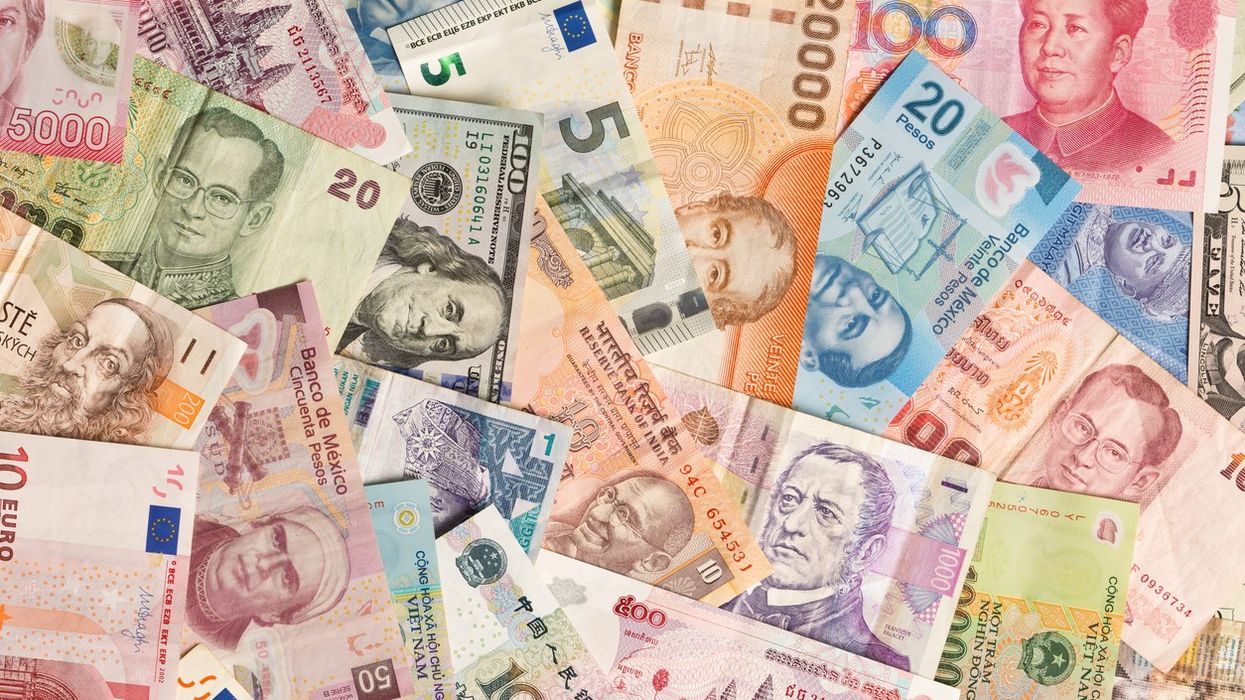
BRITAIN’S arm of the bureaux de change chain International Currency Exchange (ICE) has been shut as the pandemic lockdown hit travel businesses worldwide.

Teneo Restructuring Ltd has taken over as the administrator of ICE and its group company Lenlyn UK.


All 26 bureaus of the companies in the UK, including their outlets at airports and rail stations and online currency platforms, have ceased to operate with immediate effect.

Teneo said the closures have resulted in a loss of 119 jobs.

While their operations outside the UK are not affected by the insolvency process, other companies in the wider ICE group operating within the country also continue to function.

The travel industry has been adversely affected by the Covid-19 pandemic and that led to a dip in demand for physical currency in the past 18 months, Teno’s managing director Richard Hawes said.

“Directors (of the companies) have worked to try and deliver an alternative outcome for the group, its shareholders and its creditors, and the focus now is on supporting staff at this difficult time”, Hawes, who has been appointed a joint administrator, said.


More For You

BoE governor Andrew Bailey

BoE governor Andrew Bailey acknowledged the AI sector in the US is "very concentrated"

Getty Images

Bank of England warns AI bubble risk could trigger sharp tech correction

Highlights

  • UK share prices close to most stretched levels since 2008 financial crisis.
  • AI infrastructure spending could top $5 tn, with half funded through debt.
  • Homeowners face £64 monthly increase as 3.9 m refinance mortgages by 2028.
The Bank of England has warned of a potential "sharp correction" in the value of major technology companies, with growing fears of an artificial intelligence bubble reminiscent of the dotcom crash.

The central bank's financial stability report revealed that share prices in the UK are close to the "most stretched" they have been since the 2008 global financial crisis, while equity valuations in the United States are reminiscent of those before the dotcom bubble burst in 2000.

Valuations are "particularly stretched" for companies focused on AI, the Bank warned. It cited industry figures forecasting spending on AI infrastructure could top $5 tn (£3.8 tn) over the next five years, with around half funded through debt rather than by AI firms themselves.

Keep ReadingShow less