IN a filmy-style act, an Indian Sikh woman visiting the Gurdwara Darbar Sahib in Pakistan's Kartarpur tried to go to Faisalabad city of Punjab province without a visa to meet a Pakistani man she befriended on Facebook, officials said on Tuesday (3).
Manjit Kaur, in her early 20s, visited the Gurdwara Darbar Sahib via the Kartarpur corridor, some 125 kilometres from Lahore, in last week of November, sources said.
Kaur, who was in touch with the man through Facebook, met him at the gurdwara and attempted to go along with him to Faisalabad by showing a Pakistani woman's permit.
Indian pilgrims can visit the Gurdwara Darbar Sahib through the recently-opened Kartarpur corridor without visa but cannot go to the other parts of Pakistan.
"This is the first incident in which an Indian Sikh woman attempted to leave the restricted area of the Kartarpur corridor since its opening on November 9," a senior official of the Evacuee Trust Property Board (ETPB) said.
He said the woman wanted to go along with the Pakistani man but the security officials did not let her cross the restricted area.
While Pakistani officials said she hailed from Amritsar, media reports in India claimed that she is from Rohtak, Haryana.
"The security officials sent the Indian woman back and also informed their counterpart about it," he said.
The Pakistani security officials detained the man along with his two friends, including a woman.
After interrogating the man in question and his two other friends for several hours they were allowed to go home, the sources said.
The Kartarpur corridor connects Darbar Sahib in Kartarpur with Dera Baba Nanak shrine in Gurdaspur district of India's Punjab.
(PTI)





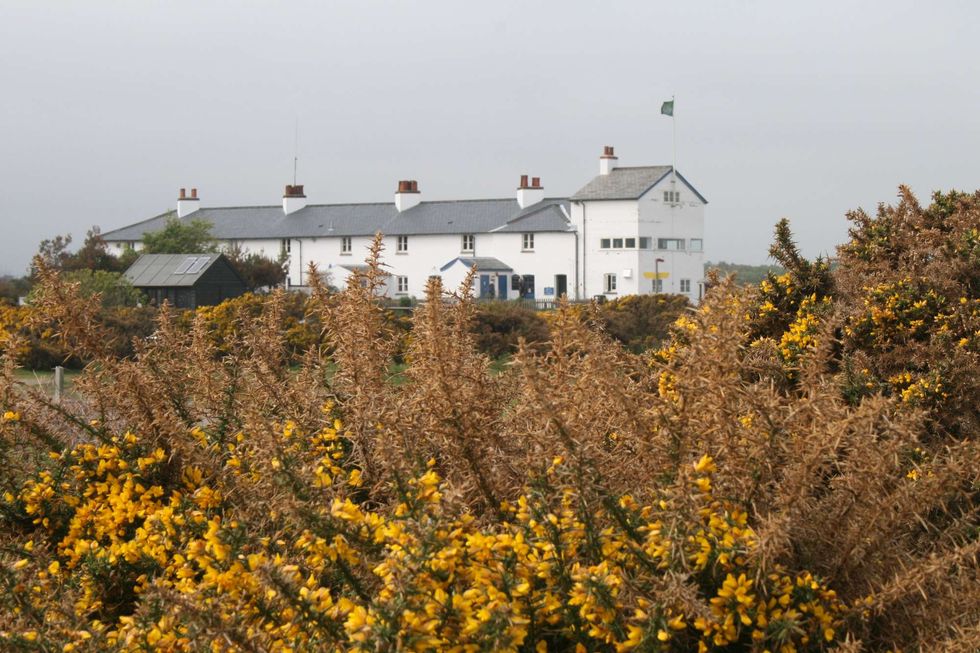 Western gorse in bloom near the cottages before the fire National Trust/Daniel Payne
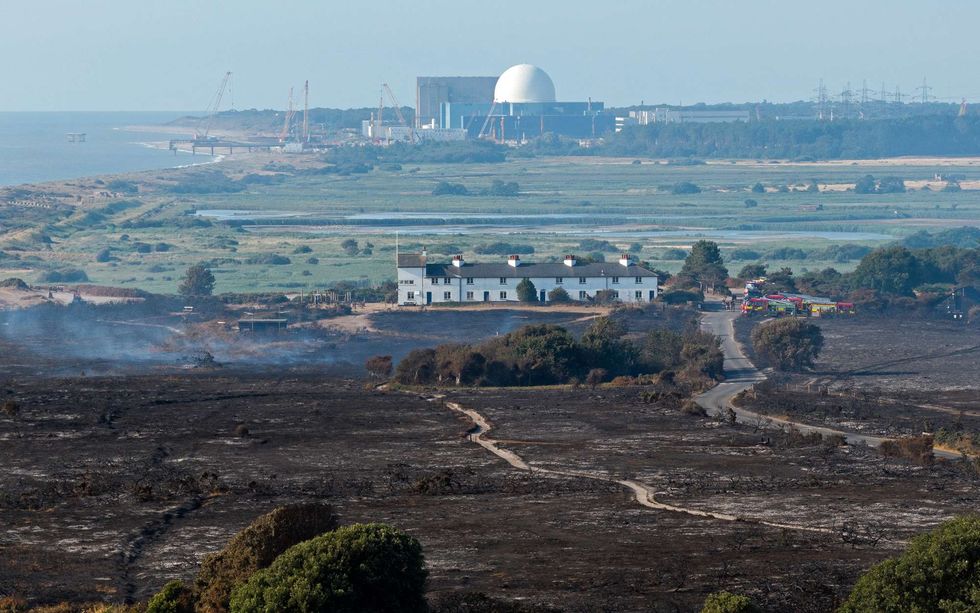 Scorched heathland in front of the Coastguard Cottages, with Sizewell B nuclear power station in the background Toby Shepheard/AFP via Getty Images
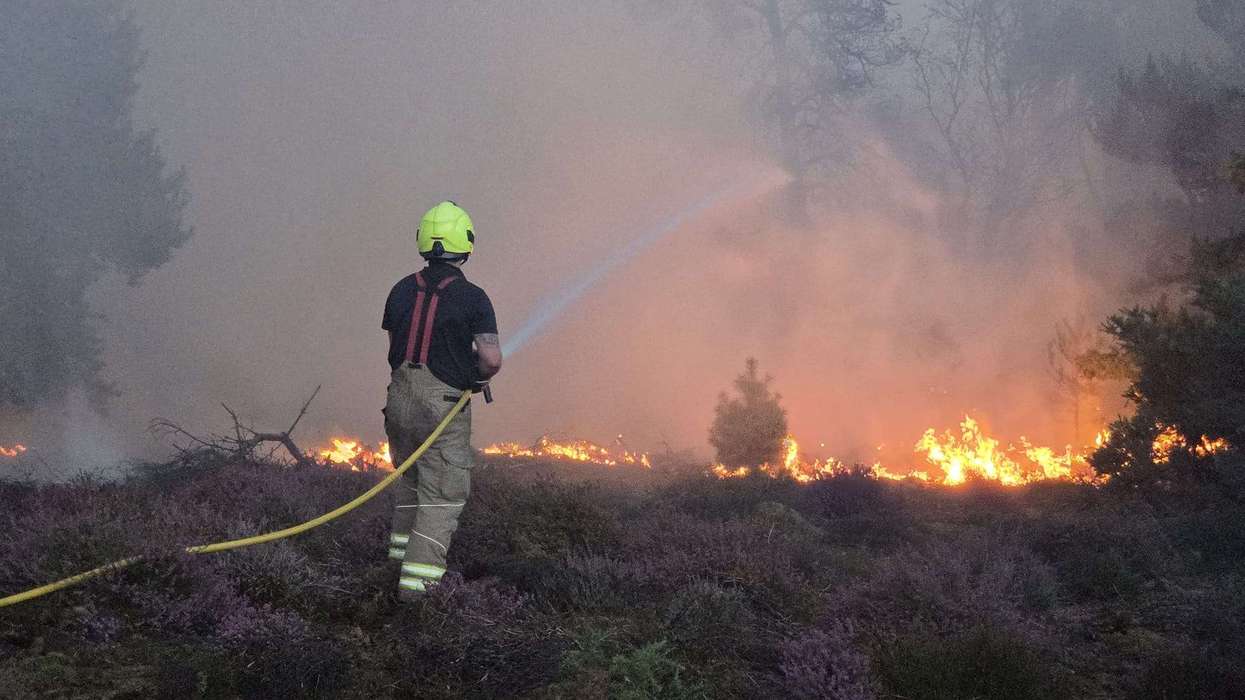
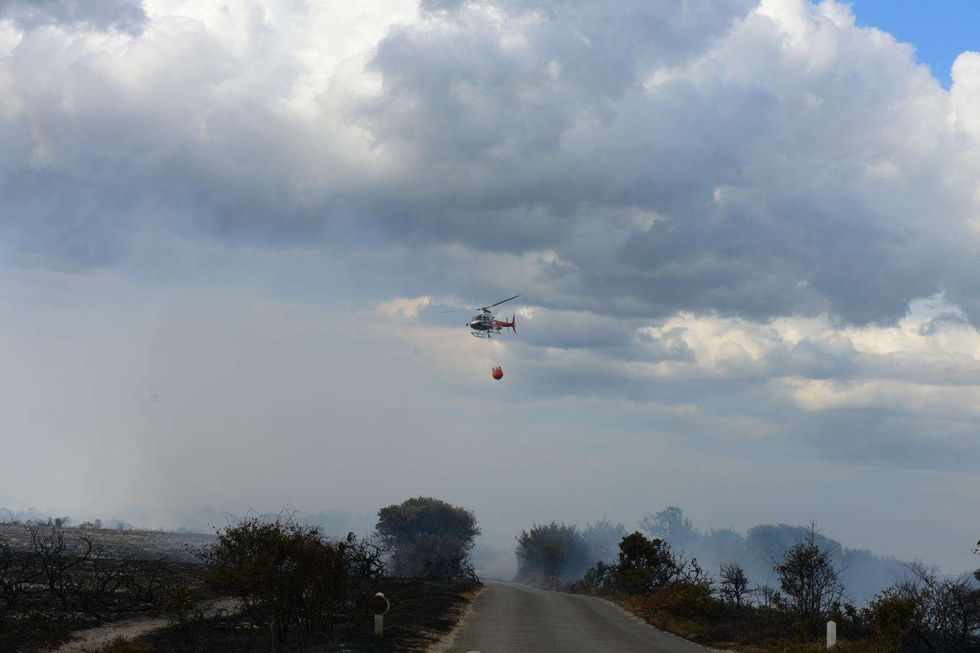 A helicopter helps contain the blazeSuffolk County Council
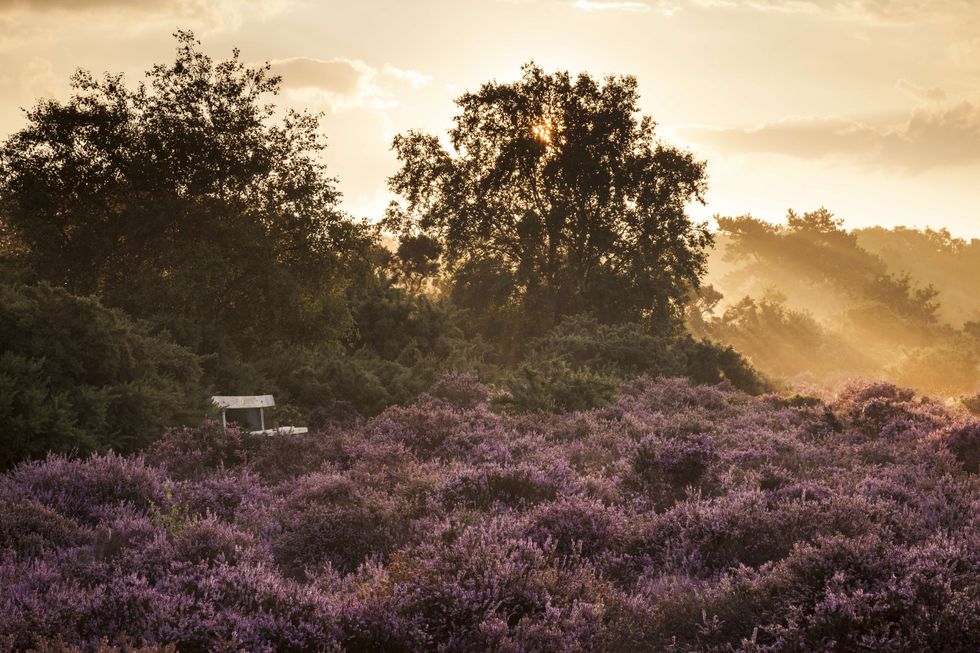 The heathland before it was devastated National Trust/Justin Minns