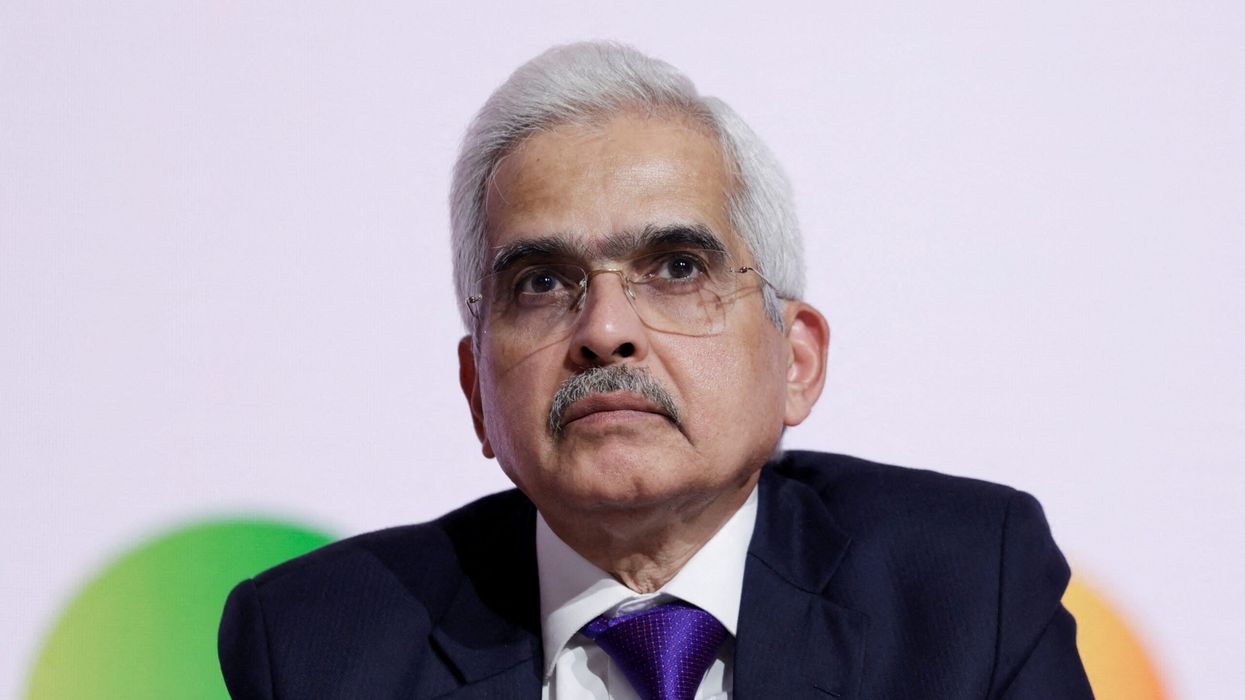

THE Indian government is likely to extend the term of central bank governor Shaktikanta Das for a second time, three sources with direct knowledge of the matter said, an unprecedented move that would make him the longest serving chief since the 1960s.
Das was one of the most trusted bureaucrats in prime minister Narendra Modi's administration before he was appointed to lead the Reserve Bank of India (RBI) in December 2018, at a time when the relationship between the government and the regulator was tumultuous.
Das, whose current term is due to end on Dec. 10, has already been the RBI's governor for longer than the typical five-year maximum of recent decades and a further extension would make him the longest-serving since Benegal Rama Rau, who filled the role for 7-1/2 years between 1949 and 1957.
Two government sources with direct knowledge of the matter said no other candidates are being considered at this point nor had any selection committee been set up, with Das' term likely to be extended for at least another year.
The decision is due to be announced after polling in Maharashtra state elections is complete, a third source, also with direct knowledge of the matter said.
The country's Election Commission bars the ruling party from making ad-hoc appointments that could affect voter behaviour.
The finance ministry, prime minister's office and the central bank did not immediately respond to emailed requests for comment.
The three sources, who did not wish to be identified due to the confidential nature of the matter, said the final decision would be taken by the prime minister.
(Reuters)