
NEW ZEALAND said on Monday it had agreed a wide-ranging free-trade deal with India, a move both sides said would deepen economic ties and expand trade, investment and jobs.
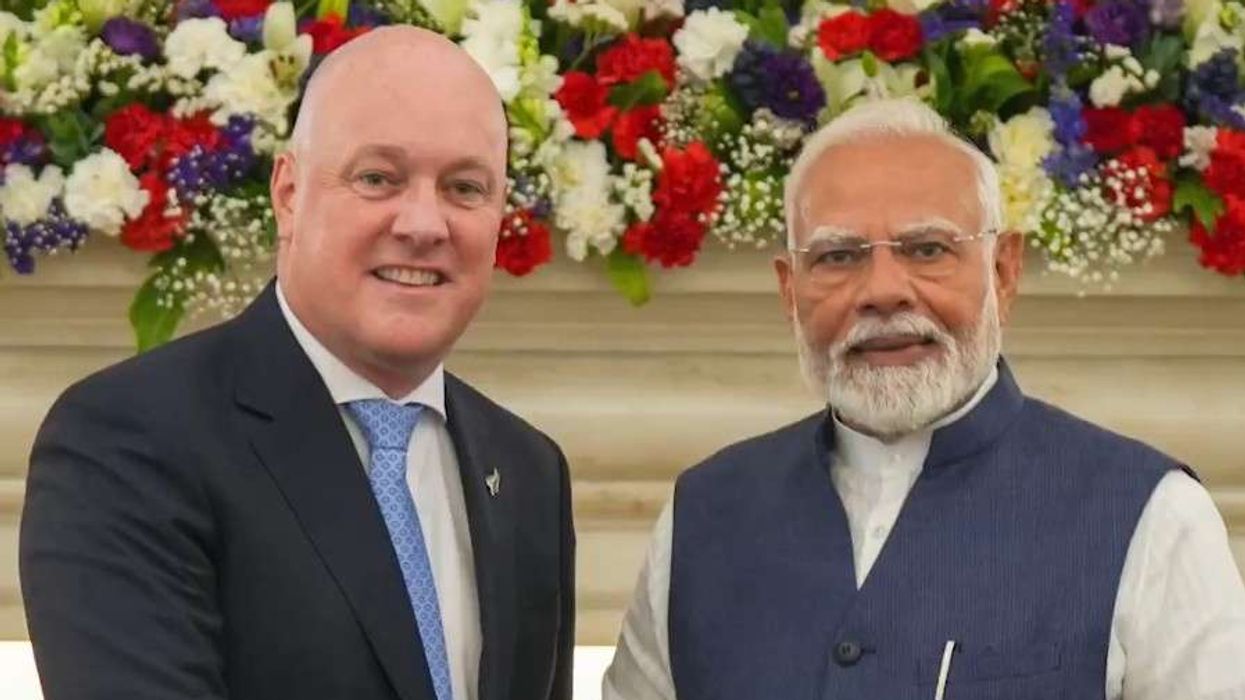
Narendra Modi’s office said he spoke to New Zealand Prime Minister Christopher Luxon on Monday, and the two agreed that the deal, signed in a “record time of nine months”, would further strengthen relations.
Both “leaders agree that the free-trade agreement would serve as a catalyst for greater trade, investment, innovation and shared opportunities between both countries”, Modi’s office said in a statement. The agreement “would also open up new opportunities” for innovators, entrepreneurs and farmers, it added.
New Zealand said the deal eliminates tariffs on 95 per cent of its exports and gives access to India’s market of about 1.4 billion consumers. Trade and investment minister Todd McClay said the agreement would come into effect in the first half of next year.
“This once-in-a-generation agreement creates opportunities New Zealand exporters have never had in India,” McClay said, adding that it “will deliver thousands of jobs and billions in additional exports”.
New Zealand’s conservative National Party-led coalition government had promised in 2024 to conclude a trade deal with India, after the previous Labour government was unable to finalise one.
However, Foreign Affairs Minister Winston Peters, leader of coalition partner New Zealand First, criticised the pact, saying it was “neither free nor fair”.
“Regrettably, this is a bad deal for New Zealand. It gives too much away, especially on immigration, and does not get enough in return for New Zealanders, including on dairy,” Peters said.
Under the agreement, entry to New Zealand will be simplified for some Indian workers, including 1,667 temporary work visas each year for the information and communications technology sector, engineering and some health services.
The deal also includes a working holiday scheme allowing up to 1,000 people aged 18–30, and allows Indian students to work for up to 20 hours a week.
“New Zealand First urged its coalition partner not to rush into concluding a low-quality deal with India,” Peters said. “Unfortunately, these pleas went unheeded.”
McClay said the agreement would support tourism and rural-sector labour needs in New Zealand.
“Trade grows the economy and creates jobs -- the NZ-India free-trade agreement is about future-proofing opportunities for our exporters and allowing Kiwi companies to continue to punch above their weight on the world stage,” he said.