
Highlights
- Rishi Sunak says India is well positioned to lead AI adoption due to its deep talent pool, strong digital public infrastructure and public support for technology.
- India has moved to third place in Stanford's global AI competitiveness ranking.
- The former UK prime minister contrasts Indian optimism towards AI with Western anxiety.
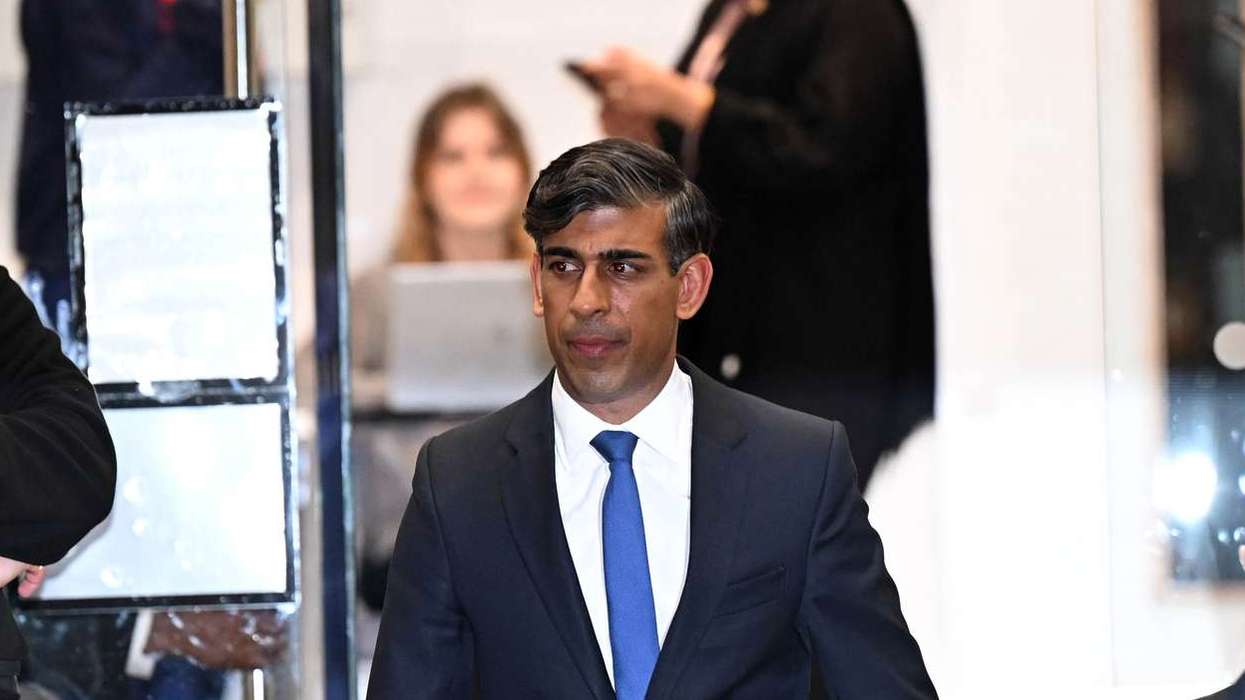
Supported by a deep talent pool and robust digital public infrastructure, India is well placed to become a global leader in artificial intelligence (AI), former British prime minister Rishi Sunak said on Wednesday.
Speaking at the AI Impact Summit 2026, Sunak highlighted India’s “incredible optimism and trust” towards AI, contrasting it with the anxiety observed in Western countries.
The event, hosted by Carnegie India in association with the Observer Research Foundation and other partners, gathered world leaders, technology experts, and scholars.
Sunak reflected on his experience hosting the AI Safety Summit in November 2023 in the UK, noting the challenge of bringing together politicians, innovators, and entrepreneurs to discuss AI risks.
The summit led to the creation of AI security institutes aimed at managing technological risks and building public confidence.
“The AI debate has shifted from technology to strategy,” Sunak said. “It is now about what countries choose to do with these tools. AI cannot be a specialist subject on the side; it must become a central responsibility of government.”
Adoption and trust
Sunak emphasised that India’s leadership in AI is not just about invention but effective deployment. Citing the book Technology and Great Powers, he explained that a nation can benefit most from technology through strategic adoption rather than invention.
“By focusing on mass adoption, backed by talent and strong digital infrastructure, India is well positioned to demonstrate AI’s societal impact,” he said.
Stanford’s Global AI Vibrancy 2025 report ranked India third in AI competitiveness, reflecting its growing ecosystem.
Sunak urged policymakers to prioritise trust in AI through public sector applications.
“When citizens experience improved healthcare, effective government services, and faster response times, the debate on AI trust moves from abstract to real. Demonstrating tangible benefits is essential to winning public confidence,” he said.
The AI Impact Summit 2026 runs from February 16-20 in Delhi, providing a platform for international discussion on the adoption, regulation, and societal impact of AI.