
Highlights
- Airline admits inadequate planning for new pilot duty regulations.
- Maximum fares now set at $83 for short routes, $167 for medium distances.
- Safety concerns raised over regulatory exemptions granted to IndiGo.
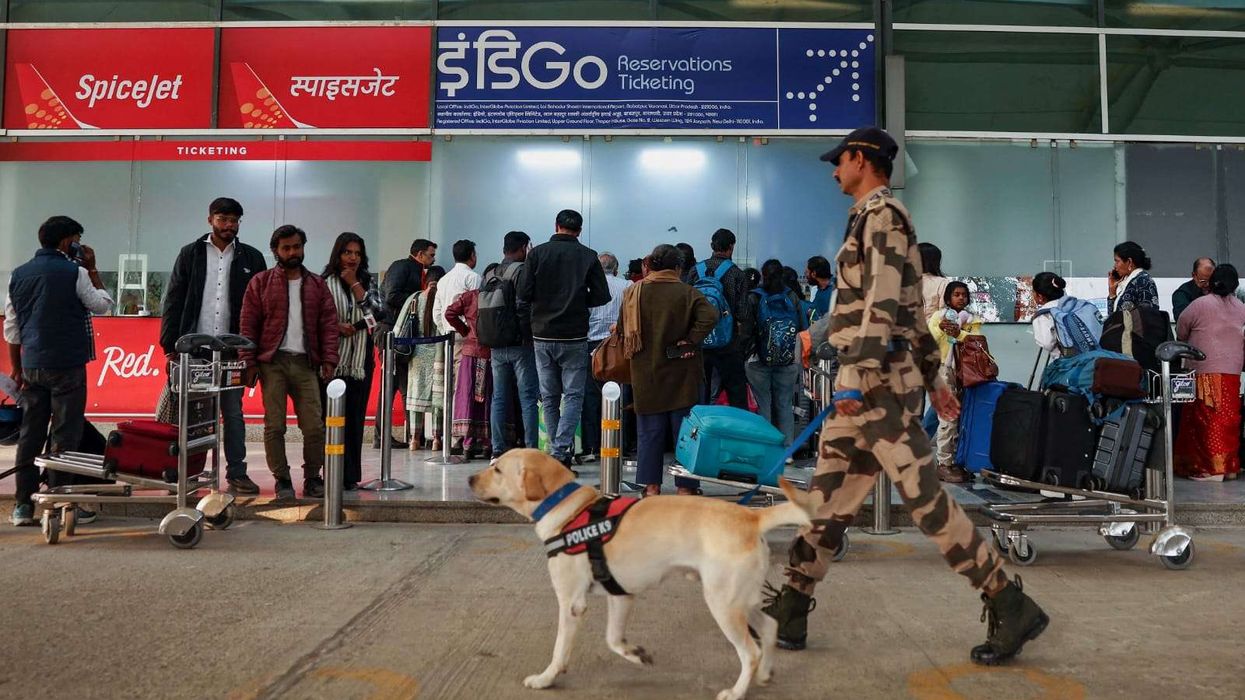
The Indian government imposed airfare caps on Saturday following widespread travel chaos caused by IndiGo's cancellation of 385 flights in a single day, leaving hundreds of passengers stranded at Bengaluru and Mumbai airports.
India's dominant carrier, which controls over 60 per cent of the domestic market, has grounded thousands of flights this week after acknowledging it failed to prepare adequately for new pilot duty regulations that came into force on November (1).
The rules restrict night-time flying hours and mandate stricter rest periods for flight crew.
As IndiGo struggled to manage its roster crisis, rival airlines capitalised by raising fares on busy routes. In response, authorities announced price controls to protect passengers.
A Civil Aviation Ministry statement confirmed it would "continue to closely monitor fare levels through real-time data and active coordination with airlines."
IndiGo crisis deepens
Under the new ceiling, tickets for journeys up to 500 kilometres cannot exceed 7,500 rupees ($83). For medium-haul routes between 1,000 and 1,500 kilometres including the popular Delhi-Mumbai corridor, the maximum charge is 15,000 rupees ($167). Before the cap, Air India was advertising Delhi-Mumbai seats at 20,419 rupees ($227).
The crisis represents the gravest challenge in IndiGo's 20-year history. On Saturday alone, the airline scrapped 124 departures from Bengaluru, 109 from Mumbai, 86 from Delhi and 66 from Hyderabad.
Wedding parties across India have been particularly affected, with families and guests unable to reach celebrations.
To address the shortage, authorities granted IndiGo temporary exemptions from the new night-flying restrictions until 10 February. The airline expects normal operations to resume between 10 and 15 December. Additional train services have been deployed to transport stranded passengers.
However, pilot organisations have strongly criticised the regulatory relief. The Airline Pilots Association of India described the exemptions as "selective dispensation," warning in a letter to government that safety regulations "exist solely to safeguard human life."
Notably, other major Indian carriers including Air India and Akasa have continued normal operations under the new rules.