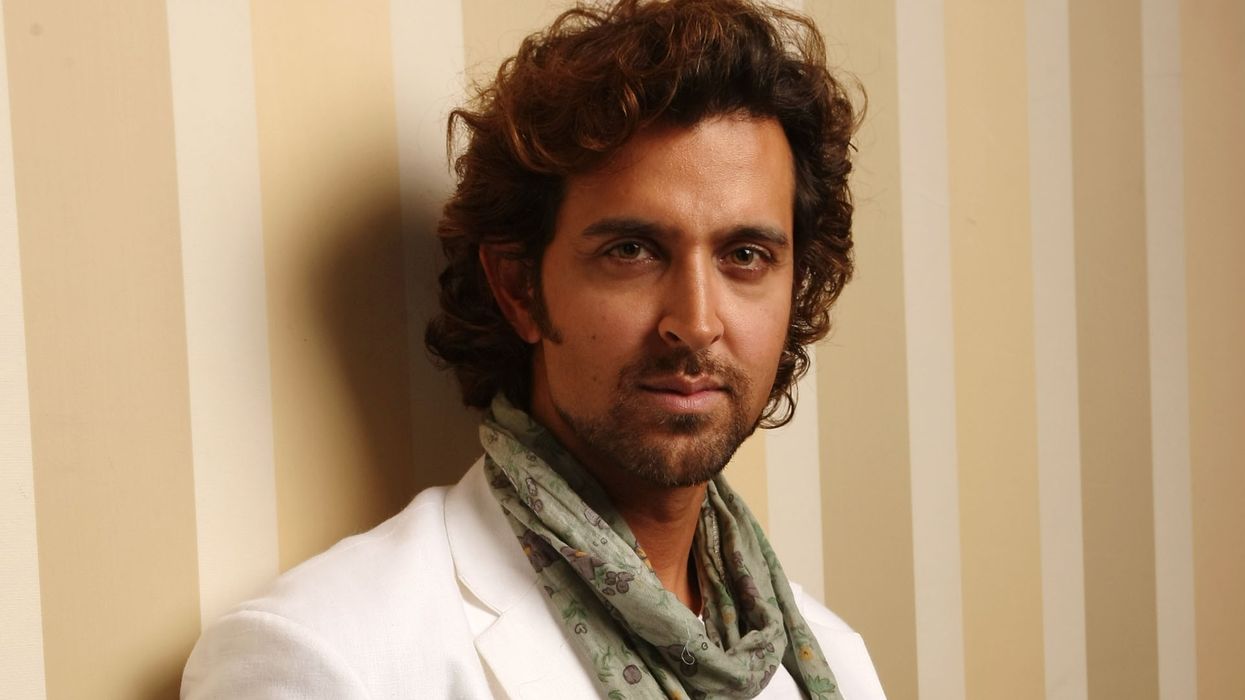

He’s not the most outspoken, nor does he court controversy the way others might, but when it comes to wealth, Hrithik Roshan is quietly sitting at the top. With a reported net worth of £290 million (₹3,100 crore), the actor has outpaced Bollywood veterans like Salman Khan and Alia Bhatt and far exceeds the fortune of younger star kids like Aryan Khan.
Born into a film family, his father, Rakesh Roshan, is a producer-director, and his grandfather, J. Om Prakash, was also in the industry, Hrithik started young. He was a child actor in the 1980s, long before his blockbuster debut in Kaho Naa... Pyaar Hai (2000), which made him an overnight sensation. But the real story behind his wealth isn’t just his films; it's everything he built around them.
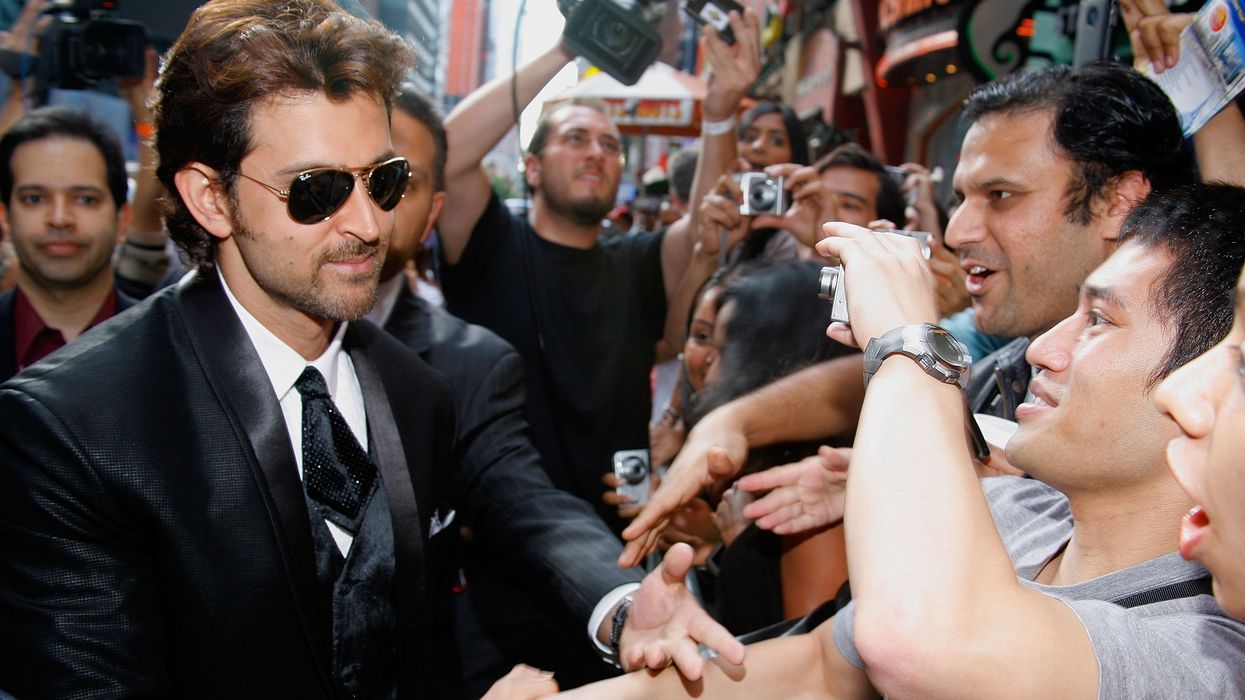 Hrithik Roshan is now Bollywood's richest star with a £290 million fortune, surpassing peers like Salman Khan and Alia BhattGetty Images
Apart from acting in box office hits like Krrish, Dhoom 2, Jodhaa Akbar, and War, Hrithik’s money comes from multiple revenue streams. His sportswear brand, HRX, launched in 2013, is now reportedly valued at £630 million (₹7,300 crore). That’s more than most Indian fashion labels, and it's run like a full-fledged business, not just a celebrity vanity project.
He also runs FilmKraft Productions, his own company, and earns heavily through brand deals and endorsements. Whether it’s high-end watches, food delivery apps, or personal care products, Hrithik’s face is everywhere. Add to that his massive social media following, over 47 million on Instagram alone and he’s become a marketing machine.
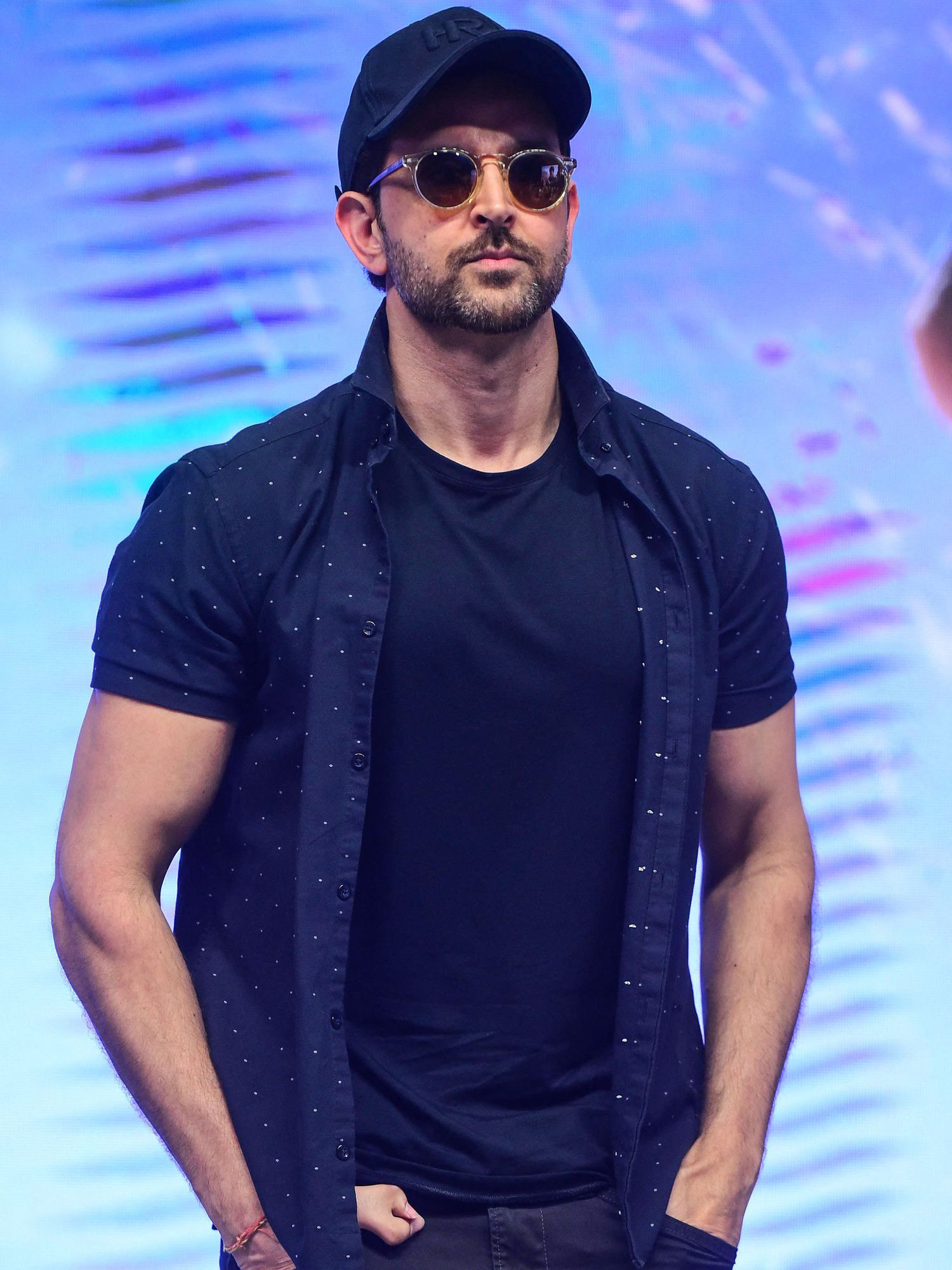 The Greek God of Bollywood strikes a pose, now reigning as the industry's richest star with his £290 million empireGetty Images
His acting fees have risen with his popularity. He reportedly earned £8 million (₹85 crore) for his last film, Fighter, and is said to be charging up to £7.5 million (₹80 crore) for the upcoming War 2. But it’s not just money he’s after; Hrithik is also preparing to step behind the camera as director for Krrish 4, marking a new phase in his career.
Property-wise, he owns a luxury sea-facing apartment in Juhu worth about £10 million (₹100 crore), a farmhouse in Lonavala, and even leased commercial property in Pune. His car collection includes a Rolls-Royce, a Maserati, and a Mercedes-Maybach.
In an industry where most star kids rely on legacy, Hrithik built an empire. He didn’t just inherit fame; he multiplied it.