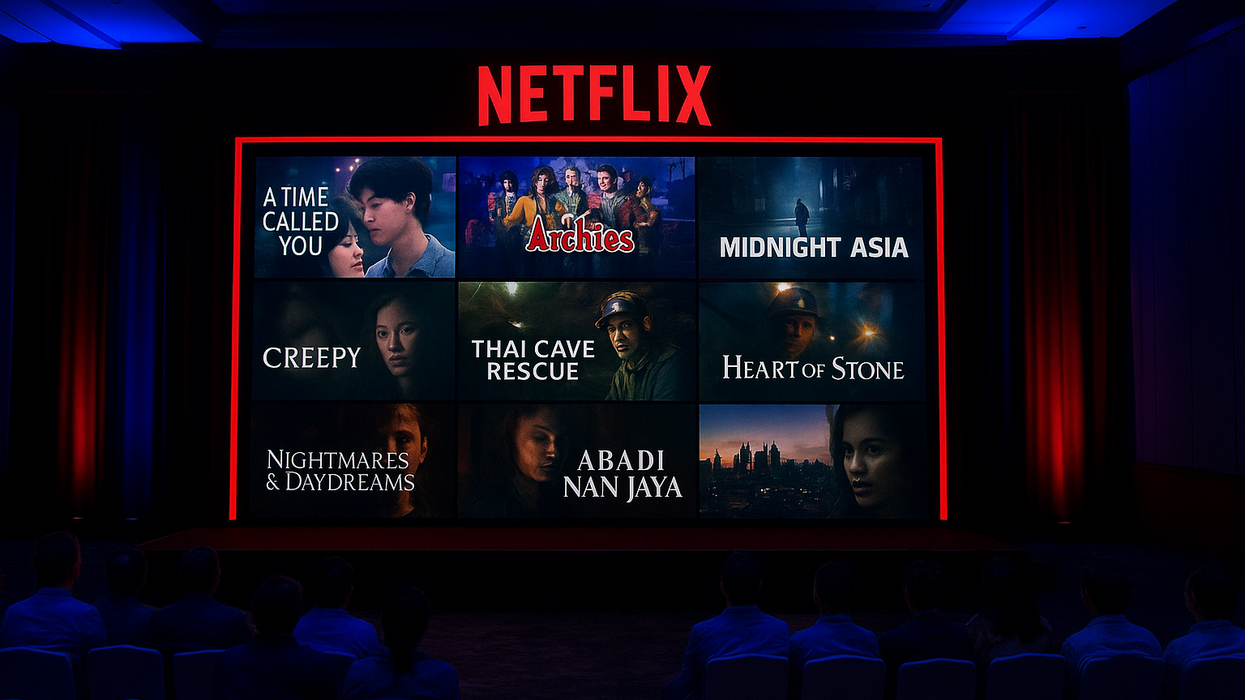

Highlights:
- Netflix says global viewing of Southeast Asian titles rose almost 50% between 2023 and 2024.
- Premium VOD revenue in the region reached £1.44 billion (₹15,300 crore) last year, with 53.6 million subscriptions.
- Netflix holds more than half of the region’s total viewing and remains its biggest investor in originals.
- New rivals, including Max, Viu and Vidio, are forcing sharper competition.
- Local jobs, training and tourism are increasing as productions expand across the region.
Last year, something shifted in what the world watched. Global viewership of Southeast Asian content on Netflix grew by nearly 50%, and this isn't just a corporate milestone; it’s a signal. Stories from Jakarta, Bangkok, and Manila are no longer regional curiosities. They are now part of the global mainstream.
The numbers tell a clear story. Over 100 Southeast Asian titles have now entered Netflix’s Global Top 10 lists. More than 40 of those broke through in 2024 alone. This surge is part of a bigger boom in the region’s own backyard. The total premium video-on-demand market in Southeast Asia saw viewership hit 440 billion minutes in 2024, with revenues up 14% to £1.44 billion (₹15,300 crore). Netflix commands over half of that viewership and 42% of the revenue. They have a clear lead, but the entire market is rising.
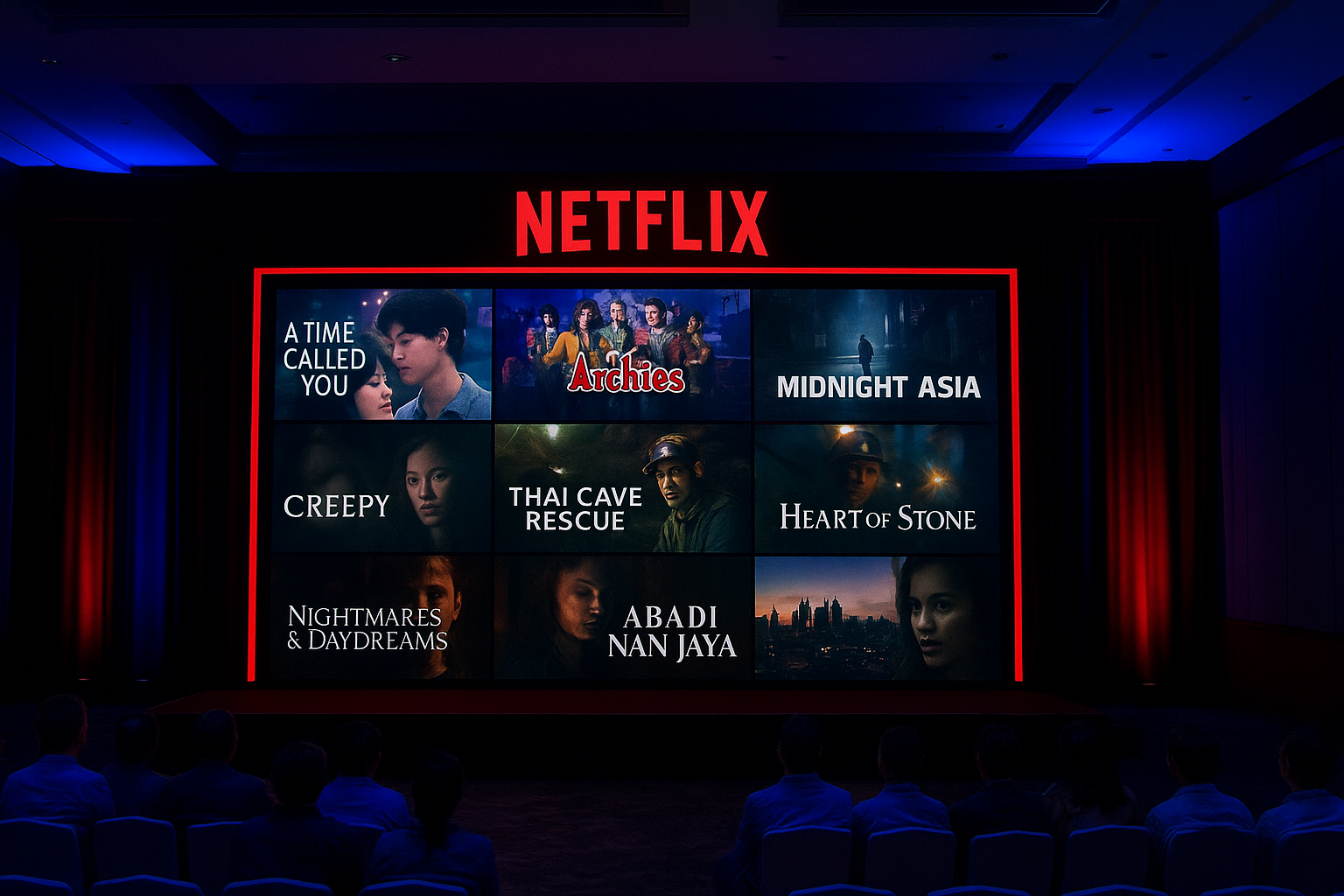 Inside Netflix’s 50% surge: the regional creators and stories driving Southeast Asia’s global rise AI Generated
Why these stories are breaking through
The simple answer is investment and access. Netflix has been pouring money into regional originals for years. In Thailand alone, they put £160 million (₹1,700 crore) into local content between 2021 and 2024, and the result is ambitious, high-quality production. Look at Indonesia’s first major zombie feature, Abadi Nan Jaya, or the horror thriller Nightmares and Daydreams. It is clear that this isn't about filling a local quota, but about creating global event television from a fresh perspective.
At the same time, how people consume content has changed. More homes have proper broadband and connected TVs. Streaming is no longer just an urban, smartphone-only habit. It’s a living-room activity, which means families are watching together, and subtitled or dubbed content has a bigger screen to shine on. This technological shift has unlocked a massive audience.
 NetflixShutterstock
A crowded field, but one clear leader
Regional services like Viu and Indonesia’s Vidio have deep local roots. Global rivals like Disney+ have a stable share. The new entrant, Warner Bros. Discovery’s Max, had a remarkably strong launch in late 2024, grabbing 1.4 million new subscribers quickly. This competition is good. It forces everyone to up their game, bet on better stories, and improve their platforms.
Yet, Netflix’s position looks solid. They ended last year with around 12 million subscribers in Southeast Asia’s core markets. Their strategy of heavy, consistent investment in local-language originals, while a competitor like Prime Video reportedly pulled back, has paid off. They aren't just dubbing Western shows. They are building a dedicated pipeline of Southeast Asian stories for a worldwide audience.
 Netflix VOChatgpt/Netflix
More than just streams: ripple effects
The impact spills beyond your screen. Netflix’s report on Thailand highlighted how its investment created over 13,500 jobs. Hit series drive tourism to filming locations. Training programmes for local crew are building a new generation of technical talent, becoming part of the region's creative infrastructure. It aligns with national ambitions, like Thailand’s push for cultural "soft power".
For creators, the calculus has changed. A show can now be conceived for a village in Central Java and find fans in São Paulo. In simple words, this global outlet is empowering new voices and genres. The classic romantic drama is still there, but so are complex crime thrillers, sci-fi, and historical epics that don't shy away from local nuance. The world is proving it can keep up.
 Streaming optionsiStock
What comes after the breakout?
The growth phase is not over. Analysts point to the next wave: more connected TVs, deeper broadband penetration beyond cities, and smarter content investment focusing on proven hits. We’ll likely see more strategic bundling of services and a continued fight for subscriber attention.
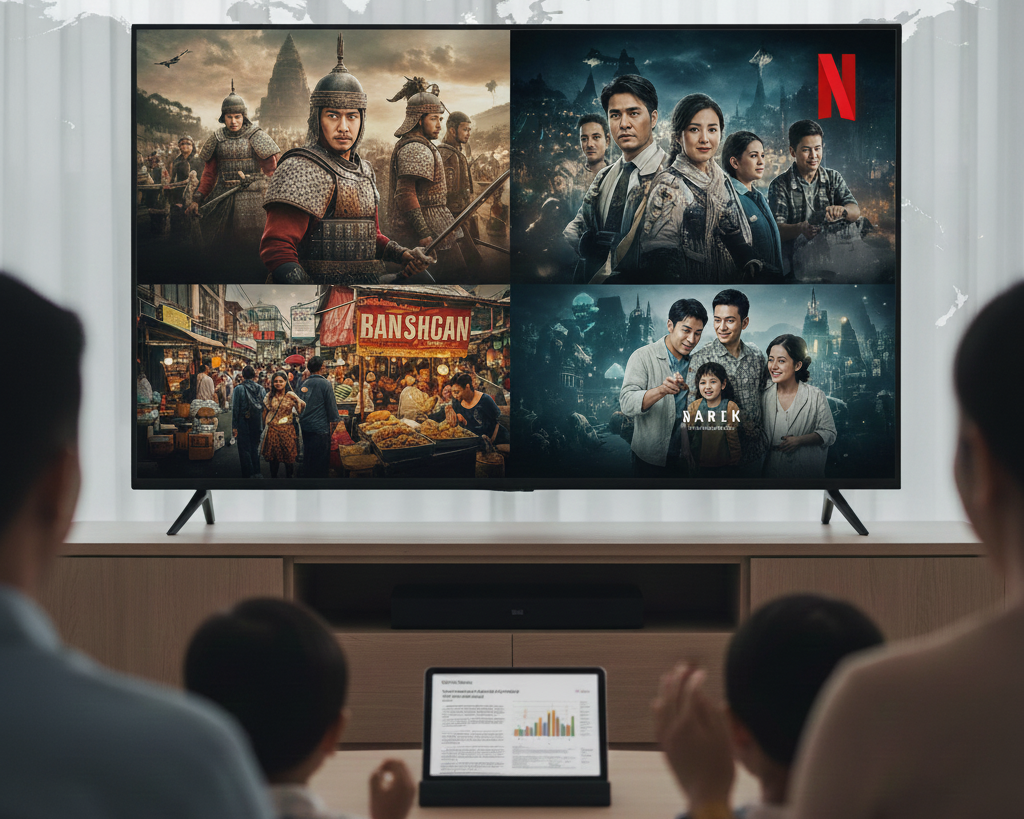 From local roots to worldwide reach: the long arc of Southeast Asian content’s ascent on NetflixiStock
But the real story is more profound. Southeast Asia has rapidly evolved from a consumption market for Hollywood and Korean dramas into a major production hub and cultural exporter in its own right. The 50% jump in global viewership is the first solid proof of a new, more diverse era of global television. The world clicked play, and it turns out it was eager to listen. The question now is how platforms balance growth with originality as more voices and markets enter the frame.