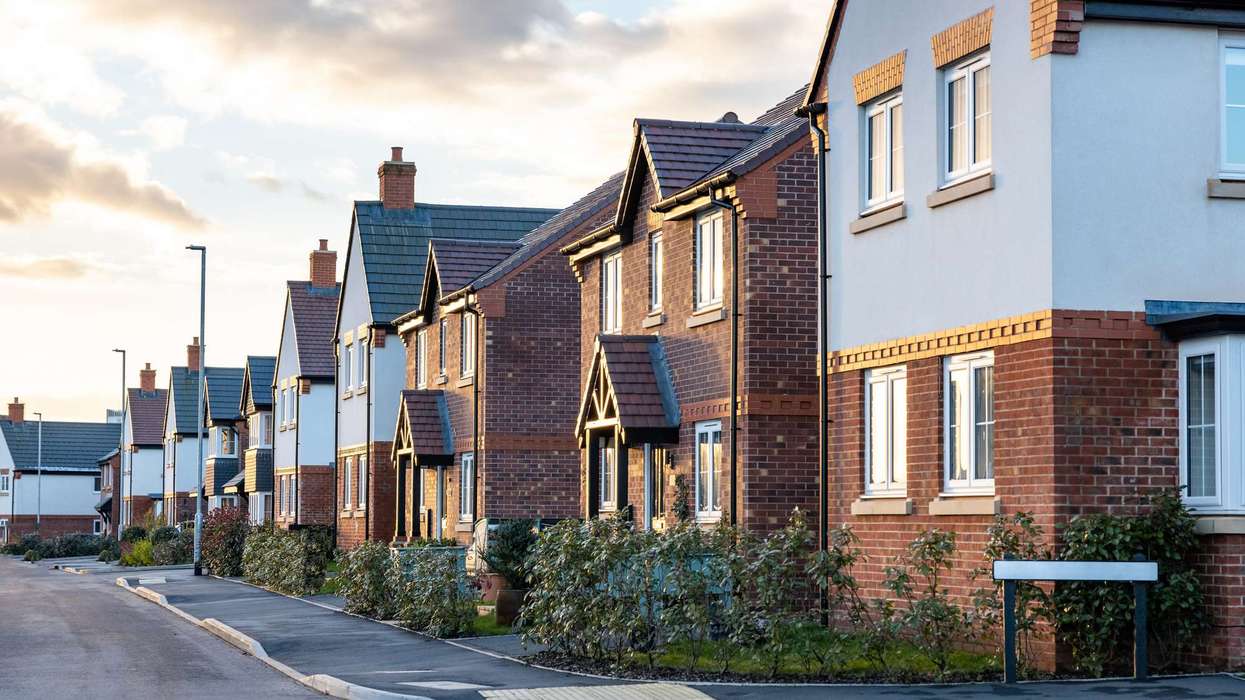

- Matthew Pennycook says more homes would improve affordability.
- Research suggests a 1 per cent rise in supply could cut prices by 2 per cent.
- Average UK house prices have crossed £300,000 for the first time.
The government’s drive to build 1.5 million new homes by 2029 may well take the heat out of house price growth, according to the housing minister.
Speaking in the House of Commons, Matthew Pennycook suggested that boosting supply on such a scale would inevitably affect property values. If large numbers of homes are delivered, he indicated, prices would not keep rising at the pace seen in recent years.
“If you flood a local housing market with homes of any tenure, you will have a positive impact on housing affordability,” he said, as quoted in a news report. He pointed to research suggesting that a 1 per cent increase in housing supply could result in a 2 per cent fall in property prices.
Pennycook appeared keen to temper expectations. Any shift in prices, he reportedly said, would be gradual rather than sudden. Even with sustained and high levels of housebuilding, he suggested it would take time for the market to respond.
“It will take some time… to see house prices drop,” he said, as quoted in a news report. He added that the “best scenario” might be a sustained levelling-off in house price growth, followed by a gradual easing over time.
That cautious tone comes against a backdrop of scepticism about whether the government can meet its own target. Data from public sector procurement firm Pagabo indicates that less than 1 per cent of civil servants working on housing delivery believe the 1.5 million homes goal is achievable.
Prices at record highs
The comments arrive as the latest Halifax House Price Index shows the average UK property price has moved above £300,000 for the first time. In January, prices rose 0.7 per cent, taking the average to £300,077. That followed a 0.5 per cent dip in December.
For homeowners, investors and first-time buyers, the implications are still uncertain. Much depends on whether the promised homes are actually built and how quickly they reach the market. If supply increases meaningfully, the pressure on prices could ease. If it does not, affordability may remain stretched.
The government’s intervention is one of the most ambitious attempts in recent years to reshape the housing market. Whether it delivers a steady cooling or simply shifts expectations may become clearer as construction levels unfold over the next few years.