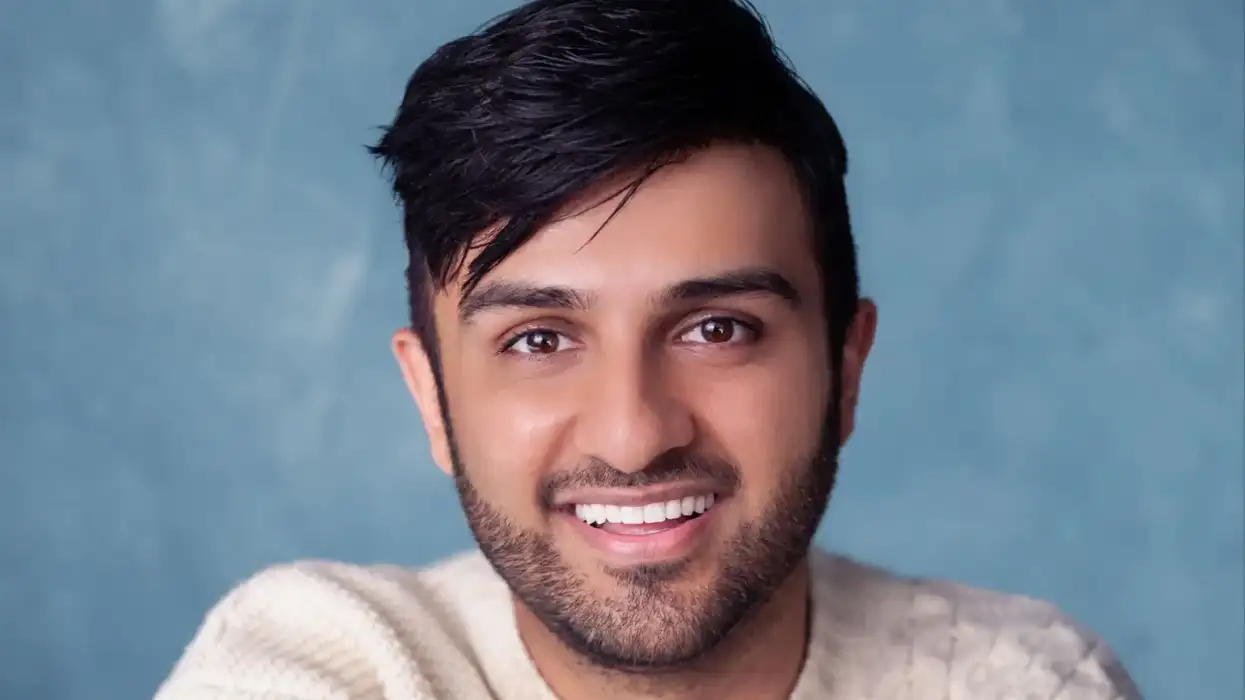

British singer Hemina Shah has never stopped evolving. From her early success in commercial music to creating the world’s first Hindi-Afrobeats fusion track, she’s continuing to push boundaries with soulful spiritual releases. The versatile singer has entered a new chapter rooted in devotion, authenticity, and artistic growth. She is also ventured into playback singing. In this exclusive conversation with Eastern Eye, she speaks about her remarkable musical journey, the transformative power of spiritual music, and how her voice has become both a source of healing and connection across cultures.
How do you reflect on your journey as a singer?
It’s been a journey of discovery — not just of music, but of who I am at my core. Every song I’ve sung has taught me something new about patience, emotion, and growth. Music has this way of keeping you humble; no matter how much you learn, there’s always more to explore. For me, it’s always been about connection — creating moments where people can feel something real. That connection between artist and listener is what keeps me inspired to keep evolving.
What has been your most memorable moment?
One of my most unforgettable moments was hearing my Hindi Afrobeats track play on BBC World for the first time. For a second, everything stood still. Knowing that something I created was reaching people across continents — it felt surreal. It reminded me that when music comes from an honest place, it travels beyond language and borders.
What was the experience of doing your path-breaking Afro-fusion?
Creating the world’s first Hindi-Afrobeats track was one of the most exciting chapters of my life. During the lockdowns, when everything slowed down, I began experimenting with fusion sounds. Blending Indian melodies with African rhythms felt so natural — like two cultures having a joyful conversation.
That time of stillness became my most creative period. I realised that sometimes, when the world pauses, creativity finds its loudest voice.
What led you towards spiritual music?
It started quite unexpectedly. During Covid, people began reaching out, asking me to sing prayers and mantras online. I felt an instant pull towards it — like it was something I was meant to explore. When I began releasing spiritual pieces, the response was incredible. People from all over the world wrote to me, sharing how the music helped them find calm or hope during difficult times. That made me realise that this was more than music — it was a form of healing and connection.
Today, with over five million organic views on my YouTube channel, what truly moves me isn’t the numbers — it’s the community that has grown around this music.
Tell us about the spiritual music you are making now.
Every new project feels like a prayer. My YouTube family often messages me with requests for specific mantras, and that bond really drives me. This year, I’ve worked on powerful pieces like the Shiv Tandav Stotram and my rendition of Aigiri Nandini — a Sanskrit chant dedicated to Goddess Durga. Creating these pieces has been spiritually enriching and creatively fulfilling. It amazes me how these ancient chants still touch modern hearts. Their energy feels timeless — a reminder that spirituality and music both speak directly to the soul.
How has spiritual music helped you?
It’s completely transformed me. Singing mantras feels like meditation — it brings peace, focus, and a deep sense of clarity. It’s helped me slow down and reconnect with what truly matters. Through spiritual music, I’ve learned that silence can be as powerful as sound. For the first time, I feel like I’m making music not just for others, but also for myself — from a place of authenticity and gratitude.
Which of your spiritual songs is closest to your heart and why?
Aigiri Nandini will always hold a very special place in my heart. The entire process — from the live instruments to the intricate Sanskrit verses — demanded complete focus and devotion. What made it even more meaningful was creating it with my husband, who directed the project beautifully. It became more than a song — it was a shared journey of creativity and faith. I’m deeply proud of what we created together and of my incredible production team that brought it to life.
 British singer Hemina Shah has never stopped evolvingHemina Shah
What has the experience of doing film songs been like?
Playback singing is a world of its own. You’re not just singing — you’re stepping into someone else’s emotions and telling their story through your voice. Every line carries meaning, so it’s important to truly understand the character and context. It’s one of the most challenging and fulfilling
parts of being a singer, because it pushes you to combine skill, empathy, and storytelling all at once.
What is the plan going forward?
I want to keep creating devotional and meaningful music that speaks to the soul. At the same time, I plan to continue working on playback singing and exploring new collaborations that push me creatively. My goal is to make music that not only entertains but also uplifts — something that stays with people long after the song ends.
Who would you love to collaborate with?
I’d love to collaborate with artists who create from the heart — people who tell stories through sound. AR Rahman has always been a dream collaboration for me. His music has such emotion, depth, and truth — it moves people in ways words can’t.
What does music mean to you today?
Music, for me, is purpose. It’s my way of expressing, healing, and giving. It’s not just something I do — it’s who I am. When I sing, it feels like a form of prayer, a way to connect with something larger than myself. It brings me peace, meaning, and a sense of belonging that nothing else can.
What music is currently dominating your playlist?
These days, I mostly listen to devotional and meditative tracks — bhajans, chants, soft instrumentals. I’ve realised that what we listen to shapes how we feel. The right music can calm the mind, lift the spirit, and remind you to slow down.
I’m drawn to music that brings peace and helps me stay grounded.
What inspires you as a singer?
People. Every time someone writes to me saying a song helped them through a difficult time, it fills me with gratitude. Music has the power to touch hearts, to heal, to connect us beyond language or culture. That’s what inspires me — the idea that one song can make someone feel a little less alone in the world.