
POLICE have named the woman who died following a collision in Harrow earlier this week as 46-year-old Chithra Vanmeeganathan from Wembley.
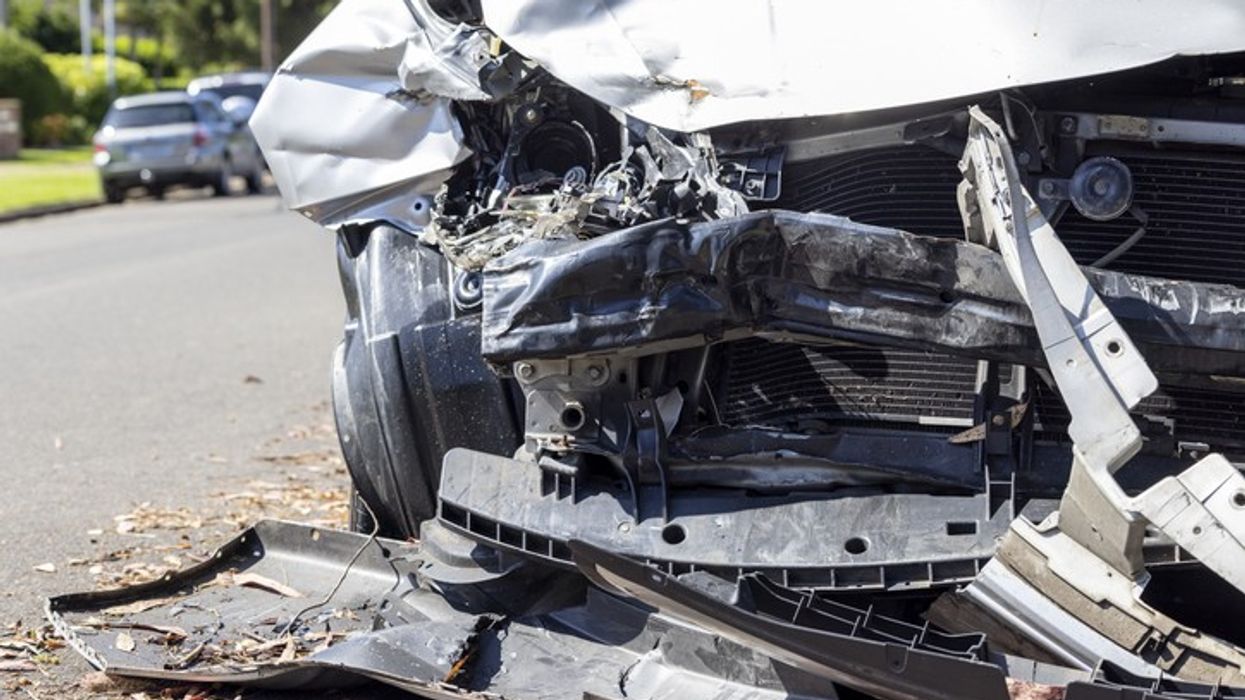
The incident occurred at around 9.20pm on Monday (24) on Bessborough Road, involving a car, a number 395 single-decker bus and pedestrians at a bus stop.
Despite the swift response from officers, London Ambulance Service and London's Air Ambulance, Vanmeeganathan sadly died at the scene. Her family has been informed and is receiving support from police officers, Metropolitan Police said in a statement.
Two other pedestrians were also injured in the collision – a 12-year-old boy and a woman in her 30s. Both were taken to hospital for treatment, though their injuries are not believed to be life-changing.
Detective sergeant Paul Jackson from the Metropolitan Police's Roads and Transport Policing Command said, "Our thoughts remain with Chithra's family at this difficult time. The investigation into this tragic incident is ongoing, and we are continuing to appeal for anyone with footage of the incident, including from a doorbell camera or dashcam, or anyone who witnessed the collision to come forward."
The London Ambulance Service responded quickly to the emergency, deploying multiple resources including ambulance crews, a paramedic in a fast response car, an incident response officer and members of their hazardous area response team (HART).
A London Ambulance Service spokesperson confirmed they were called at 9.17pm on Monday, adding, “We were called at 9.17pm on February 24 to reports of a road traffic collision near Whitmore Road. We sent multiple resources to the scene, including ambulance crews, a paramedic in fast response car, an incident response officer, members of our hazardous area response team (HART) as well as command support vehicles.
“We also dispatched a trauma team from London’s Air Ambulance. We treated four patients at the scene before taking two patients to a major trauma centre and discharging one patient at the scene. Very sadly, despite best efforts of our crews, one person was pronounced dead at the scene.”
The driver of the car stopped at the scene and was arrested on suspicion of causing death by dangerous driving. He has since been released on bail while investigations continue.
The incident is being investigated by the Met's Roads and Transport Policing Command as they work to determine the exact circumstances of the collision.
Police have appealed anyone with information about the collision to contact them on 101 or via Twitter @MetCC, quoting reference CAD 7193/24Feb. Those wishing to remain anonymous can provide information to the independent charity Crimestoppers on 0800 555 111.