
Highlights:
- Iranian strike hits Kuwait-flagged tanker off Dubai
- US weighs ending conflict as Strait of Hormuz remains largely closed
- Oil prices remain elevated despite easing after attack
- Fighting continues across West Asia with strikes reported in multiple locations
AN IRANIAN strike hit a Kuwait-flagged crude oil tanker off Dubai early on Tuesday, setting it on fire, after US president Donald Trump warned that the United States would target Iran’s energy infrastructure if it did not open the Strait of Hormuz.
The tanker, identified as the Al-Salmi and owned by Kuwait Petroleum Corp, was carrying around 2 million barrels of oil. The attack caused a fire and damage to the hull. Dubai authorities said the blaze was brought under control following a drone strike, with no oil spill and no injuries to the 24 crew members.
Kuwait’s state news agency KUNA said the vessel was “subjected to a direct and malicious Iranian attack while in the anchorage area of Dubai Port in the UAE”. It added the strike caused “material damage to the ship’s hull” and raised “the possibility of an oil spill in the surrounding waters”, though UAE authorities later confirmed there was no spill.
The incident is the latest in a series of attacks on shipping in the Gulf and Strait of Hormuz since US and Israeli strikes on Iran on February 28. The conflict has now entered its fifth week, spreading across West Asia, disrupting energy supplies and affecting global markets.
ALSO READ: Houthi attacks raise fears of wider conflict
Oil prices rose after the attack but later eased. Both main crude contracts fell nearly one per cent on Tuesday, though they remained above $100 a barrel. Brent crude has risen 56 per cent this month to above $113 a barrel. In the United States, the national average price of gasoline crossed $4 a gallon for the first time in more than three years, according to GasBuddy data.
Markets reacted to a report that Trump is willing to end the war even if the Strait of Hormuz remains largely closed. The Wall Street Journal reported that US officials believe reopening the waterway could extend the conflict beyond Trump’s four- to six-week timeline. The report said the administration may instead focus on targeting Iran’s missile systems and navy while pursuing diplomatic pressure.
At the same time, Trump repeated his warning that the US would destroy “all of their Electric Generating Plants, Oil Wells and Kharg Island (and possibly all desalinization plants!)” if a deal is not reached. He also said the US was in talks with a “more reasonable regime” in Tehran.
The White House said Trump wants an agreement before a new April 6 deadline for Iran to open the Strait of Hormuz, which carries about a fifth of global oil and liquefied natural gas supplies. Press secretary Karoline Leavitt said talks were progressing and that Iran’s public statements differed from its private messages.
Iran said it had received US proposals through intermediaries after talks involving Pakistan, Egypt, Saudi Arabia and Turkey. Foreign Ministry spokesperson Esmaeil Baghaei said the proposals were “unrealistic, illogical and excessive”.
ALSO READ: Trump Delays Iran Strike as Global Oil Lifeline Faces Crisis
Fighting has continued across the region. Iran’s military said its latest missile and drone attacks targeted “hideouts” of US personnel at five bases and sites in Israel. Israeli air defences responded to Iranian missile launches, with blasts heard over Jerusalem.
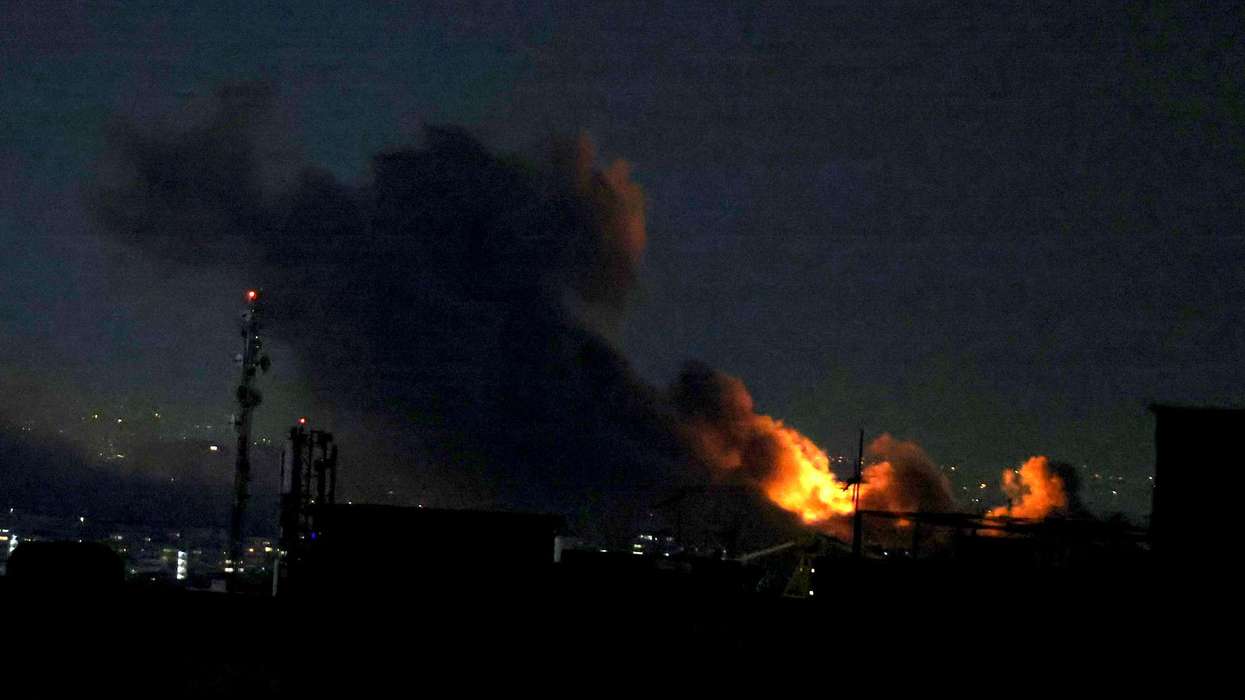
Israel said it carried out strikes on military infrastructure in Tehran and on Hezbollah-linked sites in Beirut. Explosions were reported in eastern and western Tehran, with power outages in some areas before electricity was restored. A strike on a congregation hall in Zanjan killed three people and injured 12, according to Iranian media.
ALSO READ: Narendra Modi & Donald Trump talk Hormuz crisis
The Israeli military said four of its soldiers were killed in southern Lebanon. The United Nations Interim Force in Lebanon said two of its personnel were killed in a blast on Monday, a day after another peacekeeper was killed. Two others were injured.
In Iraq, the Popular Mobilisation Forces said US-Israeli strikes hit bases in Babil and Anbar provinces, with no casualties reported. A drone attack targeting the US embassy in Baghdad injured one civilian after debris fell in a nearby area.
Iran-aligned Houthis have also launched missiles and drones, while NATO said it intercepted a missile fired from Iran towards Turkey. Iranian state media reported a parliamentary panel had approved plans to impose tolls on vessels passing through the Strait of Hormuz.
ALSO READ: Britain to 'host summit on reopening Strait of Hormuz'
The United States has begun deploying thousands of troops from the 82nd Airborne Division to West Asia, according to US officials, as part of reinforcements that could expand options including a ground operation.
Trump’s administration has requested an additional $200 billion in funding for the war, which faces opposition in Congress. The White House also said Trump was considering asking Arab nations to contribute to the cost.
Global markets remained mixed. Some Asian markets, including Seoul, Tokyo and Shanghai, fell, while Hong Kong, Sydney and several European markets rose. Analysts said investors were reacting to changing signals from Washington on whether the conflict could be contained or escalate further.
G7 economy ministers and central bankers met in Paris and said they were ready to take “all necessary measures” to stabilise energy markets. US Federal Reserve chair Jerome Powell said energy shocks “have tended to come and go pretty quickly”.
Analysts said the duration of the conflict would determine the impact on inflation and growth, as governments take steps to manage rising energy costs.
(With inputs from agencies)