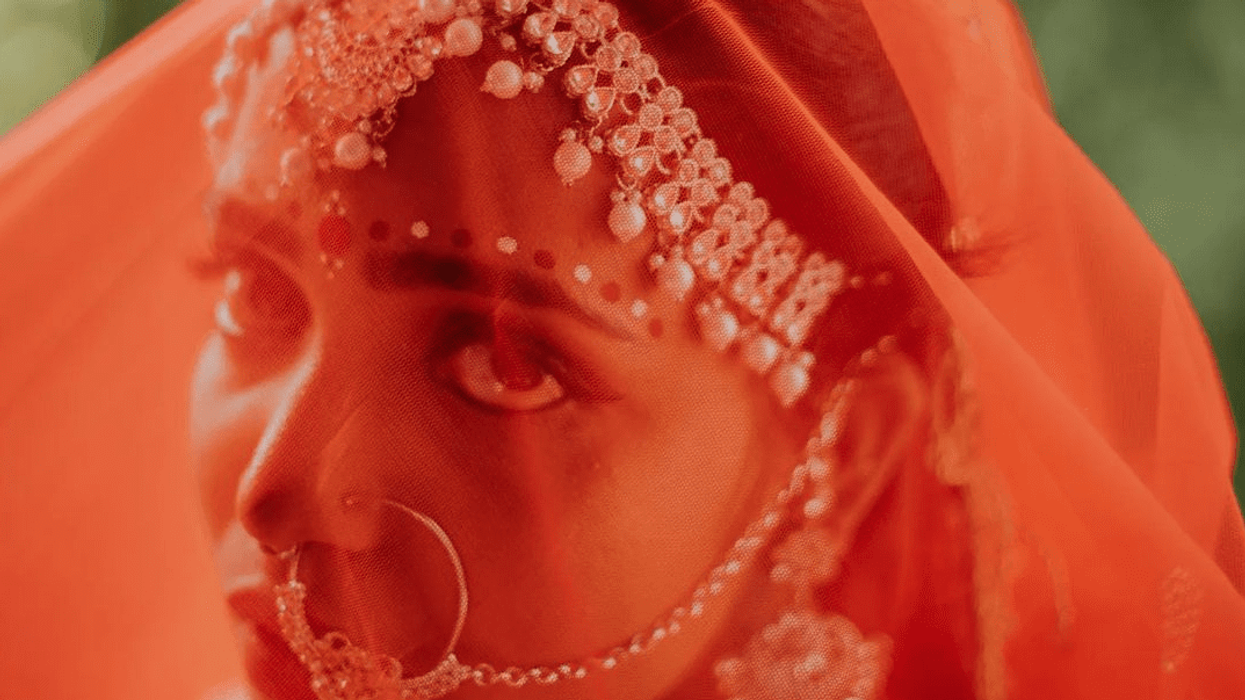

Kshama Bindu, who lives in Vadodara, Gujarat, married herself on June 8, in India’s first sologamy wedding.
The 24-year-old took to social media and shared pictures from her wedding and other ceremonies, where she is seen in the company of her family and friends.
Her posts garnered thousands of likes and comments. Social media users filled her comments section with congratulatory messages.
While the wedding was initially scheduled to take place on June 11, Bindu advanced it by two days to June 8.
She followed several rituals in what is considered to be the first recorded instance of sologamy in India.
The wedding ceremony alone went on for 40 minutes. Ms Bindu's ceremony didn't have a priest and entailed digitalised rituals that were conducted at her home in Gotri.
Speaking about her wedding, Bindu was quoted as saying, "I am very happy to finally be a married woman. Unlike other brides, I won't have to leave my home after the wedding!"
On Facebook, in a video message after the wedding, she has expressed gratitude for everyone's support and encouragement, and also for giving her "more power for what I believed in".
She was also ecstatic that so many people wanted to attend the wedding.
Bindu is currently working as a senior recruitment officer in a private company.




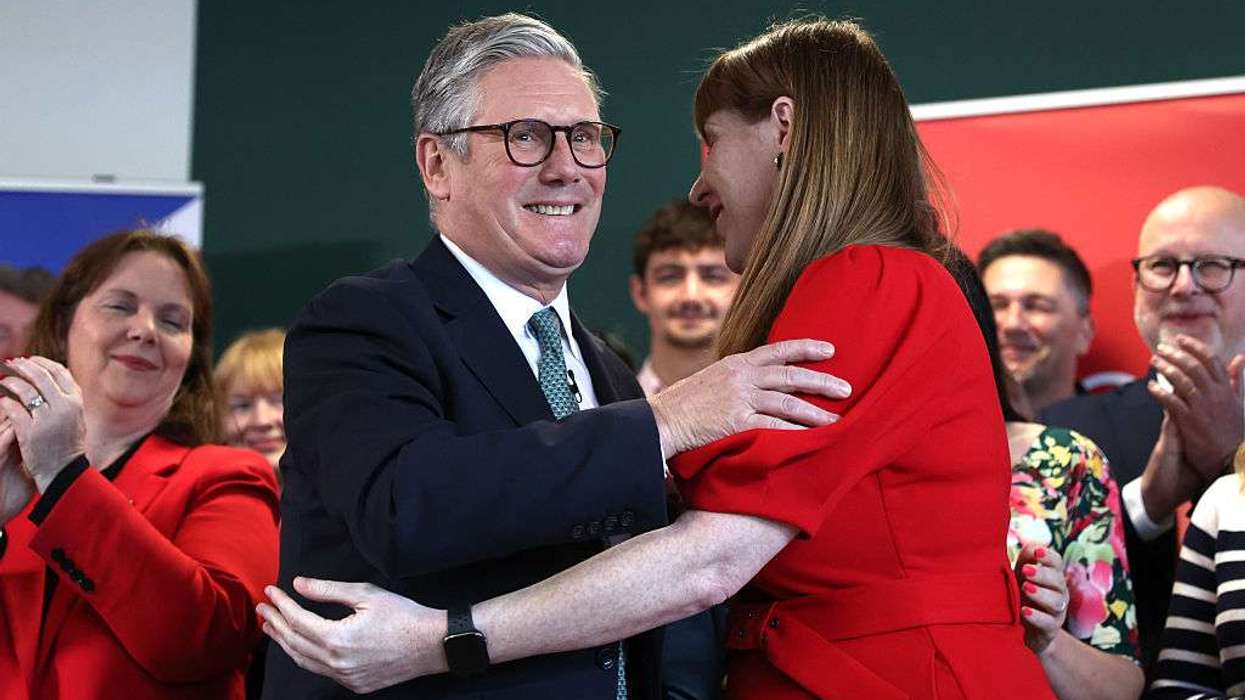 FILE PHOTO: Prime minister Keir Starmer and Angela Rayner embrace as they attend to launch the Labour Party's local election campaign at Peak Pharmacy, PCT Healthcare Ltd on April 3, 2025 in Chesterfield, England. (Photo by Cameron Smith/Getty Images)