
Families bereaved by the Grenfell Tower fire, the infected blood scandal and Covid-19 want the new government to take action after inquiry reports are published and not let them gather dust.
Grenfell residents have marked seven years since the disaster with renewed calls for justice, and some pinning hopes that the election will bring change for bereaved families and survivors.
They were joined in solidarity by those who lost loved ones in the infected blood scandal and during the Covid pandemic.
Campaigners came together to make their demand that recommendations from public inquiries must not be delayed or ignored.
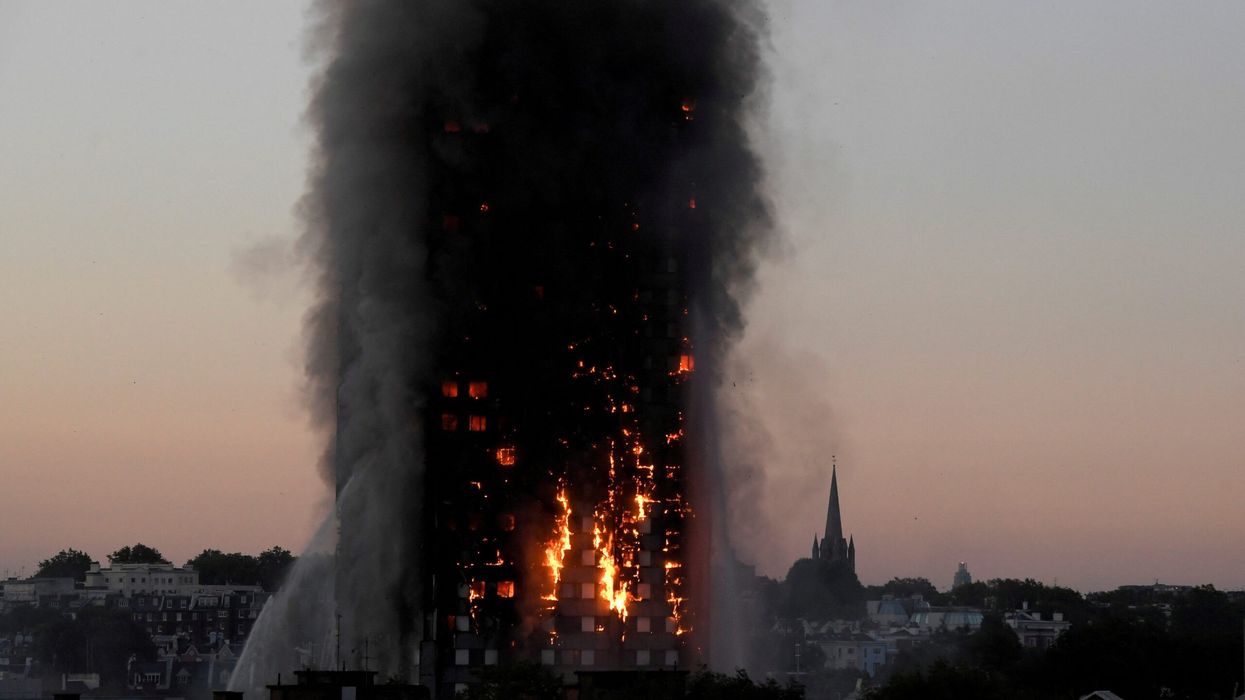
A fire ripped through the Grenfell Tower on June 14, 2017, killing 72 people. Memorial events, including a silent march, were held across north Kensington on Friday (14) to remember those who lost their lives.
The seventh anniversary of the tragedy has coincided with the election campaign, with polls predicting an end to the 14 years of Conservative rule.
North Kensington resident Wonder Ronda told The Guardian that she hoped that while voting the people will show what they think about the politicians and their empty promises.
Labour MP Dawn Butler, who laid flowers at the memorial wall, said she regularly reflects on the disaster.
She said the Labour manifesto talks about 'righting the wrongs' of many injustices including Grenfell, Windrush, the Post Office, the infected blood scandal, and Hillsborough that happened during the Conservative rule.
In 2019, the Grenfell Tower inquiry found the main cause of the rapid spread of the fire was the flammable cladding that was wrapped around the block.
The second report, due to be published later this year, will look at how the building came to be in that condition.