
- Retailers warn new employment laws could reduce flexible jobs for young workers.
- Youth unemployment in the UK is forecast to reach 5.3 per cent this year.
- Nearly one million young people are already outside education, employment or training.
Britain’s new Employment Rights Act could unintentionally make it harder for Gen Z workers to find entry-level jobs, according to warnings from the retail industry.
The British Retail Consortium (BRC), which represents the UK retail sector, says businesses may scale back hiring if the new rules increase costs and administrative burdens. Flexible roles — often the first job for younger workers — may be the first to disappear.
Retailers argue that these jobs are particularly important for students and young people gaining early work experience. However, the industry group fears the new legislation could reduce opportunities at a time when youth unemployment in the UK is already rising.
Official forecasts suggest joblessness across the country could reach 5.3 per cent this year, with youth unemployment climbing to its highest level in more than a decade.
Alan Milburn, the former health secretary leading a government review into unemployment and economic inactivity, reportedly described the situation as an “existential crisis” for the country.
Retail sector fears unintended consequences
The Employment Rights Act received royal assent in December and introduces several new protections for workers. These include the right for people on zero-hours or low-hours contracts to request guaranteed working hours, as well as new rights to statutory sick pay from the first day of employment.
The legislation also shortens the qualifying period for unfair dismissal claims and introduces measures designed to make trade union recognition easier.
Retailers say the reforms could increase compliance costs and limit the flexibility businesses rely on during busy periods.
The BRC commissioned a survey of 2,000 adults, which suggested flexible working is especially important to younger employees. Around 70 per cent of people aged 18 to 29 said flexibility was a key factor when considering a job. Among those working part-time, the number rose to nearly 75 per cent.
That compares with 52 per cent across the wider workforce.
Helen Dickinson, chief executive of the BRC, reportedly said flexible retail jobs often provide the first step into employment for many young people.
“Local, flexible jobs are important first steps into work for young people across the country,” she reportedly said, adding that these roles allow workers to earn money while balancing study or other commitments.
Dickinson warned the Labour government must ensure the reforms do not unintentionally close off those opportunities.
A growing youth employment challenge
Concerns about the legislation come at a time when youth unemployment is already under scrutiny.
Recent government estimates suggest nearly one million people aged 16 to 24 in the UK are not in education, employment or training — a group commonly described as Neets.
Retailers are also still reacting to other cost pressures, including increases to employers’ national insurance contributions and the national minimum wage announced as part of the Labour government’s first autumn budget.
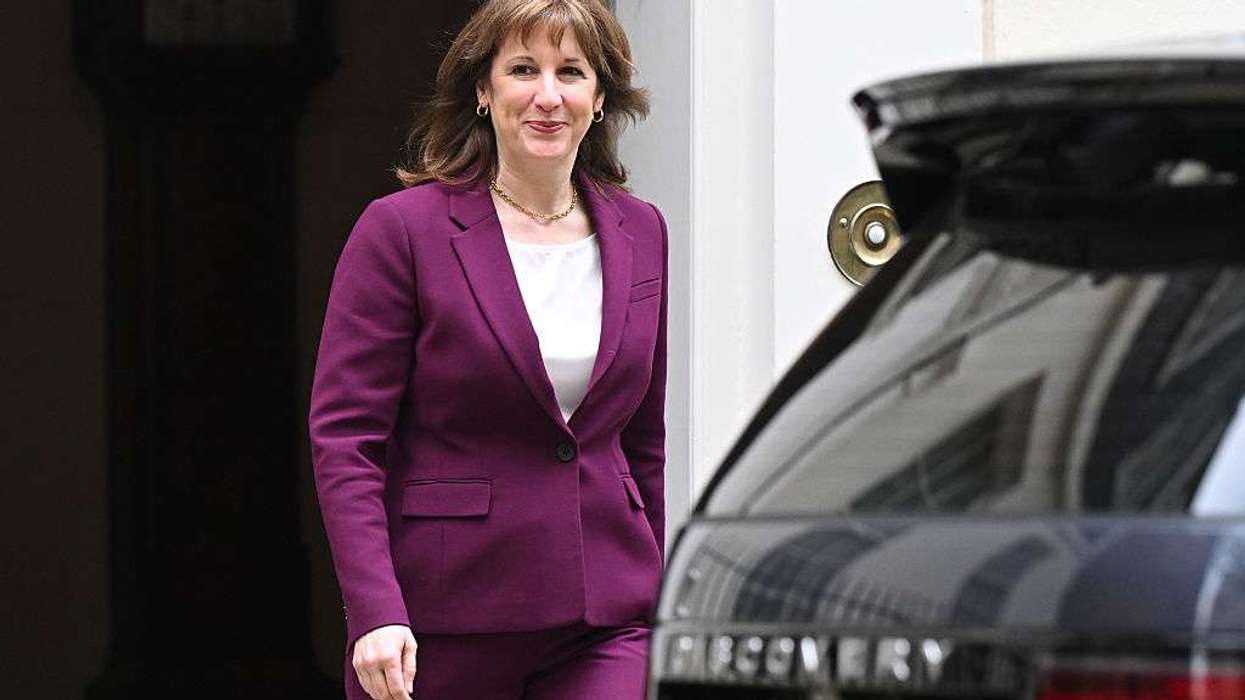
During an appearance before the Commons Treasury select committee on March 12, chancellor Rachel Reeves reportedly acknowledged there was a “valid argument” against raising national insurance contributions. However, she suggested the increase helped fund additional spending for the NHS and efforts to reduce waiting lists.
The retail sector currently employs about 780,000 workers aged 16 to 25, representing roughly 28 per cent of the industry’s workforce.
Government officials insist the reforms are designed to strengthen job security rather than limit employment opportunities.
A government spokesperson reportedly said getting more young people into work remains a priority, adding that the Employment Rights Act is expected to improve job security for more than 18 million workers across the country.
Officials also argued the reforms would not prevent businesses from offering flexible work arrangements, saying employers and employees would still be able to agree hours that suit both sides.