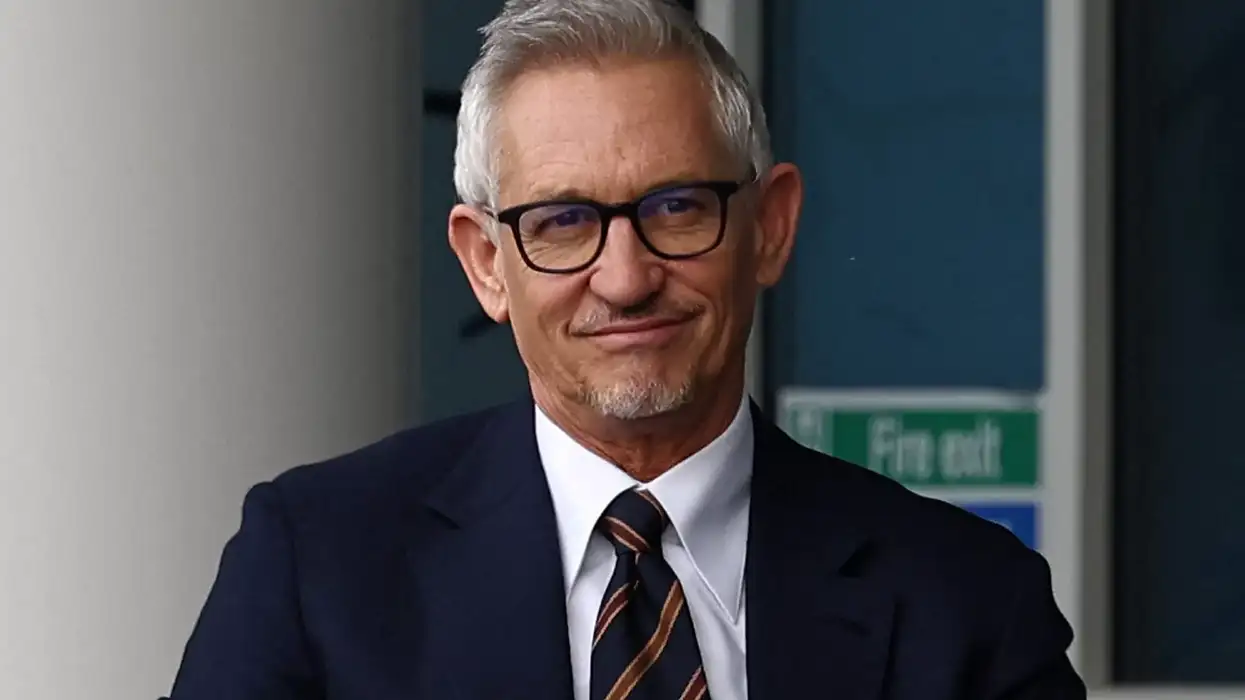

GARY Lineker will step down as the host of the BBC's flagship football highlights show, Match of the Day, at the end of the season, the broadcaster announced on Tuesday.
Lineker, who has hosted the show for 25 seasons, will conclude his run with the programme at the close of the Premier League season in May 2025.
The BBC, however, confirmed that Lineker—its highest-paid presenter with an annual salary of £1.35 million—will remain at the network. Both parties have agreed "in principle" to extend his contract through to the 2026 World Cup.
"After 25 seasons, Gary is stepping down from MOTD," said Alex Kay-Jelski, director of BBC Sport. "We want to thank him for everything he has done for the show, which continues to attract millions of viewers each week. He'll be hugely missed on the show, but we're so happy he is staying with the BBC to present live football."
Lineker, who will have hosted the show for 26 years by the time he leaves, expressed his appreciation for his ongoing association with BBC Sport. "I'm delighted to continue my long association with BBC Sport and would like to thank all those who made this happen," he said.
Greg Dyke, former BBC director-general, described Lineker as "the outstanding sports presenter of his time," though added that "life moves on, presenters don't stay forever."
Lineker, who took over as host of the programme in 1999, faced a brief suspension in March 2023 after comparing the language around a UK government asylum policy to that used in Nazi-era Germany on social media. His removal prompted several colleagues, including Alan Shearer and Ian Wright, to boycott the show in solidarity, leading to an abbreviated 20-minute episode without its usual host, pundits, and commentary. Lineker was reinstated shortly after.
Following the incident, the BBC launched an independent review of its social media guidelines, advising that high-profile presenters may share views on political issues but should avoid campaigning for specific parties or activist groups.
The former England international, who has been vocal on government policy, particularly immigration, has also hosted refugees in his home. Recently, Lineker indicated he might slow down his workload, hinting in Esquire magazine that he may turn his focus more towards his podcast business.
(With inputs from AFP)