
- A French jewellery businessman is in talks to rescue Claire’s UK after its second collapse into administration.
- The potential buyer claims his plan could keep many of the retailer’s 154 British stores open.
- Claire’s has faced repeated financial troubles amid declining high street retail.
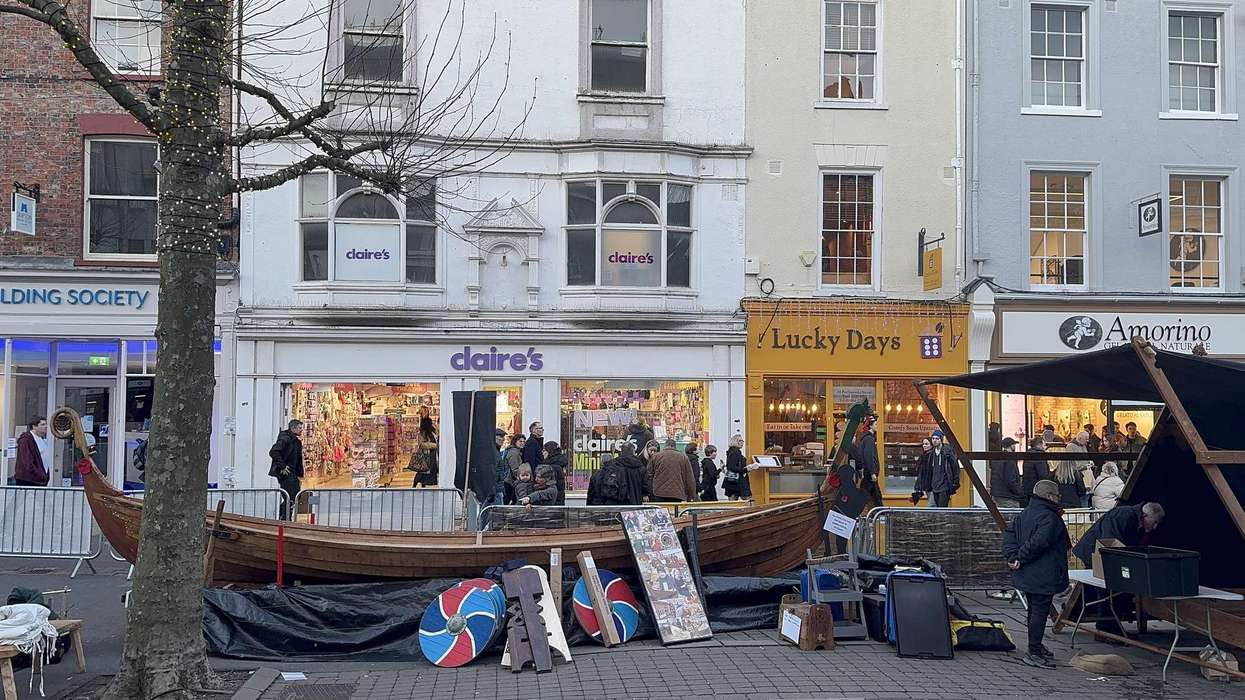
A French jewellery entrepreneur is attempting to rescue Claire’s UK, the struggling high street accessories retailer that collapsed into administration for the second time in less than a year.
Julien Jarjoura, a known figure in the British retail scene, is now in discussions with the company’s administrators and its landlords about a possible deal. If successful, the proposal could keep many of Claire’s 154 UK stores open and potentially safeguard hundreds of jobs.
Jarjoura has already taken control of several of the brand’s European businesses. Over the past year he acquired Claire’s operations in Switzerland, Austria, Spain, France and Portugal after the retailer’s US parent company entered bankruptcy proceedings. Those deals gave him control of roughly 240 stores across Europe.
Speaking about the latest discussions, Jarjoura reportedly said the brand still carries strong emotional connections for many shoppers. “Everyone has a personal experience with Claire’s,” he said, as quoted in a news report. “As an entrepreneur I could not bear the idea of letting go a business that was worth saving.”
He added that conversations with landlords in London had so far been encouraging, raising the possibility that a number of UK shops could remain open.
A brand hit by years of turbulence
The rescue talks come after a turbulent period for Claire’s, which has struggled to stay afloat amid shifting retail trends and mounting competition.
The company’s US parent entered bankruptcy last August, with then chief executive Chris Cramer blaming changing consumer habits, stronger competition and the wider shift away from traditional high street shopping.
Shortly afterwards, 156 of Claire’s 306 UK stores were sold through a pre-pack administration to private equity firm Modella Capital. The firm had previously acquired the high street arm of WH Smith and controversially rebranded it as TG Jones.
At the same time, the American business was acquired by investment firm Ames Watson for £110 million ($140 million).
But hopes of a revival under the new UK ownership faded quickly. In January, Modella placed Claire’s British operation back into administration alongside another retail chain it owned, The Original Factory Shop.
The firm blamed rising taxes and what it described as a difficult trading environment on the high street. It said neither business had “a realistic possibility of trading profitably again”, as quoted in a news report.
At the point of administration, Claire’s UK operated 154 stores and employed around 1,300 staff.
Reinventing a mall favourite
Jarjoura believes the retailer can still be revived, though he acknowledges the brand has suffered reputational damage after repeated store closures.
He has suggested that Claire’s shops across Europe — and potentially in the UK — will undergo a significant refresh. Part of that strategy includes lowering prices and simplifying promotions that many shoppers found confusing.
According to Jarjoura, prices in European stores have already been reduced by around 28 per cent, and he plans to cut prices further in the UK by roughly a third.
The businessman, who supplies jewellery and accessories to fashion brands as well as cultural institutions such as the Louvre, is also seeking to reposition the brand’s product range.
“If you go in the shops now, you’ll see some items that aren’t really aimed at young girls,” he reportedly said. The goal, he added, is to create a clearer identity for the brand and better appeal to younger customers.
Claire’s was founded in 1961 by American businessman Rowland Schaefer. Initially selling wigs, the company later shifted towards jewellery and fashion accessories aimed at teenage girls, eventually becoming a fixture in shopping centres across the US.
The brand entered the UK market in the mid-1990s and quickly became a familiar name on British high streets.
Whether Jarjoura’s latest proposal will succeed remains uncertain. But with administrators still assessing options, the future of the once-popular accessories chain may depend on whether a viable rescue plan can be agreed in the coming weeks.