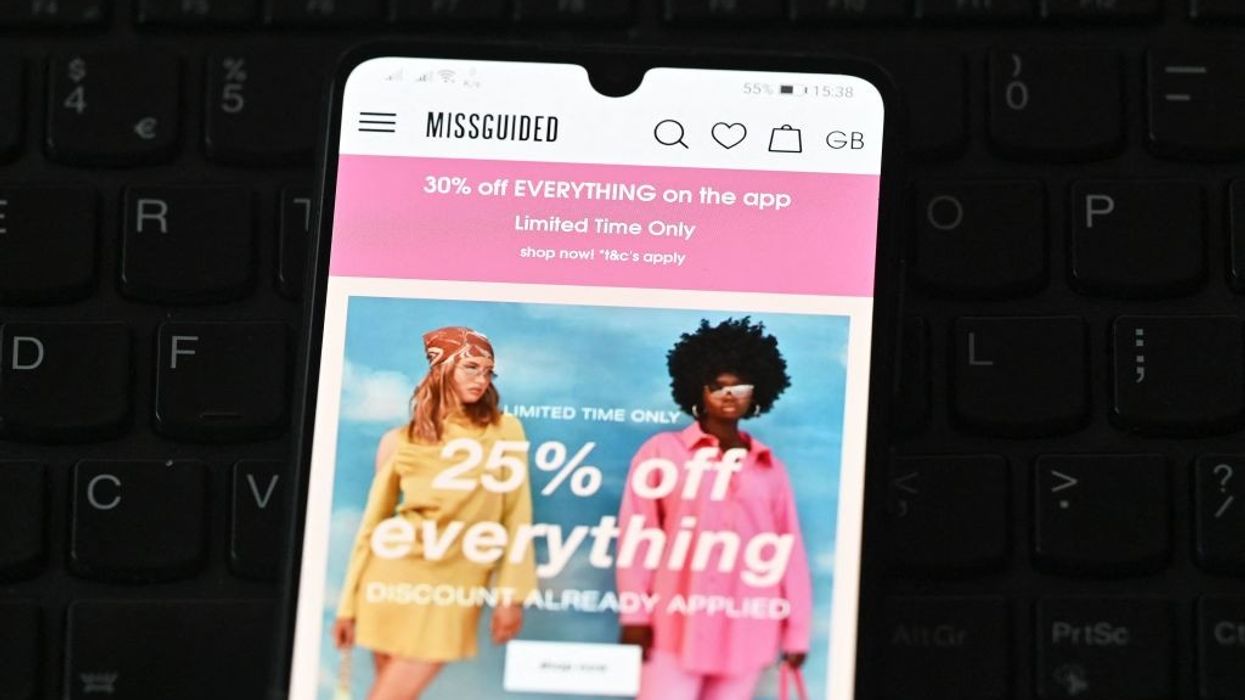
FRASERS GROUP has divested the Missguided brand to the fast fashion giant Shein more than a year after it rescued the business founded by a British Asian entrepreneur.
Shein will acquire the intellectual property rights and trademarks of Missguided, while Frasers will retain its real estate and employees that have now been integrated into the UK company’s fashion division.
Frasers, which has adopted a “disciplined approach to managing its portfolio of brands”, said the transaction could pave the way for discussions with the Singapore-based firm on potential collaboration in the future.
"With I Saw it First and Missy Empire, we now have a foothold in women's digital-first fashion. Retaining the combined Frasers fashion teams whilst rationalising our portfolio in this space to focus on fewer brands makes a lot of sense in the current climate,” Frasers chief executive Michael Murray said on Monday (30).
However, the company, formerly known as Sports Direct, did not disclose the size of its deal with Shein.
Missguided was founded by Nitin Passi in Manchester in 2009 and it grew quickly to become one of the UK’s largest fashion businesses. It forayed into the US, Australia, France and Germany before collapsing into administration in 2022 due to increasing competition, rising costs and mounting debt.
Frasers bought the brand in a £20 million deal in July last year.
Shein, founded in the Chinese city of Nanjing in 2008, has swiftly risen to prominence in the global fast-fashion marketplace, offering low-priced collections attractive to young social media-savvy customers.
The company has now moved its headquarters to Singapore but continues to have supply chains and warehouses in China.
Its cut-price merchandise and relentless expansion have also brought allegations of forced labour and human rights abuses.
In July, three independent designers in the US filed lawsuits against Shein, claiming it has "grown rich by committing individual infringements... as part of a long and continuous pattern of racketeering".
Shein’s latest deal is expected to help the company expand its presence in the UK as the Missguided brand targets young shoppers, something the retailer is looking to tap.
Frasers’ efforts to rationalise its brands comes amid its organic growth including the acquisition of a 16.5 per cent stake in the Manchester-based fashion retailer Boohoo.
Frasers Group sells Missguided to Shein
The British firm will retain the real estate and employees of Missguided