
Skip to content
Search

Latest Stories

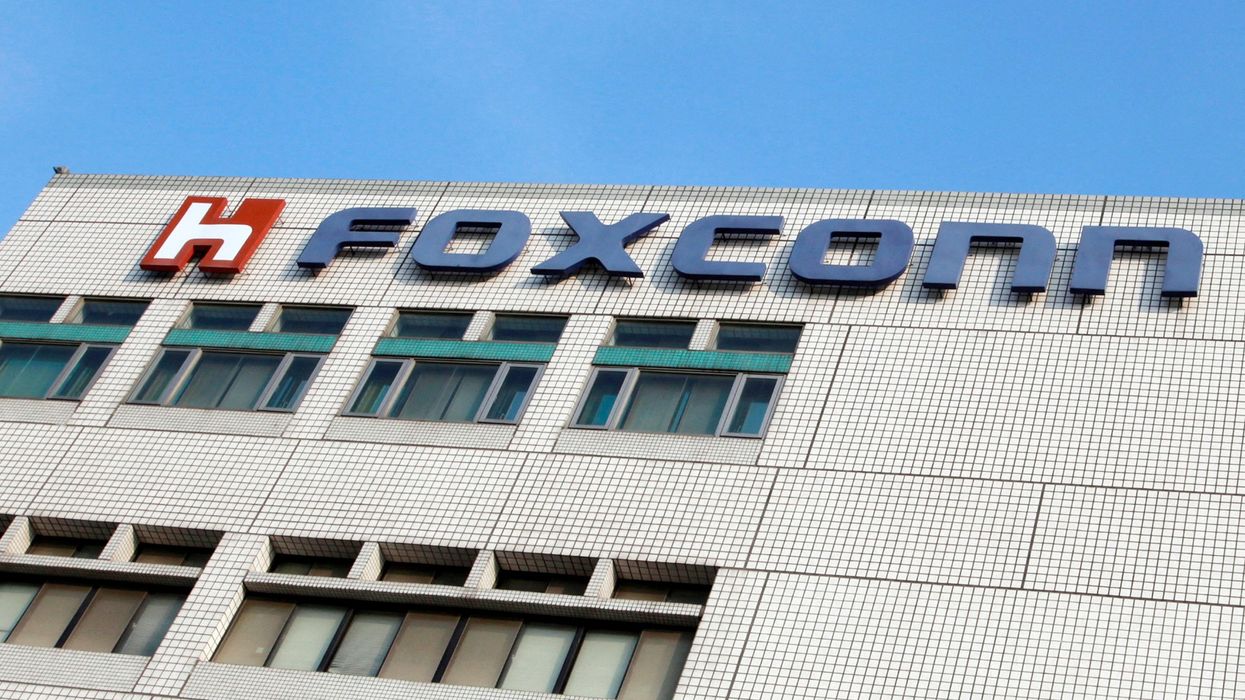
Foxconn to set up chip testing plant in India

It will partner with HCL Group to build an outsourced assembly and testing (OSAT) unit

Foxconn to set up chip testing plant in India

TAIWAN'S Foxconn will partner with tech firm HCL Group for a semiconductor assembly and testing facility in India, the companies said on Thursday (18).

The firms will set up an outsourced assembly and testing (OSAT) unit in the south Asian nation.


An OSAT plant packages, assembles and tests foundry-made silicon wafers, turning them into finished semiconductor chips.

Foxconn said in a regulatory filing that its India unit will own a 40 per cent stake in the joint venture with a $37.2 million investment. HCL did not disclose financial details from its side.

"Through this investment, the partners aim to build an ecosystem and foster supply chain resilience for the domestic industry," Foxconn said in a statement.

The companies did not disclose the location of the proposed project.

Foxconn is also looking to set up a semiconductor fabrication plant in India, where the government has offered $10 billion in incentives to start local chip manufacturing.

The Taiwanese firm, however, had a bumpy start to its semiconductor foray in India last year after a high-profile split with local conglomerate Vedanta on a $19.5bn chipmaking joint venture.

(Reuters)

More For You

Nike

The ASA noted a lack of evidence showing the products were not detrimental to the environment when their whole life cycle was considered.

Getty Images

Nike, Superdry and Lacoste face ad ban in UK over 'misleading' sustainability claims

Highlights

  • Three major fashion retailers used terms like 'sustainable' without providing evidence.
  • ASA rules environmental claims must be clear and supported by high level of substantiation.
  • Brands told to ensure future environmental claims are backed by proof.
Advertisements from Nike, Superdry and Lacoste have been banned in the UK for misleading consumers about the environmental sustainability of their products, the Advertising Standards Authority has ruled.

The watchdog found that paid-for Google advertisements run by all three retailers used terms such as "sustainable", "sustainable materials" and "sustainable style" without providing evidence to support their green claims.

Nike's advertisement, promoting tennis polo shirts, referred to "sustainable materials". The sportswear giant argued the promotion was "framed in general terms" and that consumers would understand it as referring to some, but not all, products offered.

Keep ReadingShow less