
Highlights:
- Newly restored 4K version to debut at the festival on 16 October
- Part of BFI National Archive’s ambitious Black and South Asian Workshop remasters project
- Explores 1980s London housing crisis and South Asian migrant experience
- Marks a cultural milestone for Retake Film and Video Collective, Britain’s first all-Asian film collective
The long-overlooked 1987 drama Hotel London is set for a fresh spotlight as its 4K remaster world premieres at the upcoming BFI London Film Festival. Spearheaded by the BFI National Archive, the restoration forms part of a major project honouring the groundbreaking Black and South Asian Workshop movement, which redefined British screen culture in the 1980s. The film, directed by Ahmed Alauddin Jamal, vividly portrays the harsh realities of London’s housing crisis while centring the South Asian immigrant experience.
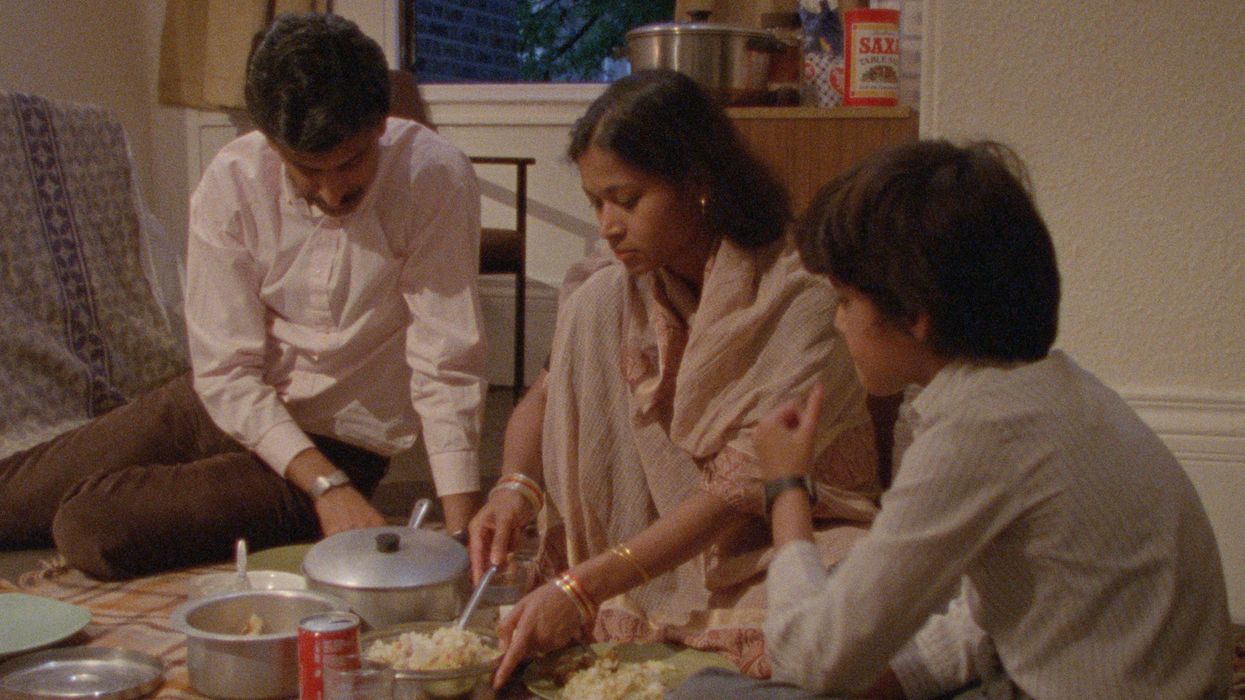
 A still from Hotel London showing the Bangladeshi family navigating life in a temporary hotel room www.easterneye.biz
What is the BFI National Archive Black and South Asian Workshop remasters project?
The BFI National Archive has launched an extensive initiative to digitally restore and preserve key works from the Black and South Asian Workshop era, which flourished in the 1980s and 1990s. These collectives, including Retake Film and Video Collective, Sankofa Film and Video Collective, Black Audio Film Collective, Ceddo Film and Video Workshop and Birmingham Film and Video Workshop, used drama, documentary and experimental forms to tell urgent stories about race, class and identity in Britain.
The workshops grew out of the 1982 ACTT Declaration and early backing from Channel 4, creating space for marginalised voices to make and distribute films collaboratively. So far, 14 titles have entered the BFI’s restoration pipeline, with Hotel London being the second to premiere at the festival, following the 4K revival of The Passion of Remembrance in 2022.
What is Hotel London about?
Hotel London was originally made in 1987 during the International Year of the Homeless. It follows a Bangladeshi family placed in temporary bed and breakfast accommodation by local authorities, exploring how they navigate bureaucratic neglect, racism and the emotional toll of housing insecurity.
Combining fictional storytelling with video activism, the film depicts the makeshift hotel as a microcosm of 1980s London, showing interactions between diverse communities in precarious situations. Actor Jonathan Pryce appears as an Irish rough sleeper drifting through the city, while dancer Alpana Sengupta and actor Aftab Sachak round out the ensemble cast. The production was shot inside an actual bed and breakfast after extensive research with homeless residents.
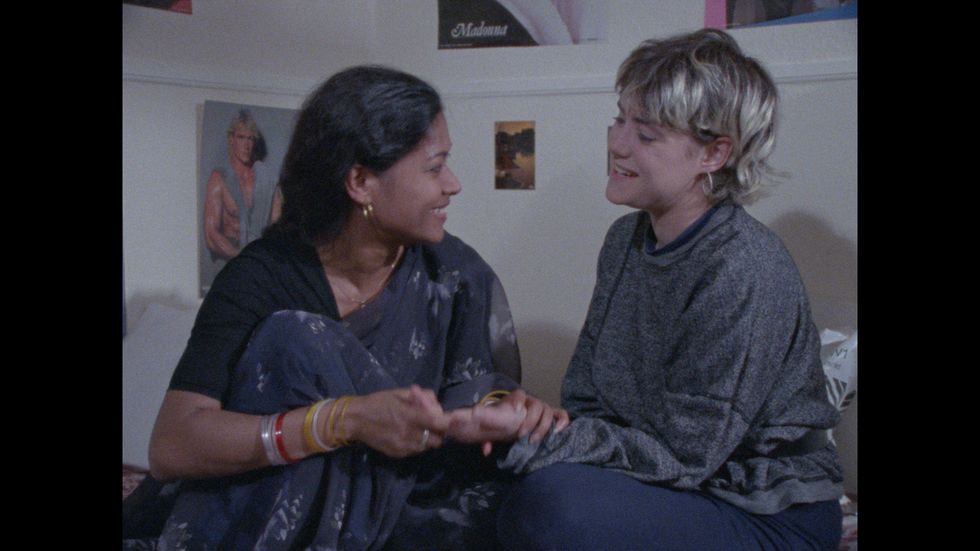 ‘Hotel London’ 4K remaster premieres at BFI London Film Festival spotlighting Black and South Asian Workshop legacy
Why is Hotel London’s restoration significant?
The 4K remaster of Hotel London is a major step in reclaiming and preserving Britain’s Black and South Asian film heritage. The original 16mm negatives were scanned and restored by Silver Salt Restoration, with sound remastered by the BFI National Archive.
This revival not only protects the film’s legacy but also reintroduces contemporary audiences to the ethos of the Retake collective, which was Britain’s first all-Asian film group. Retake championed democratic collaboration, training emerging filmmakers and challenging the invisibility of South Asians on British screens. Their efforts earned them the Arthur Young BFI Award for Independent Film and Television in 1988.
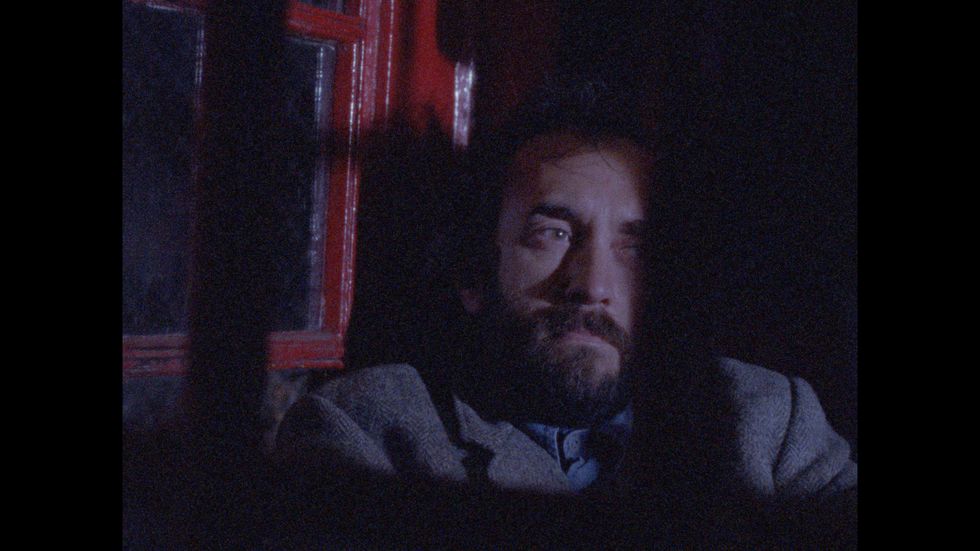 ‘Hotel London’ resurfaces in 4K after decades to confront Britain’s housing injustice and lost South Asian screen history
How did the Black and South Asian Workshops change British film?
The Workshops emerged amid 1980s social unrest, when media representation of Black and Asian communities was minimal and often stereotypical. Their issue-driven films disrupted this narrative, inspiring a generation of creatives including John Akomfrah, Maureen Blackwood, Isaac Julien, Menelik Shabazz and D. Elmina Davis.
By offering paid training roles, access to equipment and editorial control, the Workshops opened doors for diverse talent to tell authentic stories. Their influence continues to shape British screen culture, making the BFI’s remastering effort both a cultural and archival milestone.