
BRITAIN'S competition watchdog on Thursday (3) fined five drugs firms and private equity groups more than £35 million for impeding competition in the supply of some anti-nausea pills to the NHS.
The firms, which include Alliance Pharma and private-equity group Cinven, paid a competitor to cancel the launch of a rival prochlorperazine product, Competition and Markets Authority (CMA) said.
That led to a 700 per cent surge — from £6.49 per pack of 50 tablets to £51.68 — between 2013 and 2017 in the price that the NHS was forced to pay for the drug, which is used to treat nausea, dizziness and migraines, it added.
“The size of the fines reflects the seriousness of this breach… We will not hesitate to take action like this against any businesses that collude at the expense of the NHS,” CMA chief executive Andrea Coscelli said.
Between 2014 and 2018, the annual NHS costs for prochlorperazine increased from around 2.7 million pounds to roughly 7.5 million pounds while the number of packs dispensed to it fell, the CMA said.
Thursday’s fine comprised 7.9 million pounds for Alliance, 7.3 million for Lexon, 4.6 million for Medreich and 15.5 million between Advanz and Cinven.
In separate statements, Alliance and Advanz both said they would appeal. The other companies did not immediately respond to request for comment.
Last July the CMA fined more than 10 drug firms a record £260 million for overcharging the NHS for a steroid whose prices jumped 10,000 per cent in under eight years.





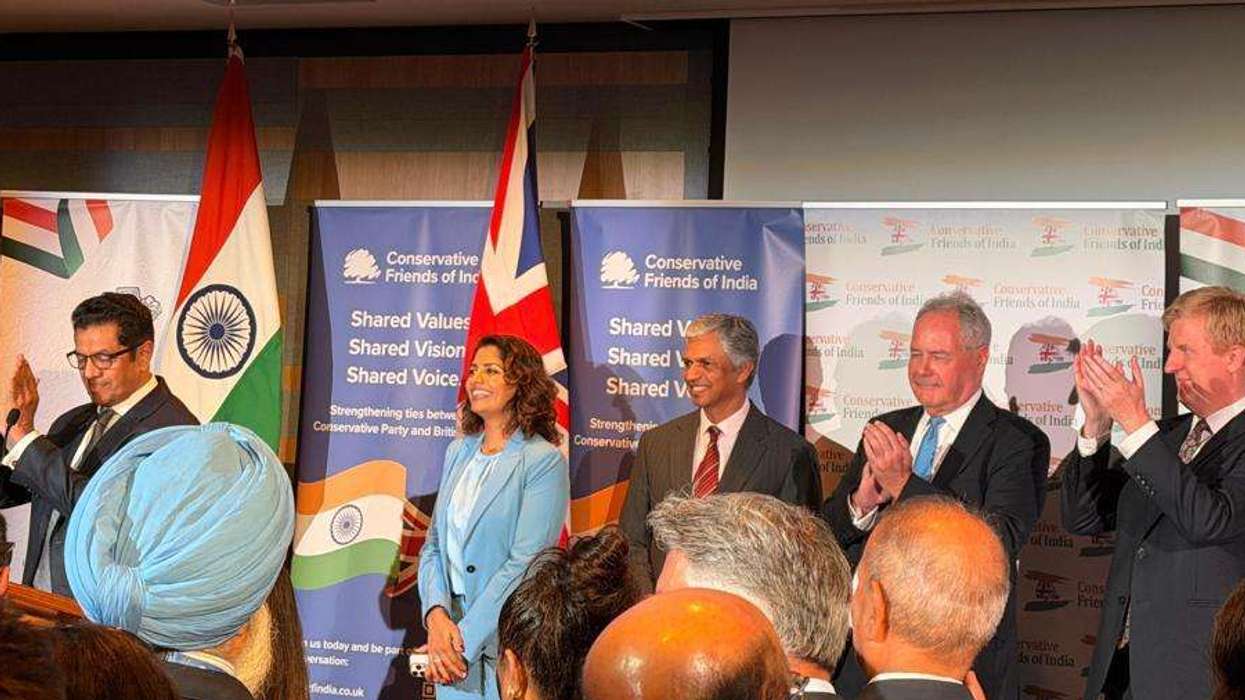
 CFIndia co-chair Dr Koolesh Shah CFIndia
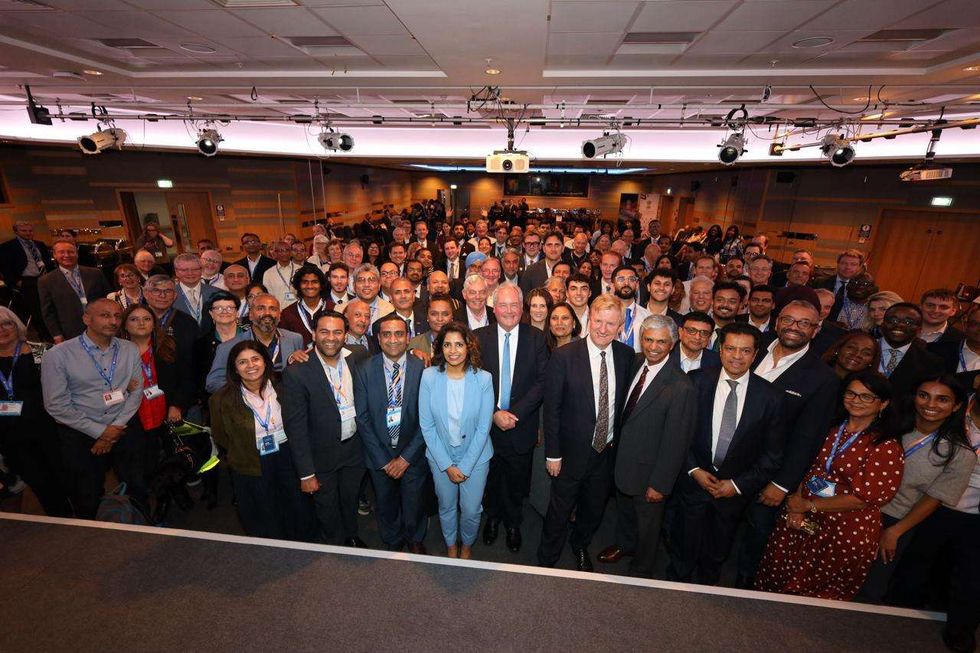 Nearly 500 attended the Conservative Friends of India event.CFIndia
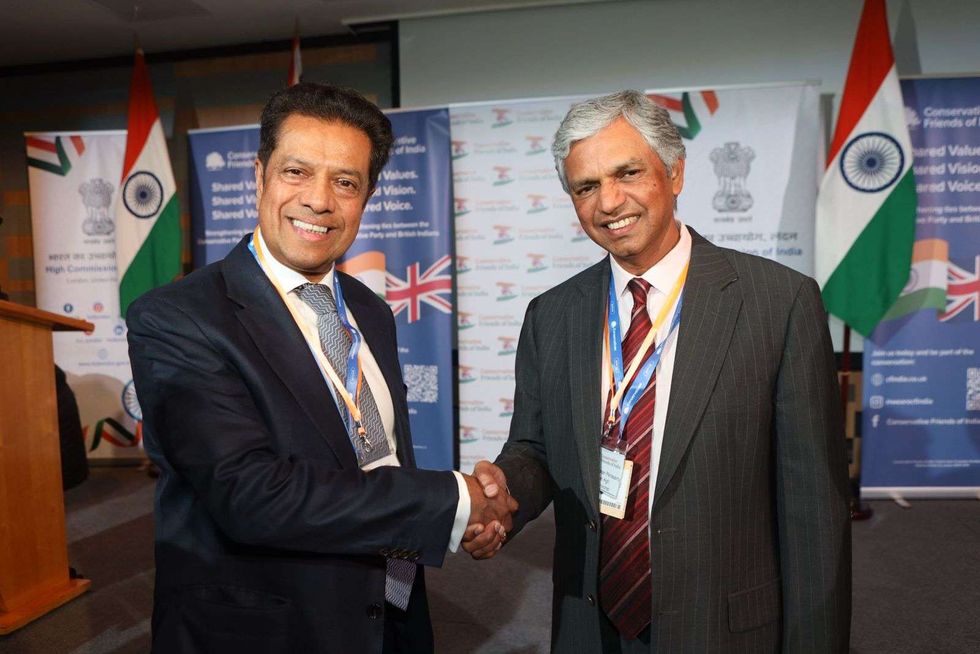 CFIndia co-chair Dr Koolesh Shah with Indian High Commissioner to the UK Kumaran PeriasamyCFIndia