
ENGLAND on Wednesday (4) launched a national cancer plan aimed at ensuring three in four patients diagnosed from 2035 onwards will be cancer-free or living well five years after diagnosis.
The plan, unveiled on World Cancer Day, commits to saving 320,000 more lives over its lifetime and requires the NHS to meet all cancer waiting time standards by March 2029. Every cancer patient will also receive a personalised support plan.
Currently, 60 per cent of patients survive for five years or more after diagnosis, with around 2.4 million people living after a cancer diagnosis in England.
The NHS has not met its central target - that 85 per cent of patients start treatment within 62 days of referral - since 2014. Survival rates for some cancers in England are below those in Romania and Poland.
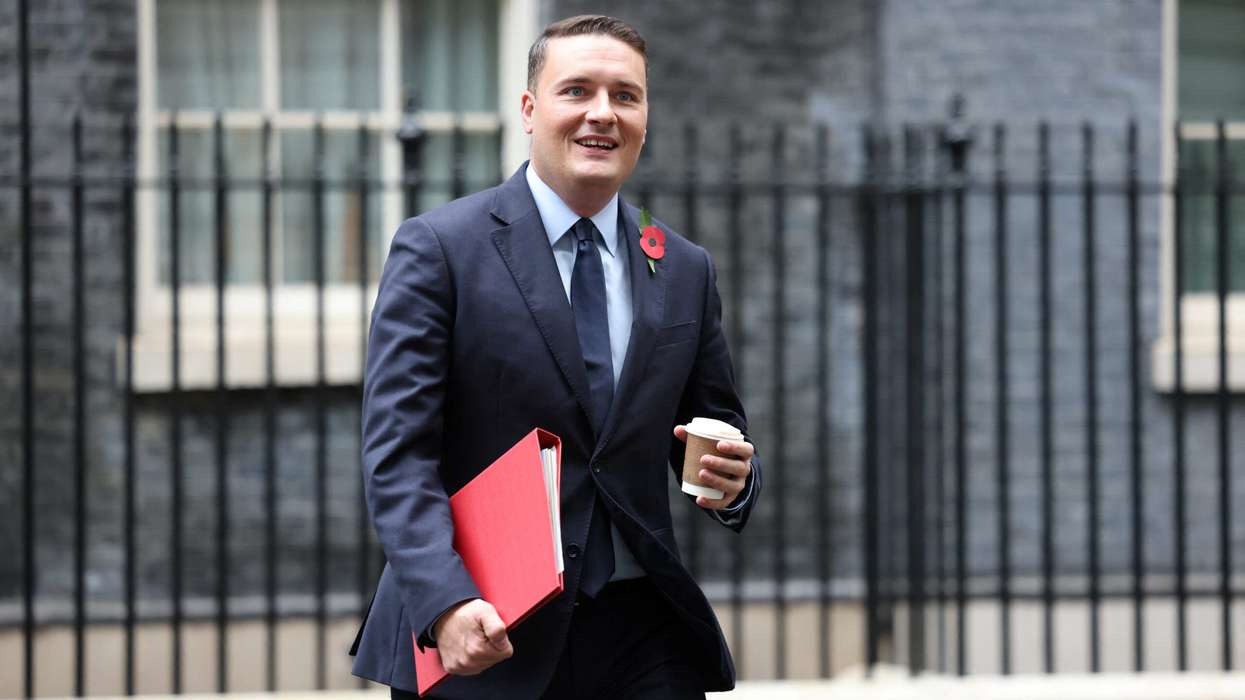
"Cancer is more likely to be a death sentence in Britain than other countries around the world," said health secretary Wes Streeting, a cancer survivor.
"As a cancer survivor who owes my life to the NHS, I owe it to future patients to make sure they receive the same outstanding care I did. This plan will slash waits, invest in cutting-edge technology, and give every patient the best possible chance of beating cancer."
The new target represents the fastest rate of improvement in cancer outcomes this century, the government said.
Professor Peter Johnson, NHS national clinical director for cancer, said the plan sets a clear roadmap to diagnose more cancers earlier and ensure more patients are treated on time.
"This is alongside delivering the latest breakthroughs in cancer treatment and care to every corner of the country, improving access to pioneering trials and ensuring there is wraparound support for people closer to home," Johnson said.
The plan includes £2.3 billion for diagnostics to deliver 9.5 million additional tests by 2029. Investment will go towards more scanners, digital technology and automated testing. Where possible, community diagnostic centres will operate 12 hours a day, seven days a week, bringing testing closer to where people live.
Robot-assisted procedures will increase from 70,000 to 500,000 by 2035, the government said. The procedures, ranging from hip replacements to heart surgery and cancer operations, are expected to reduce complications and free up hospital beds.
More patients with rarer cancers will have their care reviewed and treated at specialist cancer centres, where surgeons, oncologists, specialist nurses and radiologists work together to agree the best treatment plan for each case.
Every patient who could benefit will be offered genomic testing that analyses the DNA of their cancer. This helps doctors understand the exact type of cancer and choose treatments most likely to work.
The government is also developing new technology to give patients better access to tests by offering them the earliest available appointment from a range of NHS organisations in their local area.
Michelle Mitchell, chief executive of Cancer Research UK, said the publication of the plan represents a significant commitment by the government.
"Across England, too many cancer patients are waiting too long to start treatment, so it's important that the UK Government has committed to meeting cancer waiting time targets by 2029," Mitchell said.
Gemma Peters, chief executive at Macmillan Cancer Support, said people living with cancer often report their care has not been good enough, from long waits for tests and treatment to being left without support once treatment ends.
"This Plan has the potential to transform care for people living with cancer, ensuring people not only live longer but live better with their diagnosis," Peters said.
Since July last year, the NHS has diagnosed or ruled out cancer on time for 213,000 extra cases. One hundred and seventy community diagnostic centres are now open, with over 100 available at evenings and weekends.